Syrian Authorities Halt Return of Australian Women, Children Linked to Islamic State
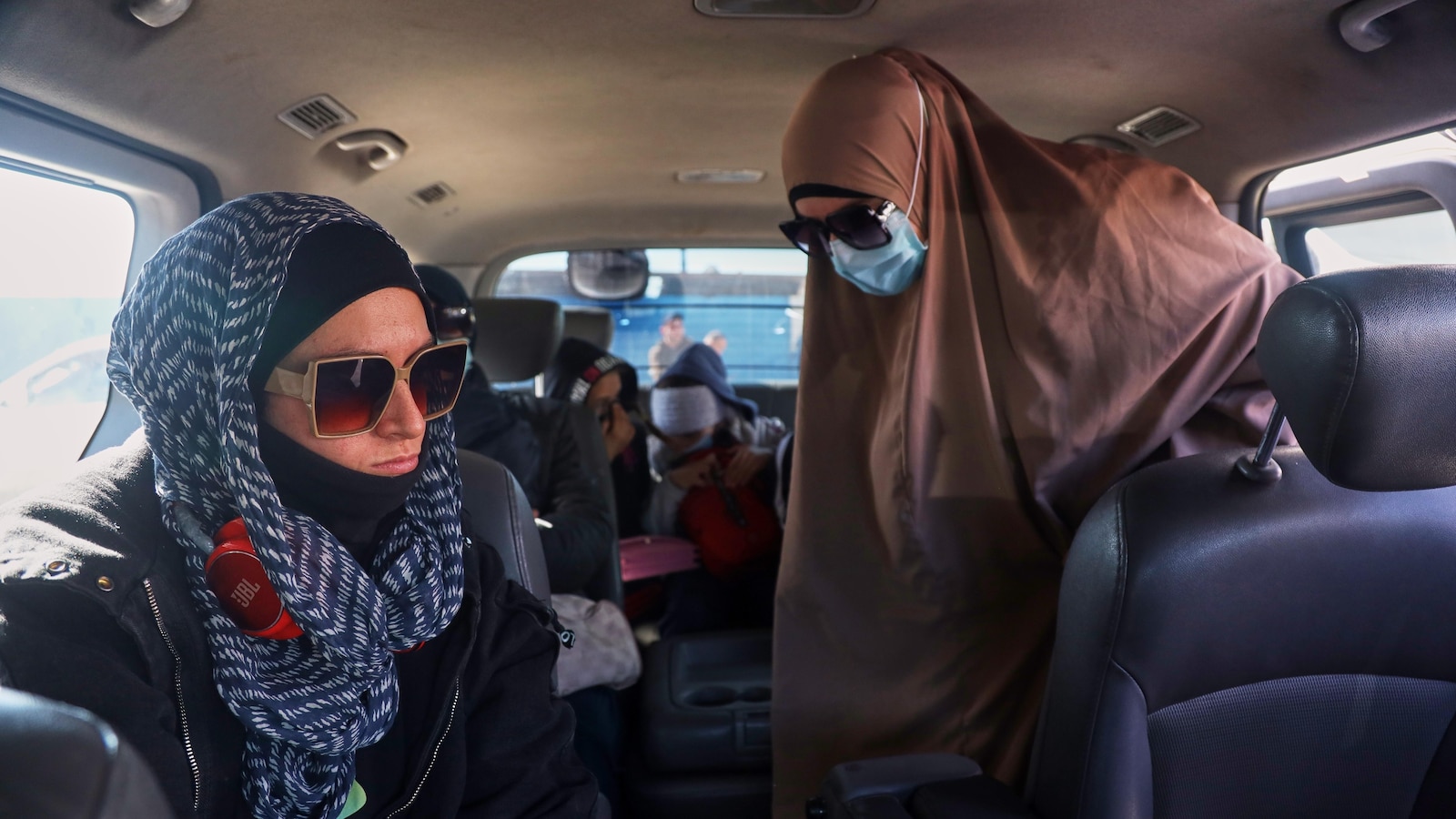
ROJ CAMP, Syria – A group of 34 Australian women and children, allegedly linked to Islamic State militants, were turned back by Syrian authorities Monday as they attempted to return home, highlighting the ongoing complexities surrounding the fate of foreign nationals and their families held in camps in northeastern Syria.
The families, comprised of 11 families, had travelled from Roj camp to the Syrian capital, Damascus, anticipating onward flights to Australia. Relatives in Australia had coordinated the effort and accompanied the group to the camp, according to camp officials. However, approximately an hour after departing Roj camp, officials in Damascus informed them that the necessary departure procedures were not yet complete, forcing the families to return.
“They were told the paperwork wasn’t finalized,” said Rashid Omar, an administrator at Roj camp. “They had to come back.”
The planned repatriation was organized by family members, not directly by Australian authorities, according to Hakmiyeh Ibrahim, the camp’s director. Australian officials have yet to comment on the situation.
Roj camp currently houses approximately 2,200 people from around 50 countries, primarily women and children with alleged ties to IS. While most residents are not formally prisoners or accused of crimes, they remain effectively detained within the heavily guarded camp, which is controlled by the Kurdish-led Syrian Democratic Forces (SDF).
The incident underscores the international dilemma of what to do with individuals and families who travelled to Syria and Iraq to support or join IS, particularly as the extremist group’s territorial control has collapsed. Many countries have been hesitant to repatriate their citizens, citing security concerns and legal complexities.
This attempted repatriation would have been the first of its kind this year. Last year, 16 families – including German, British, and French nationals – were repatriated. In 2022, three Australian families were successfully returned.
The situation in northeastern Syria is further complicated by recent shifts in control. Government forces took control of the larger al-Hol camp last month following clashes with the SDF, resulting in the Syrian government seizing much of the territory previously controlled by Kurdish forces. The U.N. refugee agency reported Sunday that a significant number of al-Hol residents have left, with the Syrian government planning to relocate those who remain.
The fate of those remaining in camps like Roj and al-Hol is a growing humanitarian concern. Human rights groups have documented poor living conditions and pervasive violence within the camps. The camps represent a significant security challenge, and the lack of clear repatriation plans raises questions about long-term stability in the region.
The case of Shamima Begum, a British national who remains a well-known resident of Roj camp, exemplifies the legal and ethical challenges surrounding citizenship and repatriation. Begum, who travelled to Syria in 2015 at age 15 to marry an IS fighter, recently lost her appeal against the British government’s decision to revoke her citizenship.
Separately, the U.S. military has transferred thousands of alleged IS militants held in detention centers in northeastern Syria to Iraq to stand trial, further shifting the landscape of accountability for IS fighters.
Pour aller plus loin