Denmark Votes Amidst Lingering Shadow of Trump’s Greenland Bid
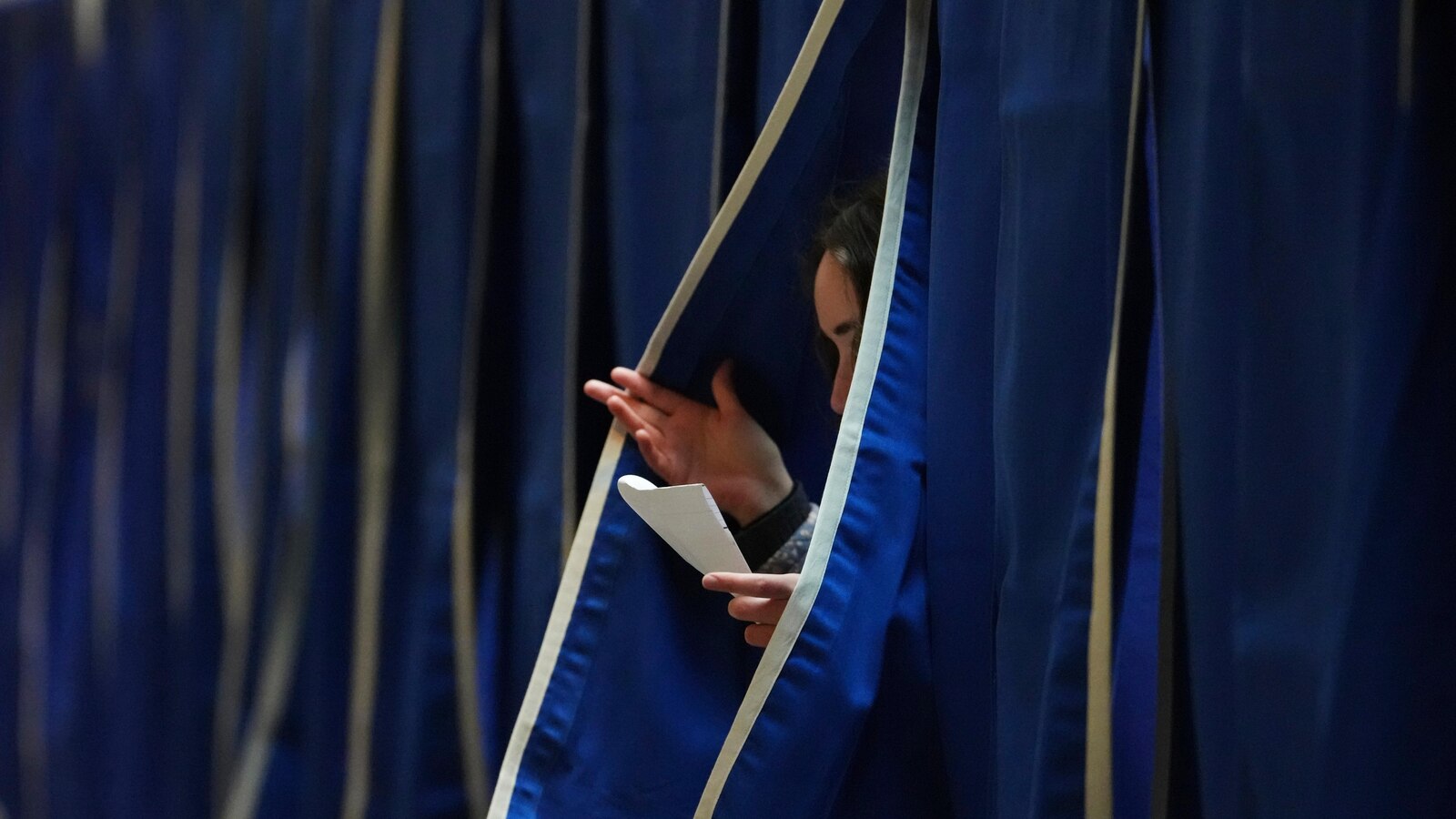
COPENHAGEN, Denmark – Danes are casting their ballots Tuesday in a general election, with Prime Minister Mette Frederiksen seeking a third term after a political landscape reshaped by a surprising international challenge: former U.S. President Donald Trump’s pursuit of Greenland.
More than 4.3 million eligible voters are participating in the election for Denmark’s 179-seat parliament, the Folketing. While the immediate crisis over Greenland has subsided, the episode appears to have unexpectedly bolstered Frederiksen’s standing with voters. She called the election in February, anticipating that her firm stance against Trump’s proposals would resonate with the electorate.
Frederiksen’s center-left Social Democrats have traditionally focused on domestic issues, but the Greenland situation thrust her onto the international stage. She warned in January that a U.S. takeover of Greenland would represent “the end of NATO,” highlighting the strategic importance of the semiautonomous territory.
The situation de-escalated after Trump backed down from threats of tariffs and technical talks began between the U.S., Denmark, and Greenland regarding Arctic security. However, the episode underscored a growing sense of global uncertainty, a theme echoed by Foreign Minister Lars Løkke Rasmussen after voting Tuesday. “This is basically about Denmark preparing itself to a world which is absolutely more uncertain than we were used to in the past,” he said.
Beyond the Greenland issue, the election is being fought on domestic concerns. The rising cost of living, pensions, and a potential wealth tax have been central campaign themes. Frederiksen, known for her strong support of Ukraine and a restrictive approach to immigration, has recently proposed stricter asylum controls and plans to deport foreign nationals sentenced to at least one year in prison for serious crimes.
Two main challengers are vying to unseat Frederiksen. Defense Minister Troels Lund Poulsen, representing the Liberal party, and Alex Vanopslagh, leader of the Liberal Alliance, are both seeking the premiership. Vanopslagh’s campaign has been somewhat hampered by a recent admission of past cocaine use. Further to the right, the anti-immigration Danish People’s Party is hoping for a resurgence after a weak showing in the 2022 election.
Denmark’s proportional representation system makes coalition governments the norm. No single party is expected to win a majority, and weeks of negotiations will likely follow the vote. Frederiksen’s current three-party administration was unique in spanning the traditional political divide, and it remains to be seen whether a similar arrangement will emerge. The centrist Moderate party, led by Rasmussen, could play a key role in forming the next government.
As voter Peter Mortensen told the Associated Press after casting his ballot, many Danes are looking for leadership that can navigate an increasingly complex world. “What are we supposed to do in this world with war and our neighbors and perhaps our allies are threatening us instead of being allies?” he asked.
Reporting contributed by Jan M. Olsen, Associated Press.