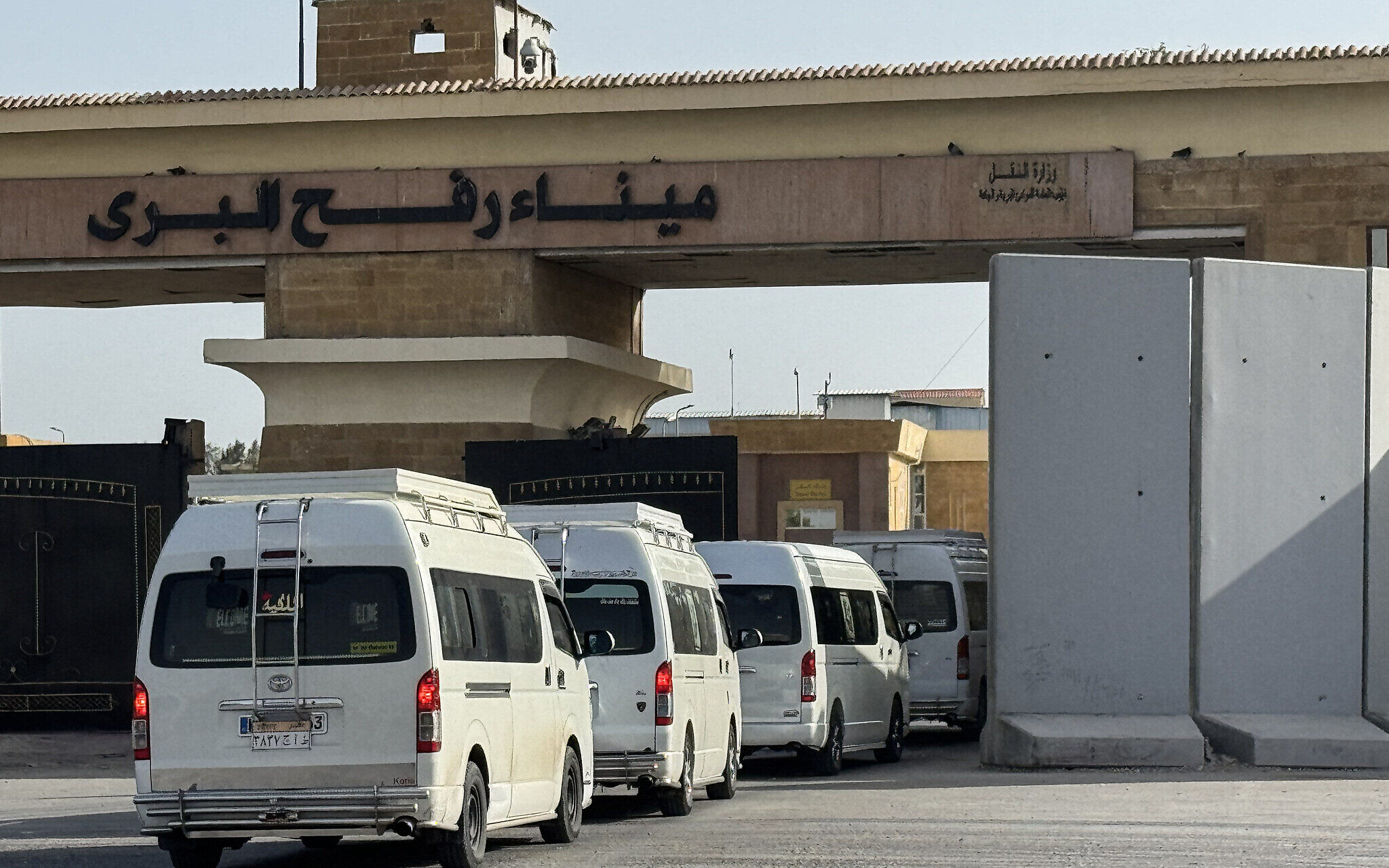
Rafah Crossing Reopens, Offering Glimmer of Hope for Gaza’s Wounded
Rafah, Egypt – The Rafah crossing between Gaza and Egypt reopened Thursday, offering a crucial lifeline for Palestinians needing medical treatment after a nearly three-week closure. The reopening comes amid ongoing conflict and heightened tensions following the recent escalation with Iran.
Israel had closed the crossing on February 28, citing safety concerns as hostilities with Iran began. The Rafah crossing is the sole land passage between Gaza and the outside world, making its closure particularly devastating for those requiring urgent medical care.
The first group to benefit from the reopening consisted of wounded Palestinians, eight of whom, along with 17 family members, were transported to Egypt for treatment, coordinated by the World Health Organization and the Palestinian Red Crescent. Footage circulating on Arabic media showed ambulances prepared to receive patients exiting the Gaza Strip.
Among those crossing was 63-year-old Kamal Musa, who was taking his 17-year-old daughter to receive treatment for a spinal cord injury sustained in an Israeli bombing last May that also killed two of his sons. “We have been waiting for this moment for eight months,” Musa told London-based Alquds Alarabi.
The reopening follows negotiations between Hamas officials and envoys from the US-backed Board of Peace in Cairo, according to sources cited by Reuters. The talks aimed to safeguard the fragile ceasefire currently in place. Israel’s Coordinator of Government Activities in the Territories stated the decision to reopen was made following a new risk assessment, while maintaining “necessary security restrictions.”
While the crossing has resumed operations, limitations remain. Prior to the closure, an Egyptian-Israeli agreement restricted the flow of people, allowing a maximum of 50 Gazans to exit daily and 50 medical patients, accompanied by two family members, to enter. February saw 1,075 outbound and 859 returning Gazans, according to Hamas’s media affairs office, figures generally lower due to logistical challenges.
It remains unclear how many people will be permitted to enter Gaza through the crossing. Some Palestinian sources report that 21 Gazans who had been stranded on the Egyptian side since February 27 are expected to return.
The Rafah crossing had briefly reopened in early February following a ceasefire between Israel and Hamas and the return of deceased hostages. However, the recent closure underscored the fragility of access for Gaza’s population.
The Israel Defense Forces reported Thursday that a strike in Khan Younis killed Muhammed Abu Shahla, a Hamas intelligence officer accused of involvement in planning the October 7, 2023, attack on southern Israel.
À lire aussi