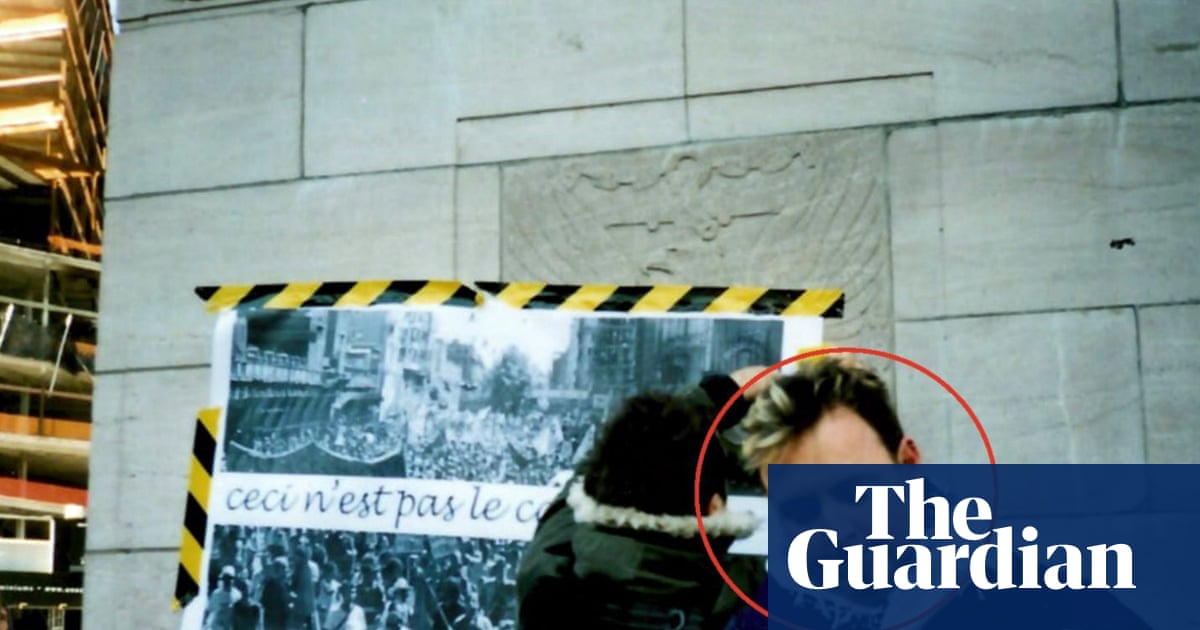
Undercover British Police Officer Exposed by Accidental Recording, Inquiry Hears
LONDON (AP) – A British undercover police officer’s covert operation was compromised by a self-inflicted blunder reminiscent of the fictional Inspector Clouseau, a public inquiry has revealed. The officer, known only as Simon Wellings, inadvertently recorded himself discussing activists with fellow officers, leading to his exposure and expulsion from a left-wing anti-capitalist group.
The incident, which occurred in 2004 while infiltrating Globalise Resistance, has sparked renewed scrutiny of the decades-long practices of Britain’s “spycops” – undercover officers deployed to monitor political activists. The inquiry is examining the conduct of approximately 139 officers who spied on tens of thousands of individuals, primarily on the left of the political spectrum, over more than four decades.
Wellings, while attending a secret meeting with Special Branch officers, mistakenly dialed the phone number of an activist while attempting to locate it on his phone. The call connected to her voicemail, capturing a conversation where he was asked to identify campaigners from photographs. Activists from Globalise Resistance later recognized his voice on the recording.
“It was reminiscent of Inspector Clouseau,” said Guy Taylor, the group’s national organizer, referencing the famously inept detective.
Following his expulsion, internal police documents show that authorities debated whether to allow the group to continue functioning or to launch a “destructive operation.” Wellings, questioned last week, stated he was unsure what a “destructive operation” would entail or if it would even be lawful.
During his deployment between 2001 and 2007, Wellings submitted around 4,000 surveillance reports detailing the personal and political lives of activists, including information on their finances, housing, and relationships. Campaigners have accused him of routinely exaggerating the level of violence at protests and fabricating information in his reports, claims he denies.
Wellings maintained he did his best to accurately report his observations. He also revealed that a significant factor in his decision to join the covert unit was the opportunity for substantial overtime pay.
The inquiry continues, with further evidence expected to be heard regarding the internal memo discussing a “destructive operation.” The case highlights ongoing concerns about the extent and impact of undercover policing on political freedoms and the privacy of citizens. The revelations come after previous reports detailed surveillance of the family of Jean Charles de Menezes, who was shot and killed by police in 2005.
Pour aller plus loin