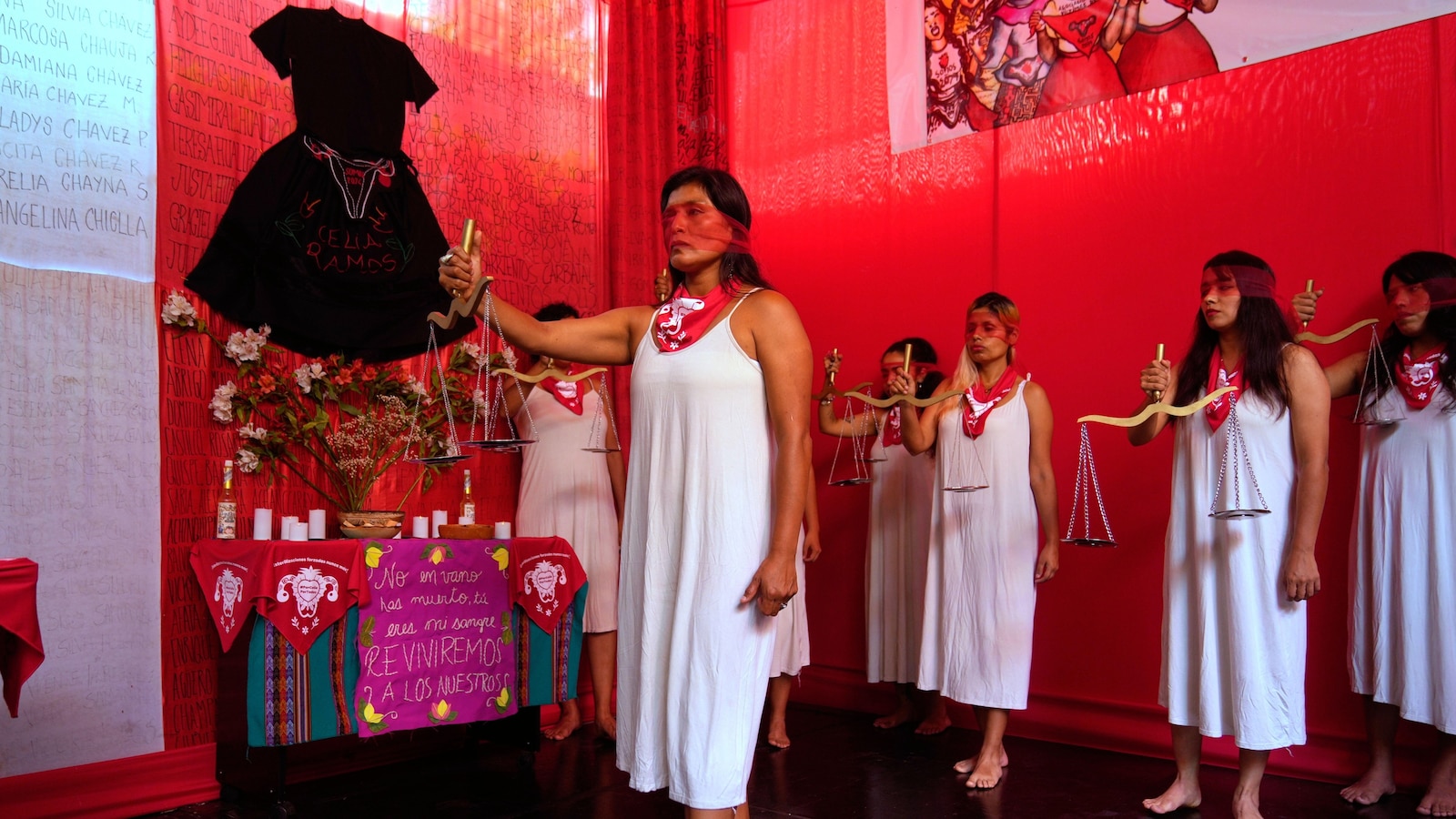
LIMA, Peru (AP) — The Inter-American Court of Human Rights has ordered Peru to pay reparations to the family of Celia Ramos, a mother of three who died in 1997 following a coerced tubal ligation performed under negligent conditions as part of a widespread forced sterilization program. The landmark ruling, issued Thursday, marks the first such judgment by Latin America’s highest tribunal concerning the practice in Peru.
Ramos, 34 at the time of her death, sought care at a state health center in her Andean village. Instead, she was subjected to a tubal ligation without her full consent. The court detailed how the procedure was carried out with inadequate equipment and a lack of necessary medication to treat potential complications.
Following the surgery, Ramos suffered a severe allergic reaction. Crucially, she wasn’t moved to intensive care for another half-hour, and ultimately died 19 days later on July 22, 1997. The state failed to conduct a proper autopsy and offered the family no explanation for her rapid decline, according to the court.
Peru will now pay approximately $340,000 to the Ramos family, covering medical expenses related to the attempt to save her life and compensating for lost income.
The ruling comes amidst renewed scrutiny of the forced sterilization program, which disproportionately targeted impoverished and Indigenous women during the administration of the late Alberto Fujimori. In August 2024, a Peruvian court overturned a criminal indictment against Fujimori in the case, but proceedings were revisited following his death later that year. Investigations are now focused on the potential criminal responsibility of other former high-ranking officials, including past health ministers.
The Inter-American Court’s decision underscores the lasting impact of the program and the need for accountability for those responsible. The case highlights a dark chapter in Peru’s recent history, where reproductive rights were violated on a systemic scale.
Pour aller plus loin