Middle East on the Brink as US-Israeli Strikes Prompt Iranian Retaliation
UNITED NATIONS – The Middle East teeters on the edge of a wider conflict following coordinated military strikes by the United States and Israel against Iran, and subsequent retaliatory attacks by Tehran, prompting urgent calls for de-escalation from the United Nations. UN Secretary-General António Guterres delivered a forceful condemnation Saturday, warning of a potentially “catastrophic” war.
The strikes, which reportedly targeted locations inside Iran, including areas near Tehran, mark a dramatic escalation in hostilities between Washington, Tel Aviv, and Tehran. Iranian state media reported civilian casualties, though independent verification remains ongoing. Within hours, Iran launched missile attacks targeting Israeli territory and US military installations across the region.
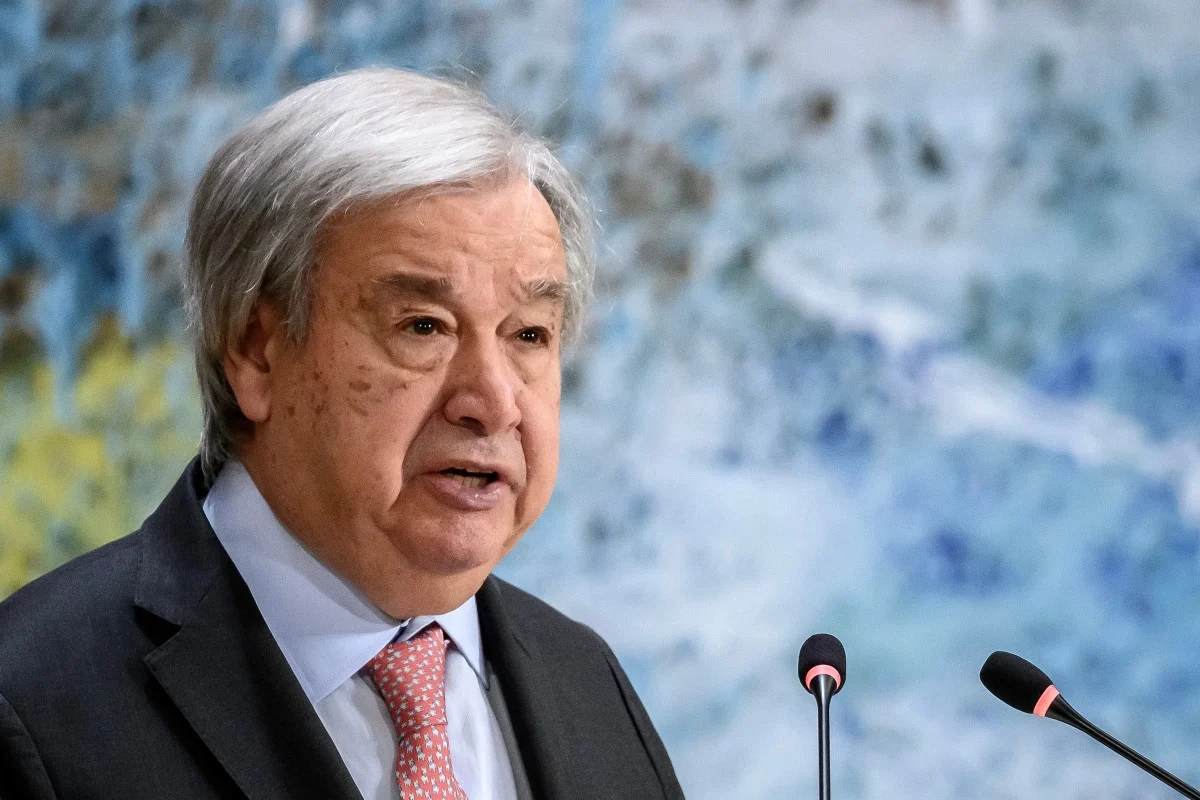
“I condemn today’s military escalation in the Middle East,” Guterres stated in a message posted on X (formerly Twitter). “The use of force by the United States & Israel against Iran, and the subsequent retaliation by Iran across the region, undermine international peace & security.”
Regional governments were placed on high alert as projectiles crossed airspace in several countries, activating air defense systems in Gulf states. Iraq’s Nujaba Movement has already declared support for Tehran, warning against further Western military action.
Guterres also condemned violations of sovereignty and territorial integrity involving Bahrain, Iraq, Jordan, Kuwait, Qatar, Saudi Arabia, and the United Arab Emirates, highlighting the fragility of the region’s security architecture.
The escalation has sent shockwaves through global markets, with energy prices climbing amid fears of disruption to critical shipping lanes and oil infrastructure, particularly the Strait of Hormuz. Financial markets reacted with uncertainty, reflecting concerns about a prolonged regional crisis.
Diplomatic efforts are underway, with backchannel communications reportedly in progress to prevent further military exchanges. However, trust between the principal actors remains deeply eroded.
“Military action carries the risk of igniting a chain of events that no one can control in the most volatile region of the world,” Guterres told diplomats at UN headquarters in New York. He emphasized that dialogue remains the only sustainable path forward, reiterating the UN’s long-standing position that military escalation in the Middle East rarely remains contained.
The situation is further complicated by claims of targeting Iranian leadership, echoing recent reports. Military analysts caution that miscalculation poses the greatest danger in the densely militarized environment, where even limited strikes could trigger unintended escalation.
The coming days are considered decisive. Additional strikes or expanded targeting could entrench the crisis, while even limited diplomatic breakthroughs could prevent further deterioration. US and Israeli forces remain on high alert, and Iranian officials have signaled continued retaliation if attacks persist.
Guterres urged all sides to step back from further confrontation. “The choice before us is stark: deepen the spiral of confrontation or recommit to diplomacy before the region crosses a threshold from which return may be impossible,” he warned.
À lire aussi