Ukraine’s Drone Warfare Expertise in Demand as Global Concerns Rise
KYIV, Ukraine (AP) – As the war in Ukraine grinds into its fifth year, a surprising development is emerging: Kyiv’s hard-won expertise in countering Iranian-designed drones is becoming a sought-after commodity globally, particularly in the Middle East. The shift reflects a growing international recognition of Ukraine’s battlefield innovation and a desperate need for effective, cost-efficient air defense solutions.
The operational tempo on the Ukrainian battlefield moderated slightly last week, with roughly 100 to 150 combat engagements reported daily, down from over 200 in recent weeks, according to Ukrainian reporting. Despite this slight decrease, intense fighting persists along key sectors including Kupiansk, Lyman, Kramatorsk, and Huliaipole. Russian forces continue to initiate most assaults, though Ukrainian forces maintain localized tactical advantages preventing major breakthroughs.
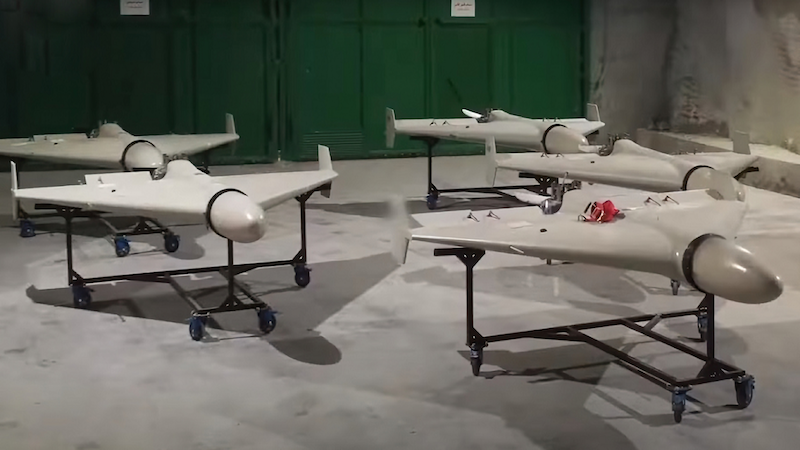
However, the most significant development isn’t necessarily the static front lines, but rather Ukraine’s burgeoning role as a provider of counter-drone technology and training. Eleven countries in the Middle East have reportedly approached Ukraine for assistance in combating Iranian drone operations, as operations like Epic Fury and Roaring Lion continue in the region.
“Years of sustained Shahed attacks have effectively turned the Ukrainian theater into a real-world laboratory for counter-drone tactics,” explained Can Kasapoğlu, a nonresident senior fellow at Hudson Institute.
Ukraine has developed a layered defense against one-way attack drones, combining electronic warfare, mobile air-defense teams, and rapid adaptation to evolving threats. In February 2026 alone, over 5,000 Shahed loitering munitions targeted Ukraine, with an 87% interception rate.
This success has spurred the development and export of low-cost counter-drone solutions. The “Sky Fortress” system, an acoustic detection network, is one example. It uses ground sensors to triangulate the sound of incoming drones, providing early warning and targeting data to air-defense units – a cheaper alternative to relying solely on radar.
Ukrainian industry, often in partnership with volunteer entrepreneurs, is also producing interceptor drones. Groups like Wild Hornets have achieved interception rates of 80 to 100% with their STING munition, offering a cost-effective defense against Shahed drones.
The Kingdom of Saudi Arabia is already taking steps to secure Ukrainian technology, with a contract signed for interceptor missiles and negotiations underway for a larger weapons package. This move comes amid rising Iranian drone and missile threats across the Gulf region. Ukrainian President Volodymyr Zelenskyy highlighted international interest in Ukraine’s expertise, noting advances in interceptor drones, electronic warfare, and specialized training in a recent post on X.
Zelenskyy also revealed that, at the request of the United States, Ukraine dispatched interceptor drones and a team of specialists to help protect U.S. military facilities in Jordan.
The Hudson Institute report indicates that Kyiv is willing to share its expertise, provided it doesn’t compromise its own wartime defensive needs. This willingness to cooperate underscores the strategic leverage Ukraine is gaining from its experience on the front lines.
Looking Ahead:
The coming weeks will be crucial for observing the development of defense-industrial ties between Ukraine and its Gulf Arab partners. Increased use of air- and missile-defense interceptors by the U.S. and its allies to counter Iranian threats could also impact Ukraine’s own inventory of these vital assets.
Source: Hudson Institute – Ukraine Military Situation Report, March 11, 2026.
À ne pas manquer