Trump Signals Winding Down of Middle East Military Efforts, Rejects Ceasefire with Iran
WASHINGTON (AP) — President Donald Trump on Friday indicated the United States is nearing its objectives in the Middle East and firmly opposed calls for a ceasefire in the ongoing conflict with Iran. His statements came as the U.S. continues to deploy additional military resources to the region.
“We are getting very close to meeting our objectives,” Trump posted on Truth Social, adding that the U.S. is considering “winding down” its military efforts against what he termed the “Terrorist Regime of Iran.”
The president outlined a series of goals, including degrading Iran’s missile capabilities, dismantling its defense industrial base, preventing it from achieving nuclear capability, and protecting key Middle Eastern allies such as Israel, Saudi Arabia, Qatar, the United Arab Emirates, Bahrain, and Kuwait. He also stated the U.S. should no longer be responsible for securing the Strait of Hormuz, suggesting other nations reliant on the waterway should assume that role, though the U.S. would assist if needed.
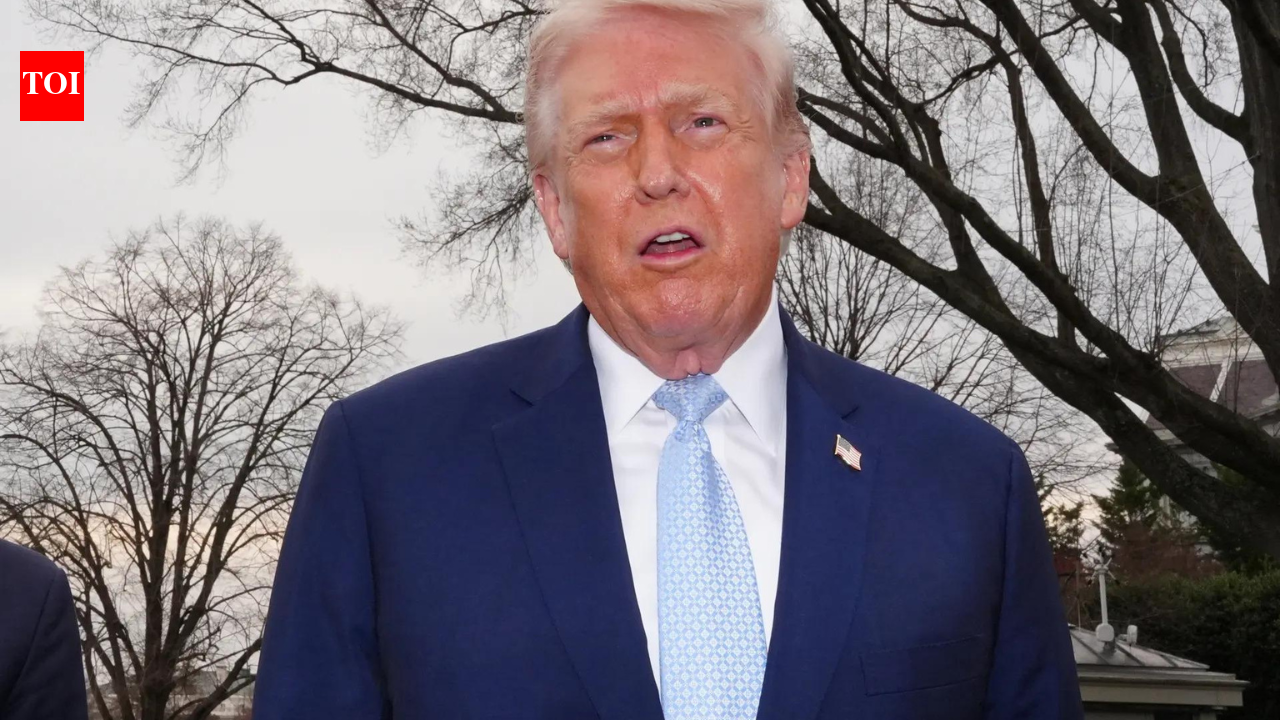
Speaking to reporters at the White House alongside Senator Marco Rubio, Trump dismissed the possibility of a ceasefire. “I don’t want to do a ceasefire. You know you don’t do a ceasefire when you’re literally obliterating the other side,” he said, adding, “I think we have won.”
The administration’s stance comes amid escalating tensions and recent reports of wide-scale strikes against Iranian government infrastructure. The deployment of additional Marines to the Middle East signals a potential expansion of military options, though officials have stated that ground troops are not currently planned for deployment into Iran.
The conflict has raised concerns about regional stability and global energy markets. The Strait of Hormuz, a critical waterway for oil transport, remains a focal point of potential disruption. The U.S. has long maintained a military presence in the region to ensure freedom of navigation and protect its allies.
Trump’s comments regarding a potential withdrawal of U.S. forces from the region and a shift in responsibility for securing the Strait of Hormuz could signal a significant change in U.S. foreign policy in the Middle East. The situation remains fluid, and further developments are expected in the coming days.
Sur le même sujet