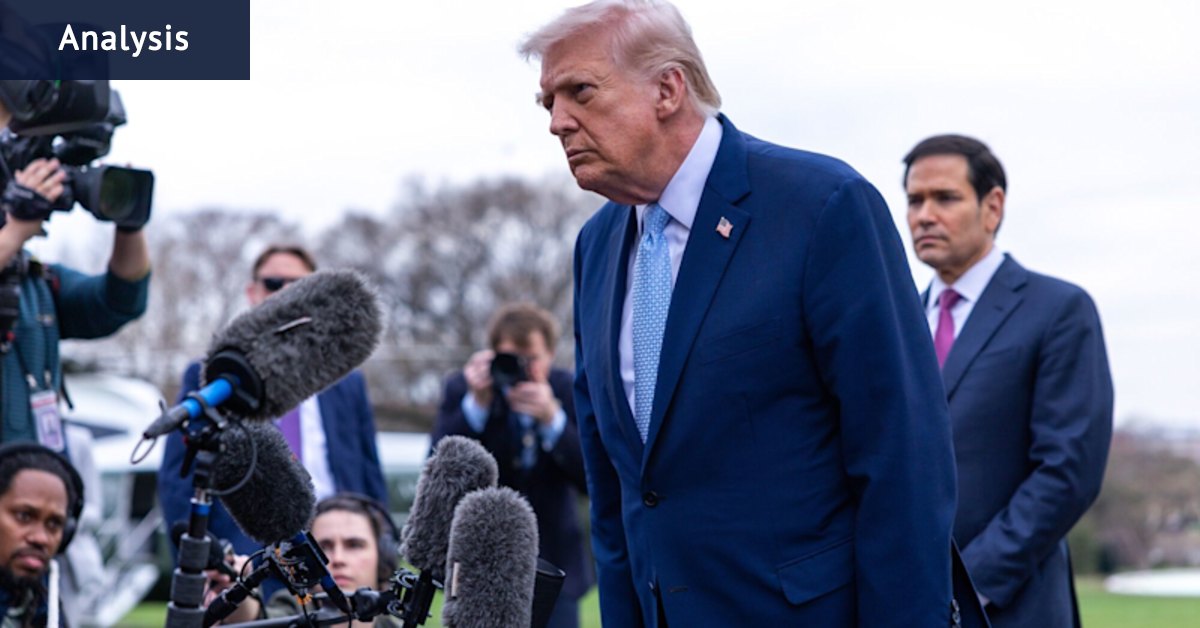
Trump signals wavering exit strategy as Iran conflict enters third week
WASHINGTON (AP) — Three weeks into a military escalation with Iran, U.S. President Donald Trump is sending mixed signals about a potential exit strategy, oscillating between declarations of near-victory and renewed threats. The shifting messaging comes as the conflict’s repercussions – soaring energy prices, strained alliances, and a destabilized region – become increasingly apparent.
On Friday evening, as he departed for Florida, Trump suggested the U.S. was close to achieving its objectives and considering a “winding down” of military efforts. However, he simultaneously warned of “obliterating” Iran’s power plants should the Strait of Hormuz remain closed, a threat that raised alarm bells given the potential for environmental disaster.
“We are getting very close to meeting our objectives,” Trump posted on his social media site, a sentiment that contrasted with earlier boasts of imminent Iranian capitulation.
The president’s evolving goals have drawn criticism from observers who question whether the administration entered the conflict with a clear strategy. While Trump’s supporters praise his “strategic ambiguity,” the inconsistency is fueling concerns among allies and analysts.
The situation is further complicated by a series of unintended consequences. The average U.S. gasoline price is nearing $4 a gallon, and infrastructure across the Persian Gulf has suffered damage. The U.S. has even resorted to issuing licenses for the delivery of Russian and Iranian oil to stabilize global markets, a move that appears to benefit adversaries.
“Think of it as the new Trump Doctrine for the Middle East,” wrote Richard Haass, former president of the Council on Foreign Relations, on social media. “We broke it, but you own it.”
Trump’s demand that other nations “police” the Strait of Hormuz, without offering U.S. assistance, has also raised eyebrows. The move signals a potential shift in U.S. commitment to regional security and places a burden on allies already grappling with the fallout from the conflict.
The administration initially expected a swift resolution, with Trump demanding Iran’s “unconditional surrender.” However, Iran has shown no signs of collapse, and the Revolutionary Guard remains in power.
Despite previous calls for the complete removal of Iran’s nuclear material, Trump now suggests a new goal: preventing Iran from ever achieving nuclear capability. This revised objective mirrors the situation prior to a U.S. operation in June that dismantled much of Iran’s nuclear infrastructure, which remains under surveillance.
The conflict’s trajectory remains uncertain, and military historians are likely to dissect the events for years to come. While Trump may have achieved quick victories in the past, the situation in Iran presents a far more complex challenge.
À lire aussi