Russian Poets Jailed for Reading Anti-War Verse Designated Prisoners of Conscience
Moscow – Three Russian poets – Artyom Kamardin, Yegor Shtovba, and Nikolai Dayneko – have been declared prisoners of conscience by Amnesty International, highlighting a growing crackdown on dissent in Russia following its invasion of Ukraine. The poets were imprisoned in 2022 after publicly reading their work, which criticized the war.
The case stems from a September 25, 2022, event where the three men read poetry in front of a monument to Vladimir Mayakovsky in Moscow’s Mayakovskaya Square. Shortly after, they were detained and accused of inciting hatred and enmity, initially under Article 282(2)(a) of the Russian Criminal Code. The charges were later modified to “incitement of hatred done as an organized group” (Article 282(2)(v)), and further expanded to include “public calls to actions directed against the state security” (Article 280.4(3)).
“What crime have these men committed? Reading poetry in public cannot threaten national security, nor did their poems express prohibited forms of hatred or contain calls to violence. Quite the opposite – the messaging was anti-violence and anti-Russia’s war of aggression,” said Marie Struthers, Amnesty International’s Eastern Europe and Central Asia Director. “Their imprisonment is nothing but retaliation for daring to express their views.”
Nikolai Dayneko received a four-year sentence in May 2023 after entering a guilty plea. Artyom Kamardin and Yegor Shtovba were sentenced in December 2023 to seven and five-and-a-half years in prison, respectively, with their appeals subsequently rejected.
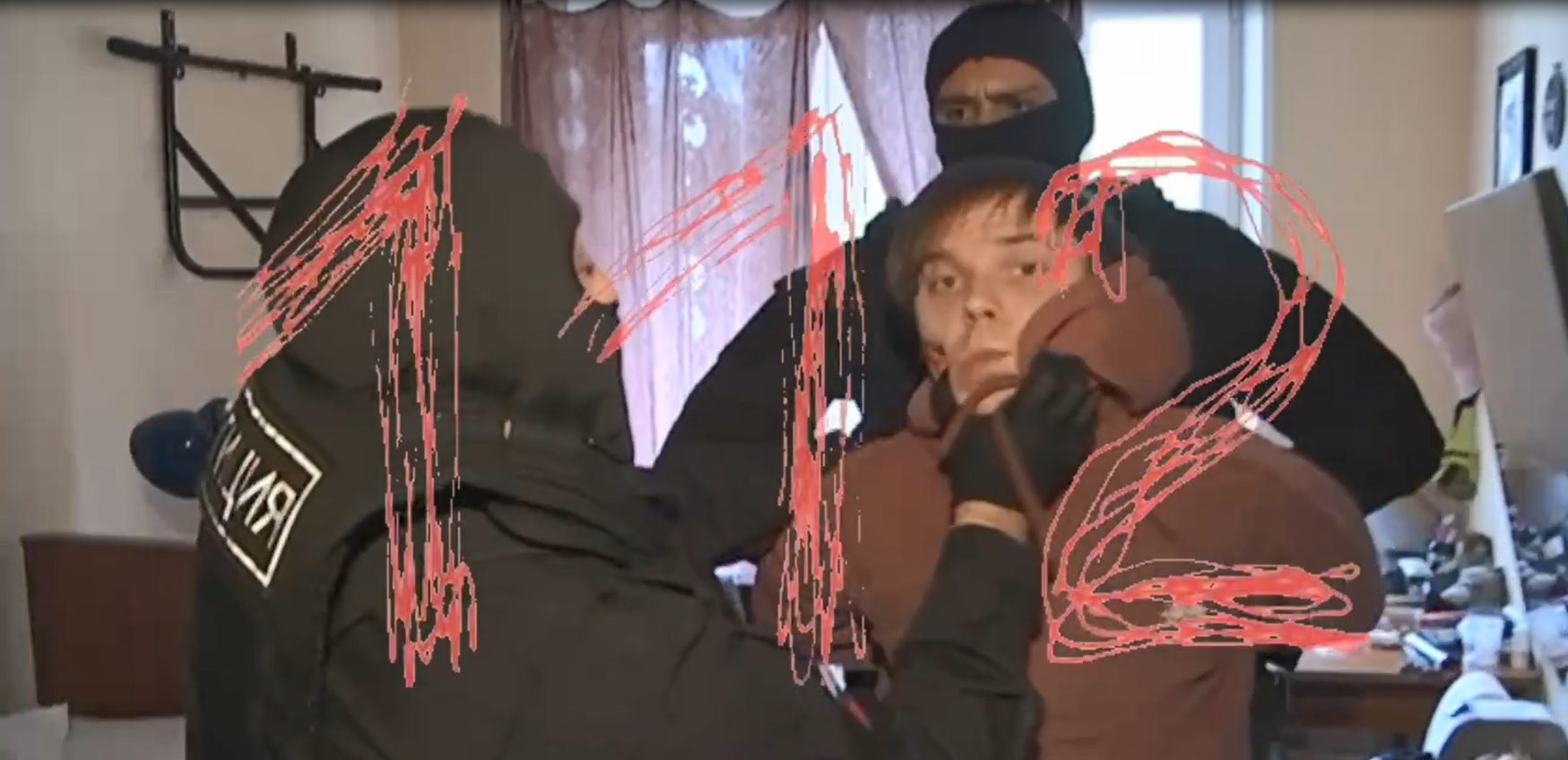
Amnesty International’s report details disturbing allegations of torture against Artyom Kamardin, including brutal sexualized violence, during his arrest and while in detention. He was reportedly denied adequate medical care despite documented injuries.
“Even more disgraceful is the torture… as well as their ongoing imprisonment in inhuman or degrading conditions,” Struthers added.
The organization is calling for the immediate and unconditional release of all three poets and a thorough, independent investigation into the allegations of torture. “Artyom Kamardin, Yegor Shtovba and Nikolai Dayneko are prisoners of conscience, imprisoned solely for exercising their right to freedom of expression. The Russian authorities must… bring those responsible [for the alleged torture] to justice in fair trials,” Struthers stated.
This case underscores the increasingly restrictive environment for freedom of expression in Russia, where criticism of the government and the war in Ukraine is met with swift and severe consequences. The poets’ plight serves as a stark reminder of the risks faced by those who dare to speak out against the Kremlin’s policies.
À lire aussi