India Dominates Pakistan in T20 World Cup Clash, Sparking Debate on Future of Cricket Rivalry
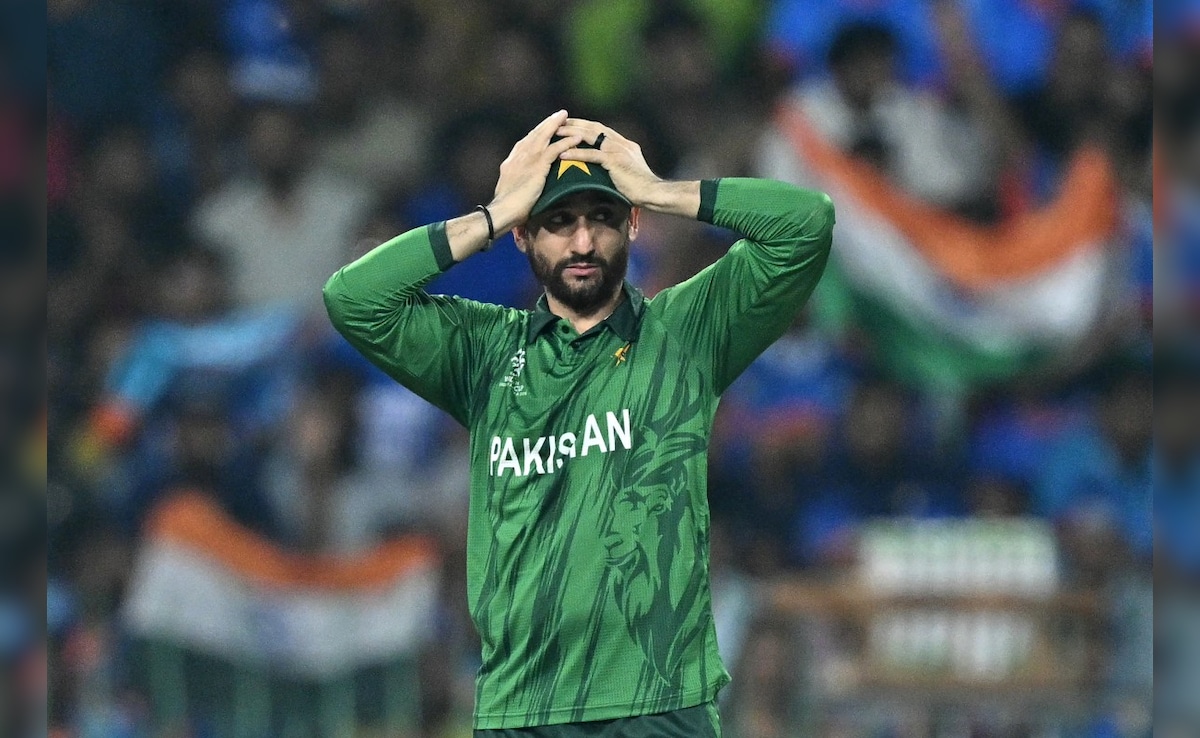
COLOMBO, Sri Lanka – India secured a commanding 61-run victory over Pakistan in a T20 World Cup match on Sunday, raising questions about the once-fierce rivalry and the diverging trajectories of the two nations’ cricket programs. The win, India’s 13th in their last 17 T20 International matches against Pakistan, propelled them into the Super Eights stage of the tournament.
The match, played at the Premadasa Stadium in Colombo, drew a substantial crowd of approximately 30,000 fans – 18,000 from India and 12,000 from Pakistan – many of whom expressed disappointment with the one-sided contest. The disparity in performance has ignited a debate among fans and analysts about whether the India-Pakistan cricket “rivalry” still holds the same weight as it once did.
“It wasn’t a contest, it was a demonstration,” said one Indian fan leaving the stadium. “We wanted a good fight, but Pakistan just didn’t seem up to it.”
Pakistan struggled throughout their chase of India’s 175, being reduced to 34/4 in the early overs. The team’s reliance on spin bowling – captain Salman Ali Agha used a record six spinners – proved ineffective against India’s balanced attack, featuring both pace and spin.
The defeat has prompted criticism within Pakistan, with some fans suggesting the Pakistan Cricket Board (PCB) should have adhered to earlier calls for a boycott of matches against India, rather than face such a public display of their team’s shortcomings.
“It was embarrassing,” commented a Pakistani fan on social media. “Better to stand on principle than to be humiliated on the field.”
Beyond the on-field performance, the match was marked by a noticeable lack of warmth between the teams. Continuing a trend that began during the Asia Cup last year, players from both sides refrained from shaking hands, a departure from long-standing traditions in the sport. This decision, while rooted in current geopolitical tensions, has been criticized by some as a violation of the “spirit of the game.”
“There are certain things that fall within the bracket of ‘spirit of the game’,” noted a cricket analyst. “Not shaking an opponent’s hand, regardless of off-field issues, feels wrong.”
The widening gap between the two teams reflects broader issues within Pakistani cricket. The PCB has faced financial difficulties, with reports indicating a loss of approximately $85 million related to hosting the 2025 ICC Champions Trophy. This instability contrasts sharply with the robust financial and infrastructural support enjoyed by Indian cricket, which is increasingly viewed as a model for success by other cricketing nations.
According to a recent report by the International Cricket Council (ICC), India generates over 80% of global cricket revenue, a figure that underscores its dominance in the sport. Pakistan, in comparison, relies heavily on its share of ICC revenue for survival.
The struggles of Pakistani cricket extend beyond financial concerns. Recent incidents, such as the Pakistani men’s hockey team being stranded in Australia due to unpaid hotel bills, highlight systemic issues within the country’s sports administration. The Prime Minister of Pakistan serves as the Patron-in-Chief of the Pakistan Hockey Federation, yet the team’s financial woes underscore a lack of effective governance.
The contrast is stark. While India consistently produces competitive teams and invests in its cricketing infrastructure, Pakistan grapples with internal politics, inconsistent player development, and financial instability. This disparity is reflected in their on-field results, with Pakistan’s last ICC tournament win dating back to the 2017 Champions Trophy.
Looking ahead, Pakistan faces a challenging path to qualification for the Super Eights, needing a win against Namibia on February 18th. The United States’ performance will also factor into their fate, with the possibility of the Americans joining India in the next round.
The future of the India-Pakistan cricket rivalry remains uncertain. While the anticipation for these matches remains high, the consistent dominance of India raises questions about whether the contest can ever truly return to its former glory. The current situation is a reflection not only of the state of cricket in both countries, but also of the broader socio-political landscape.
Sur le même sujet