Hamas Considers Gradual Disarmament in Cairo Talks as Gaza Truce Hangs in Balance
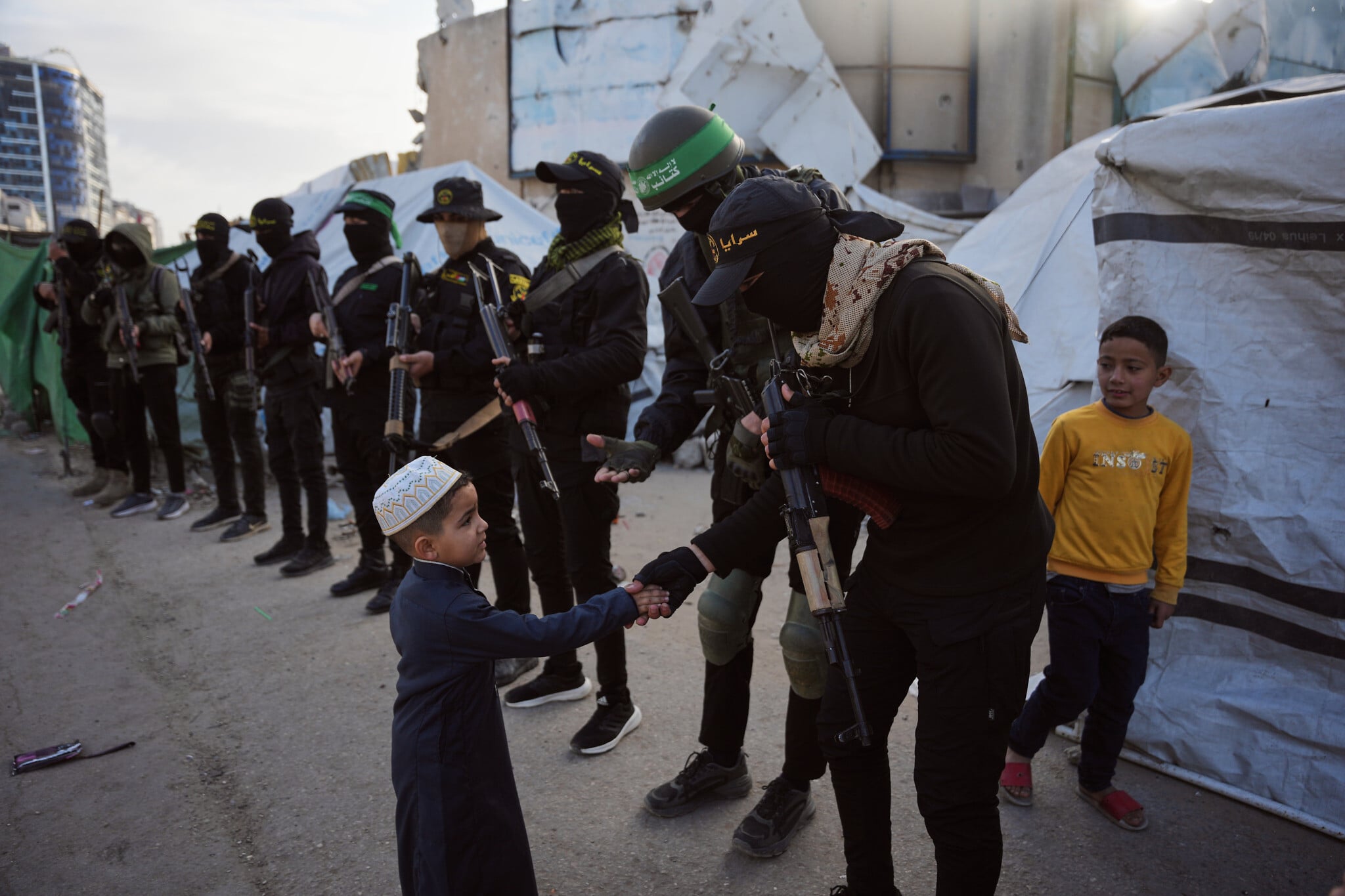
CAIRO – Hamas is engaged in discussions with mediators in Cairo regarding a proposal for the gradual handover of weapons in the Gaza Strip, a move that could unlock stalled ceasefire negotiations and the resumption of aid to the devastated territory. The proposal, presented this week, envisions a phased disarmament process spanning several months, according to two Arab diplomats familiar with the talks.
The core of the plan, first reported by NPR, The New York Times, and Haaretz, calls for Hamas to relinquish its heavy weaponry – including missiles and rocket launchers – within 90 days, alongside providing maps of its extensive tunnel network. A buy-back program is also proposed, offering employment and financial incentives to members of armed groups who voluntarily surrender their personal weapons, though this phase is expected to extend beyond the initial three-month timeframe.
While Hamas negotiators have signaled a willingness to cede heavier arms, they are reportedly insisting on retaining lighter weapons, citing the need for self-defense. This stance presents a key obstacle to the full implementation of the proposal.
The disarmament framework is being overseen by Nickolay Mladenov, the Board of Peace’s High Representative for Gaza, and U.S. special envoy Steve Witkoff’s senior adviser Aryeh Lightstone. Mladenov stated Thursday that mediating countries have reached a “framework” that “can unlock reconstruction, breathe life into communities, and bring closer to unity and a negotiated resolution of the Palestinian question.” He emphasized, however, that full decommissioning by Hamas and all armed groups is essential.
The proposal also links the weapons handover to a lifting of Israeli restrictions on humanitarian aid and reconstruction materials entering Gaza. This connection underscores the broader aim of stabilizing the region and addressing the urgent needs of the Gazan population, as highlighted by recent images of Ramadan iftar meals being shared amidst the rubble.
The plan envisions the handover of weapons to a yet-to-be-fully-formed Palestinian police force, with recruitment efforts underway, as reported last month. Palestinians who previously served as Hamas civil servants are eligible to apply, but will be subject to Israeli vetting, with those implicated in the October 7 attacks potentially facing immunity denials.
The disarmament process would begin in southern Gaza, with the Palestinian police and an International Stabilization Force gradually replacing the Israel Defense Forces in areas cleared of weapons. However, one Arab diplomat expressed skepticism about Israel’s willingness to fully withdraw its troops.
The current negotiations are occurring against a backdrop of heightened Hamas security control within Gaza, with reports indicating increased enforcement of price controls and management of incoming goods. This tightening of control, coupled with intimidation of journalists, raises concerns about the transparency of the process.
The October 2025 ceasefire, which ended two years of conflict sparked by the October 7, 2023 attack on Israel, secured the release of all remaining hostages held by Hamas in exchange for the release of thousands of Palestinian prisoners. The success of the current disarmament proposal is seen as crucial to solidifying the truce and paving the way for a lasting resolution to the Israeli-Palestinian conflict.
Mediators are hoping for a response from Hamas this week, anticipating a counteroffer that could further prolong the negotiations. Israel, according to sources, was aware of the proposal and did not object, reportedly believing it would be rejected by Hamas.
Pour aller plus loin