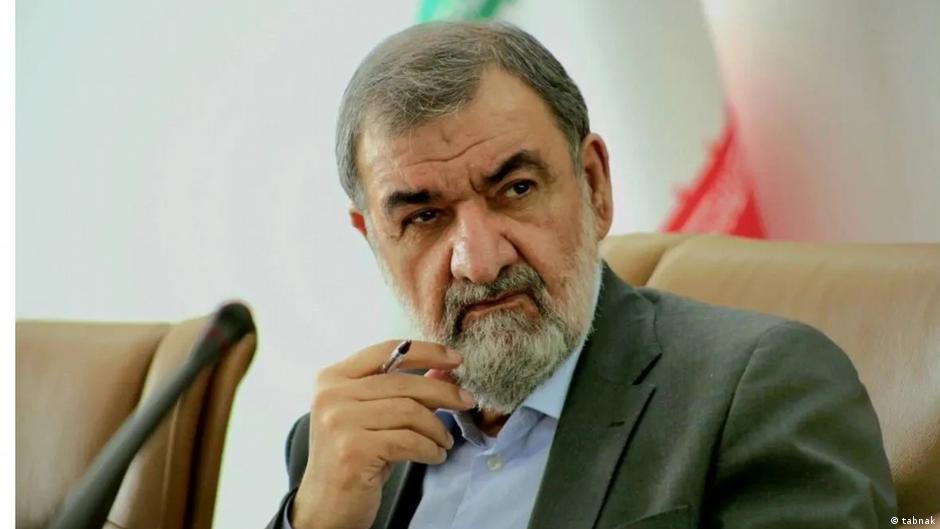
La confrontation entre Téhéran et Washington entre dans une phase critique. Les autorités iraniennes ont haussé le ton face aux pressions occidentales, exigeant des États voisins qu’ils prennent leurs distances avec la stratégie américaine.
Donald Trump
L’avertissement de Mohsen Rezaei et la riposte brandie par Téhéran
Mohsen Rezaei, secrétaire du Conseil suprême de la sécurité nationale iranien, a déclaré sur la télévision d’État que toute nation participant aux sanctions sera considérée comme hostile. L’agence JNS a précisé que cet avertissement fait suite aux menaces proférées par le président américain Donald Trump d’imposer de lourdes pénalités aux pays soutenant Téhéran.
Nous déclarons à tous les pays… ne rejoignez pas la guerre économique menée par les États-Unis. Tout pays participant à l’imposition de restrictions économiques contre nous est considéré comme un ennemi. Mohsen Rezaei, secrétaire du Conseil suprême de la sécurité nationale
En cas d’échec, Téhéran menace de cibler les intérêts des États récalcitrants et de bloquer les routes d’exportation alternatives hors du détroit d’Ormuz.
La réaction de Pékin et la position des alliés régionaux
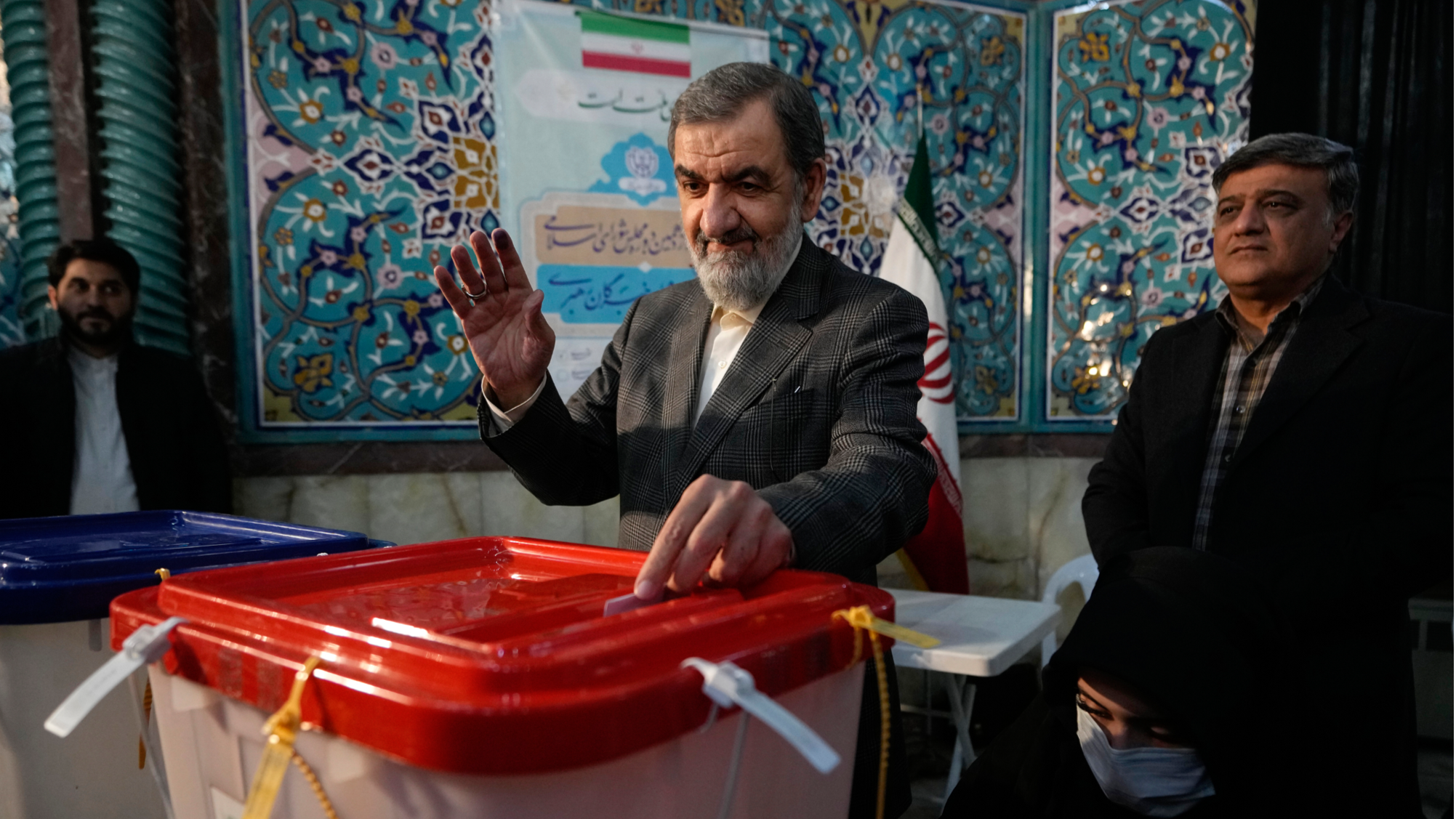
Face à cette escalade, la Chine a immédiatement rejeté l’option des sanctions.
Pendant ce temps, les pays du Golfe se retrouvent pris en étau. Les Émirats arabes unis ont annoncé la suspension de leurs liens financiers avec Téhéran face à l’instabilité régionale, tandis que le président iranien Masoud Pezeshkian a affirmé que son pays résiste avec force à ce qu’il qualifie de guerre totale.
As the war nears its six-month anniversary, US President Donald Trump announced earlier this week what he called the most crushing economic operation
against Tehran.
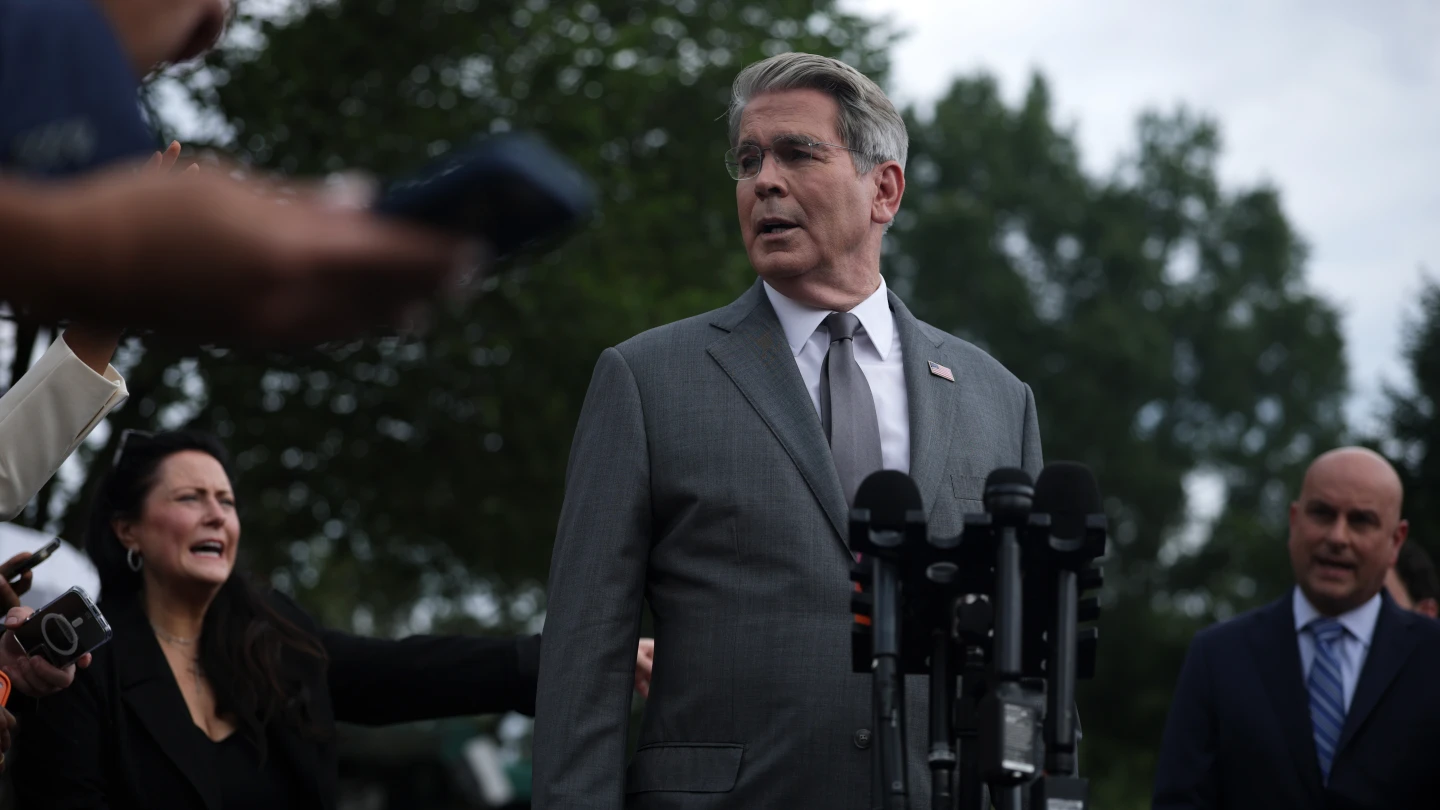
Talks between Washington and Tehran remain on hold after nearly six months of war since the US and Israel launched airstrikes against Iran on February 28. US Treasury Secretary Scott Bessent is expected to hold a press conference at 2 p.m. EDT (1800 GMT) on Monday to give further details of the economic measures.
U.S. Treasury Secretary Scott Bessent stated that Washington was preparing the toughest sanctions in history
on Tehran.
The Daily Telegraph
A report indicated that Iran-linked hackers had disrupted a British power facility. The small power plant was taken offline for four days in July in what is believed to be the first cyberattack to shut down a U.K. power-generation facility, The Daily Telegraph reported on Saturday.

The British government confirmed that a cyber incident had affected a small-scale energy generator but did not publicly link it to Iran. Officials said the facility was not considered critical infrastructure and that the attack posed no risk to Britain’s wider energy system.
The incident came as suspected Iranian hackers stepped up attacks on Western infrastructure, including a series of breaches targeting wastewater systems across 12 U.S. states last month.
Trump on Sunday posted a graphic labeling the Strait of Hormuz New U.S. Territory,
five days after posting the same image on Truth Social. Trump previously said the United States had “total control” over the strategic waterway and suggested he would declare it U.S. territory after defeating Iran.
Iran has attacked US military installations and civilian locations since the war began on February 28 , on the pretext that Tehran was on the verge of having nuclear bombs. That claim was debunked by the US intelligence agency, as well as the UN’s IAEA nuclear watchdog.
The US operates military facilities in more than a dozen locations across the Middle East and North Africa, including in Gulf nations, such as Bahrain, Kuwait, Qatar, Saudi Arabia and the UAE. Thousands of US soldiers are also stationed across the region, including in Jordan.
Rezaei’s remarks came days after US President Donald Trump announced that his government would undertake the most crushing economic operation
yet against Iran. He also pledged tremendous economic consequences
for any country that gives Iran any type of lifeline
.
Mohsen Rezaei
Mohsen Rezaei, secretary of Iran’s Supreme National Security Council, said in an interview with state-run IRIB TV that Iran would first seek dialogue with countries involved and urge them not to participate in what he called the US economic war against Iran.
However, if those countries choose to continue, Iran would target their interests, Rezaei said, adding that Tehran would not allow oil exports through the Strait of Hormuz and the Persian Gulf if regional countries support the US pressure campaign.
Rezaei also said the Strait of Hormuz would remain closed until the United States fulfills its commitments under a peace memorandum of understanding signed between Tehran and Washington in June.
Dans une publication sur la plateforme de réseau social X, Qalibaf a déclaré que les États-Unis ont mis la sécurité de chacun de leurs alliés à un tel niveau de risque par le biais de l’intimidation et d’un mépris total pour leurs intérêts au profit d’Israël.
À ne pas manquer