US Diplomat’s Africa Tour Signals Broader Strategic Focus on Red Sea Security
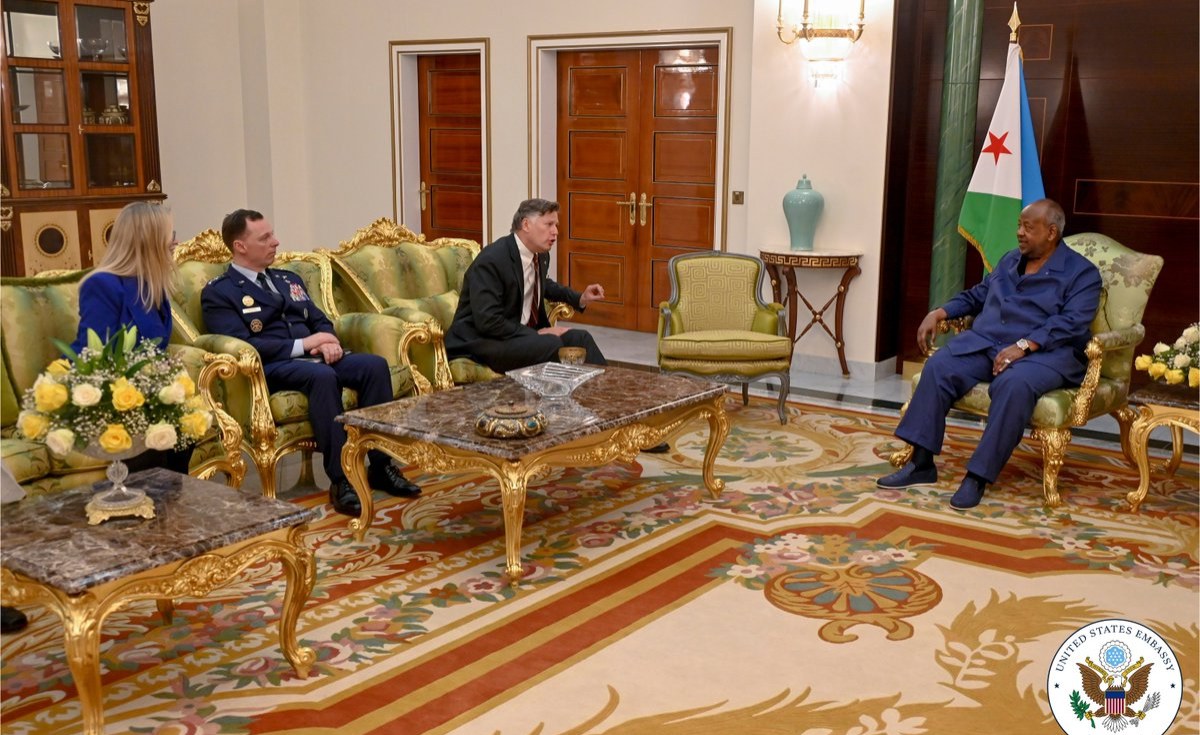
WASHINGTON – A recent diplomatic tour of East Africa by U.S. Deputy Secretary of State Christopher Landau underscores Washington’s growing concern over stability in the Red Sea corridor and its broader strategic interests in the region, analysts say. Landau’s visit to Egypt, Ethiopia, Kenya, and Djibouti, from January 24 to February 1, comes amid escalating attacks on commercial shipping by Yemen’s Houthi rebels and a heightened U.S. military presence aimed at protecting vital trade routes.
The State Department framed the trip as an effort to strengthen bilateral ties and advance President Donald Trump’s priorities of “rebalancing trade, ensuring a positive business environment, and promoting security and peace.” Landau himself described the tour as “one of the great privileges” of his role, emphasizing the importance of dialogue with regional leaders.
However, the timing of the visit, coupled with the composition of the countries included, suggests a deeper focus on the Red Sea. Three of the four nations – Egypt, Ethiopia, and Djibouti – are participating in the U.S.-led multinational naval force deployed to defend against Houthi attacks.
“The visit signals how the US views East Africa and the Red Sea as a single interconnected strategic theater,” explained Charles Amo-Agyemang, a senior lecturer of politics and international relations at the University of Ghana, in an interview with DW. “The choice of these countries was not accidental. It was deliberate, strategic and it was conscious.”
The Red Sea is a critical waterway for global trade, handling approximately 12% of world trade volume, according to the International Maritime Organization. It connects the Suez Canal to the Gulf of Aden, providing a crucial link between Asia and Europe. Disruptions to shipping in the region, as seen with recent attacks, have a ripple effect on the global economy.
The U.S. has been increasingly vocal in its condemnation of the Houthis, with Ambassador Tammy Bruce, deputy representative of the U.S. to the United Nations, labeling them a “terrorist organization” supported by Iran and posing a threat to regional stability and freedom of navigation. This rhetoric underscores the escalating tensions and the U.S.’s commitment to countering Iranian influence in the region.
Beyond the immediate security concerns, analysts suggest the U.S. is also seeking to counter the growing influence of China in Africa. Etse Sikanku, dean of the School of Journalism and Media Studies at Ghana’s University of Media, Arts and Communication, believes the trip reflects a recognition that the U.S. is “losing its hold within the continent” and is attempting to “reinsert themselves into the global relationship as far as Africa is concerned.”
“The US intends to maintain a strategic foothold despite China’s expanding presence,” Amo-Agyemang added, highlighting the broader context of great power competition.
U.S. Africa Command (AFRICOM) Commander General Dagvin Anderson, who accompanied Landau on parts of the tour, emphasized America’s readiness to address threats in the region, including those posed by al-Shabaab, ISIS, and the Houthis.
The African Union has called for a strategic partnership with the U.S. “grounded in mutual respect, shared interests and a common commitment to peace, stability, and prosperity.” However, experts caution that African nations must actively shape the terms of this relationship to ensure it benefits the continent.
“African nations must reassess their relations with the United States ‘on new terms and in ways that will also benefit the continent,’” Sikanku urged.
The situation remains fluid, with recent reports indicating dozens killed in a U.S. strike on Yemen targeting Houthi positions. As the U.S. navigates this complex geopolitical landscape, its engagement with African partners will be crucial to achieving its objectives and ensuring long-term stability in the Red Sea region.
https://x.com/deputysecstate/status/2014823469926502755?s=46
Source: DW, State Department, University of Ghana, African Union.
À lire aussi