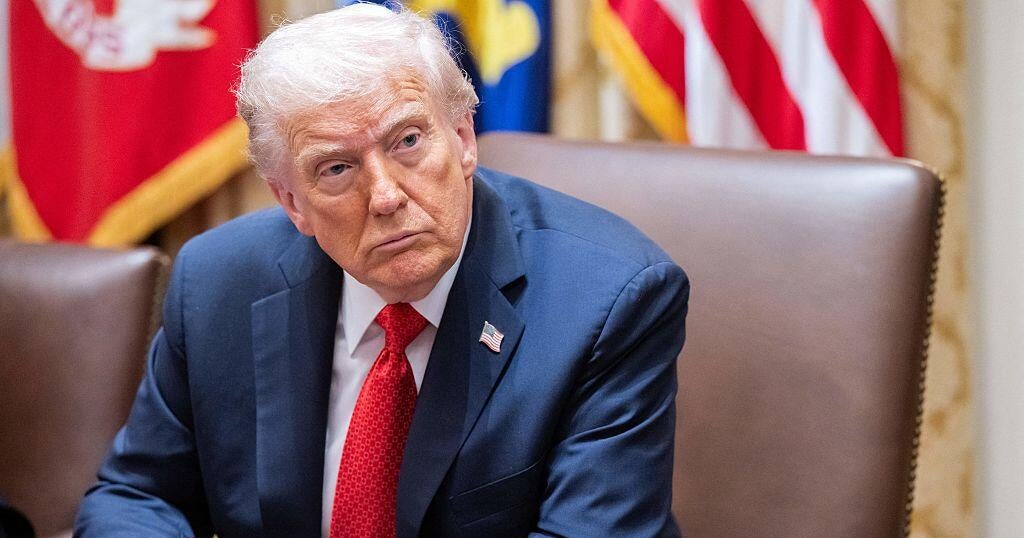
WASHINGTON (AP) — President Donald Trump is weighing military options against Iran, a move fueled by frustration over stalled diplomatic efforts and a desire for a decisive action, according to multiple sources within the administration. The potential for conflict is escalating as the U.S. increases its military presence in the region, but military planners caution that a strike against Iran carries significant risks and may not yield the desired results.
Trump’s impatience stems from a belief that a forceful demonstration of strength is needed to compel Iranian leaders back to the negotiating table, ideally under terms more favorable to Washington. However, advisors have warned that a military campaign could quickly escalate, drawing the United States into a protracted conflict in the Middle East. Unlike the recent removal of Venezuelan leader Nicolás Maduro, any action against Iran is unlikely to be a singular success, officials say.
The president, in a post on his social media platform, Truth Social, dismissed reports that Chairman of the Joint Chiefs of Staff Gen. Dan Caine opposes military action. Trump claimed Caine believes a conflict with Iran would be “easily won” and that he is prepared to lead any military operation. A senior military official, however, told CBS News that military planners are providing unbiased advice.
Privately, Caine has reportedly advised Trump that a sustained military campaign could lead to retaliation from Iran and its proxies, potentially requiring additional American troops and resources.
Special envoy Steve Witkoff, in a Fox News interview, expressed bewilderment as to why Iranian leaders haven’t agreed to negotiate, given the U.S.’s naval power in the region. “Why, under this sort of pressure…why haven’t they come to us and said, ‘We profess that we don’t want a weapon. So, here’s what we’re prepared to do?’” Witkoff questioned.
The U.S. has been bolstering its military presence in the Persian Gulf, deploying the USS Gerald R. Ford carrier strike group alongside the USS Abraham Lincoln. Patriot and Terminal High Altitude Area Defense systems have also been reinforced to protect American forces and allies. Pentagon officials maintain these deployments are defensive, intended to deter escalation, but the scale of the buildup underscores the potential for a swift response from Iran, whether through missile attacks, maritime harassment, or proxy forces operating in neighboring countries.
The situation highlights a tension within the White House between the president’s desire for a dramatic show of force and the military’s emphasis on the unpredictable nature of war. While contingency plans are being refined, whether the situation culminates in a limited strike or remains a posture of deterrence will likely depend on Tehran’s actions and Washington’s willingness to accept the associated risks.
Pour aller plus loin
- Charlie Kirk : Entre Mèmes Viraux et Indemnités pour Salariés Licenciés
- Les Houthis Revendiquent Une Attaque Contre Une Base à Sharurah
- Trump dit qu’un accord commercial avec le Canada pourrait être conclu assez bientôt (lesactualites.news)
- Trump, de manière inattendue, plaide pour une Irlande "unifiée" (lederniereheure.com)