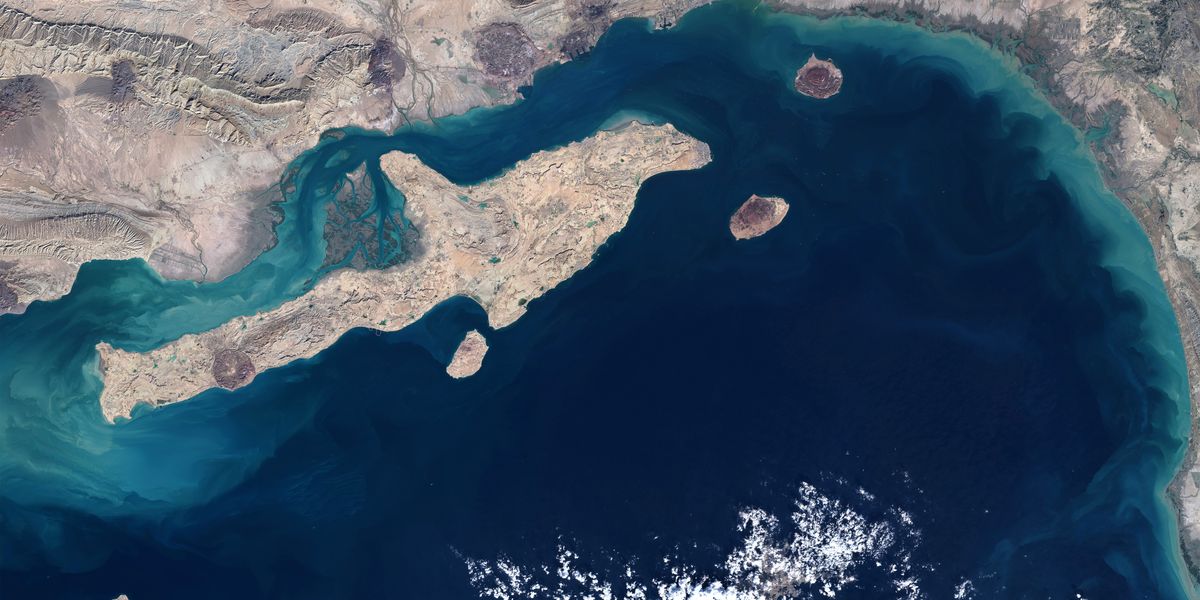
Tensions in the Strait of Hormuz Rise as U.S. Seeks Coalition, Gulf States Weigh Options
DUBAI, United Arab Emirates – The vital Strait of Hormuz is at the center of a growing international crisis, as the United States attempts to assemble a coalition to secure the crucial shipping lane amid escalating tensions with Iran. Gulf states, caught between regional power dynamics, are simultaneously pressing for a more definitive U.S. strategy to neutralize Iranian threats, while also cautiously navigating potential direct involvement in a widening conflict.
The situation has prompted insurers to dramatically increase war-risk premiums for vessels traversing the strait and the Gulf, and producers are actively exploring alternative export routes. According to recent reports, Washington is urging countries reliant on Gulf energy exports to contribute naval forces, but diplomatic efforts have met with hesitation as some governments are reluctant to become directly embroiled in a rapidly escalating confrontation.
“The U.S. military has been paying attention to this problem set for many years,” explained Norman Roule, a former National Intelligence Manager for Iran at the Office of the Director of National Intelligence (ODNI), in a recent interview. “They have plans and capabilities, but this is something best done as a team.”
Roule, who served for 34 years in the Central Intelligence Agency, emphasized the international nature of the Strait of Hormuz. “It’s not owned by the United States. Something that is terrifically negative right now is that you have some countries contacting the Iranians, in essence, negotiating the right to pass through the Strait. That’s a terrible thing.”
The stakes are high. Approximately 28% of Iran’s GDP is derived from traffic through the Strait, meaning a prolonged closure would significantly impact the Iranian economy. However, Roule noted that Iran could sustain a short-term closure, highlighting the complex interplay of economic and strategic interests.
Recent military actions have demonstrably degraded Iran’s missile capabilities, according to Roule. “Iran is now finding out that there is no such thing as a subterranean storage location that we cannot attack and collapse,” he stated. While drone and mine capabilities remain a concern, the U.S. Navy is prioritizing reducing Iran’s capacity to deploy these weapons before establishing a secure convoy system for commercial shipping.
The U.S. military is focused on reducing Iran’s ability to launch missiles, deploy mines, and utilize swarm speedboats and submarines. The goal is to create a protected corridor for commercial vessels, but officials acknowledge the need for patience and a measured approach.
“Right now, if you’re the U.S. Navy, you would want to do several things,” Roule said. “First, you’re going to make sure that you have reduced Iran’s capacity… Then, once that’s done, you’re going to want to develop a convoy with the appropriate security capacity.”
Beyond the immediate military considerations, Roule pointed to a shift in Iran’s leadership and its potential implications. The new governing structure, he believes, represents a continuation of existing policies rather than a fundamental change in direction.
“This is the new generation. This is the post-revolutionary generation,” Roule explained. “They’re not tied to the revolution. We have a world where there are more women in Iran’s parliament than clerics.”
He cautioned that the U.S. must maintain vigilance and demonstrate a willingness to respond to any Iranian provocations. “They need to know if we see it, we’re going to respond and it’s likely going to be a military response and we’re not going to waste time.”
The situation also highlights the crucial role played by Gulf partners, particularly the United Arab Emirates and Saudi Arabia, in defending against Iranian attacks. Roule praised their performance in intercepting missiles and drones, as well as maintaining economic stability amidst the crisis.
“Our Israeli partners have done magnificent work on air defense,” Roule added. “But the Gulf nations don’t have a lot of history of combat and air defense, and they have faced an unprecedented number of missile, drone, and cyberattacks simultaneously.”
As the crisis unfolds, the international community faces a critical juncture. The need for a coordinated response, burden-sharing, and a clear strategy to de-escalate tensions is paramount. The future of the Strait of Hormuz – and the global energy market – hangs in the balance.
À ne pas manquer