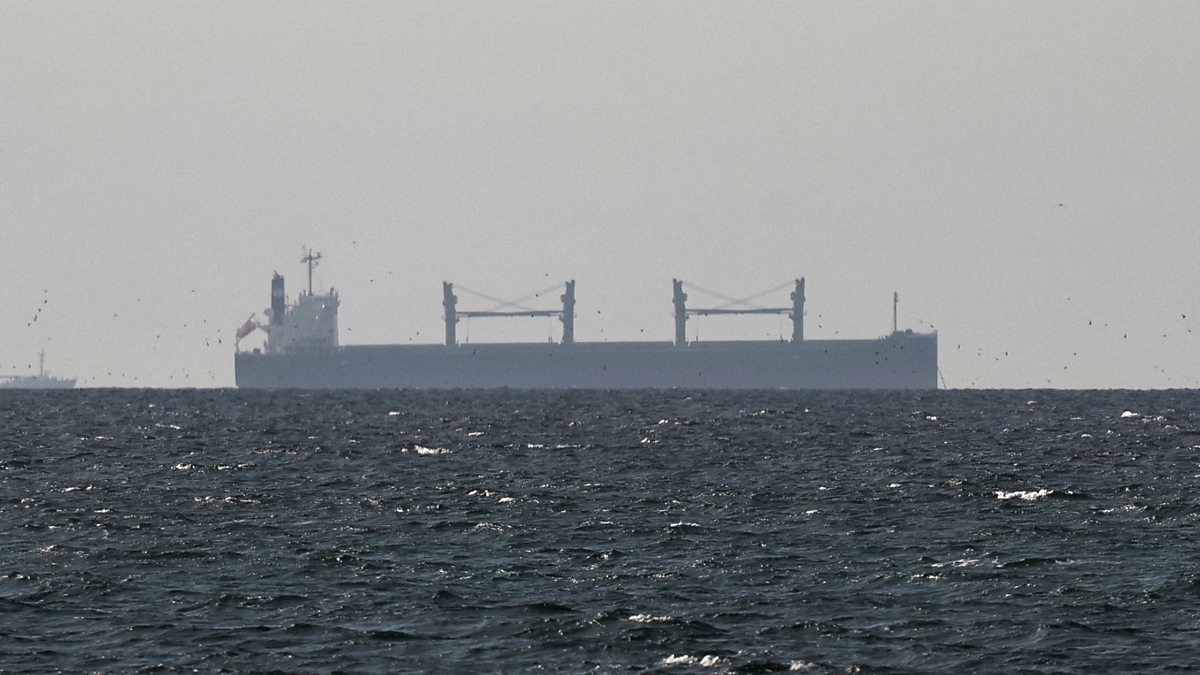
Tensions Mount as Attacks Hit Strait of Hormuz, Global Oil Reserves Tapped
DUBAI, United Arab Emirates – Escalating regional conflict saw three commercial ships damaged by “unknown projectiles” in the critical Strait of Hormuz on Thursday, coinciding with a historic release of emergency oil reserves by the International Energy Agency (IEA). The incidents are fueling concerns about global energy security and further destabilizing an already volatile region.
The IEA announced that its 32 member countries unanimously agreed to release 400 million barrels of oil from their emergency stockpiles, the largest such release in history. The move is a direct response to market disruptions stemming from the intensifying Middle East conflict and aims to mitigate rising oil prices.
The Strait of Hormuz, a narrow waterway connecting the Persian Gulf to the Gulf of Oman and the Arabian Sea, is a vital artery for global oil trade. According to the U.S. Energy Information Administration, more than one-quarter of total global seaborne oil trade and roughly one-fifth of global oil consumption passed through the strait in 2024 and the first quarter of 2025. Approximately one-fifth of global liquefied natural gas trade, primarily originating from Qatar, also transits the area.
The attacks on the commercial vessels have not been attributed to any specific actor. However, they come amid a backdrop of escalating hostilities. Reports indicate Israel has launched new strikes targeting infrastructure within Iran and Hezbollah sites in Beirut, Lebanon. In response, Iran has reportedly struck targets in Saudi Arabia, the United Arab Emirates, and Kuwait, while also facing attacks on its own territory.
The situation underscores the fragility of the region and the potential for wider conflict. The BBC News Podcast is providing ongoing coverage of the developing situation, offering analysis and updates as events unfold.
The release of strategic oil reserves is intended to provide a buffer against potential supply disruptions. However, analysts caution that the long-term impact will depend on the duration and intensity of the conflict.
Pour aller plus loin