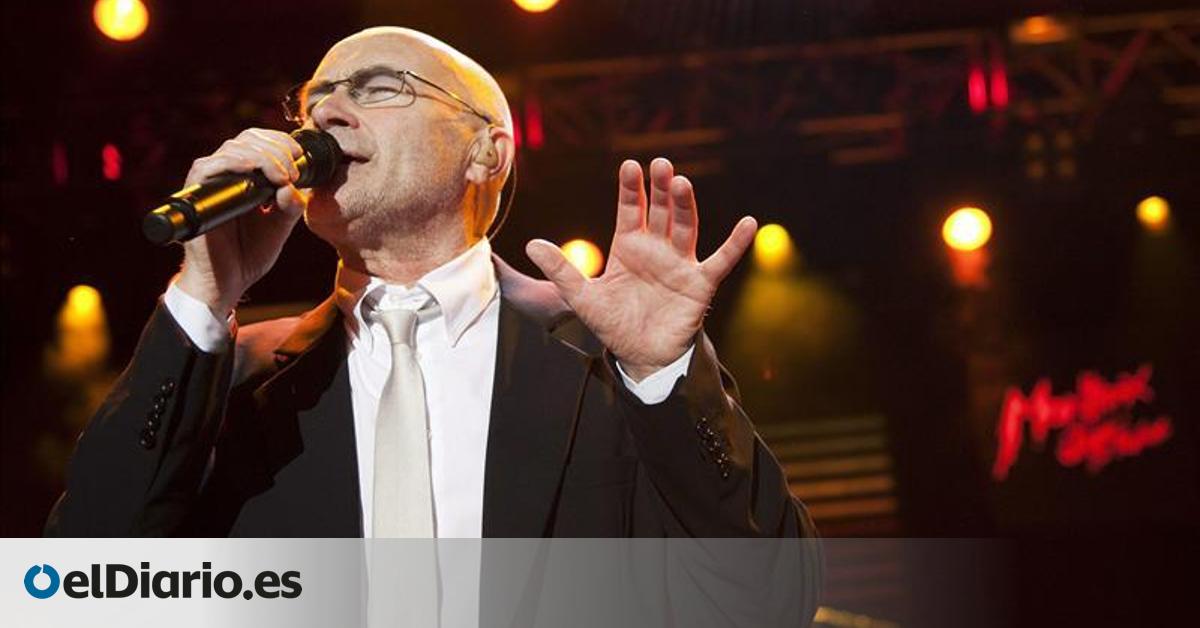
Phil Collins’ Oscar Snub and a Bitter Night in 1985
Los Angeles, CA – The 57th Academy Awards, held on March 25, 1985, at the Dorothy Chandler Pavilion in Los Angeles, is remembered not only for the films it celebrated, but for a unique moment in Oscar history: all five nominees for Best Original Song were chart-topping hits on the Billboard Hot 100. While Stevie Wonder ultimately took home the award, the night left a lasting sting for British musician Phil Collins.
Collins’ contribution to the soundtrack of “Against All Odds,” a film about a former football player embroiled in a criminal plot and a rekindled romance, was a major success. The song of the same name became a global sensation, propelling the film and solidifying Collins’ rising star status throughout the mid-1980s. He had been asked by director Taylor Hackford, known for his work on films with memorable soundtracks like “An Officer and a Gentleman” and “White Nights,” to contribute to the project.
The nomination itself was a significant achievement for Collins, who was enjoying a meteoric rise with his third solo album, “No Jacket Required,” which became a best-seller in the United Kingdom that year. However, the loss to Wonder, and the circumstances surrounding it, fueled a public display of disappointment.
Wonder’s win was historic, marking the first time a blind artist had received an Oscar. Yet, Collins reportedly felt the decision wasn’t solely based on merit. He publicly questioned whether the award was influenced by Wonder’s identity, stating in an interview with Rolling Stone that he believed the award was given “because he is blind, Black, lives in Los Angeles and does so much for human rights.” He also expressed doubts about whether Wonder’s song was specifically written for the film.
Adding to Collins’ frustration was the Academy’s decision not to allow him to perform “Against All Odds” during the ceremony. Ann Reinking performed the song instead, a choice Collins described as “horrible.”
[embedded YouTube video: https://www.youtube.com/watch?v=wuvtoyVi7vY]
Despite the bitterness of that night, Collins would eventually receive an Academy Award in 1999 for “You’ll Be in My Heart” from Disney’s “Tarzan.”
The 1985 Oscars remain a notable event, not just for the unusual convergence of popular songs nominated, but for the candid reaction of a major artist grappling with both defeat and perceived injustice on Hollywood’s biggest night.
À ne pas manquer