Uganda Charts Course for Sustainable Prosperity, Balancing Growth with Discipline
KAMPALA, Uganda (AP) – Uganda is at a pivotal juncture, seeking to translate economic potential into lasting prosperity through a renewed focus on institutional discipline and responsible resource management, according to a prominent Ugandan leader. The nation, having secured a degree of stability and begun unlocking its natural resources, now faces the challenge of ensuring benefits reach all citizens.
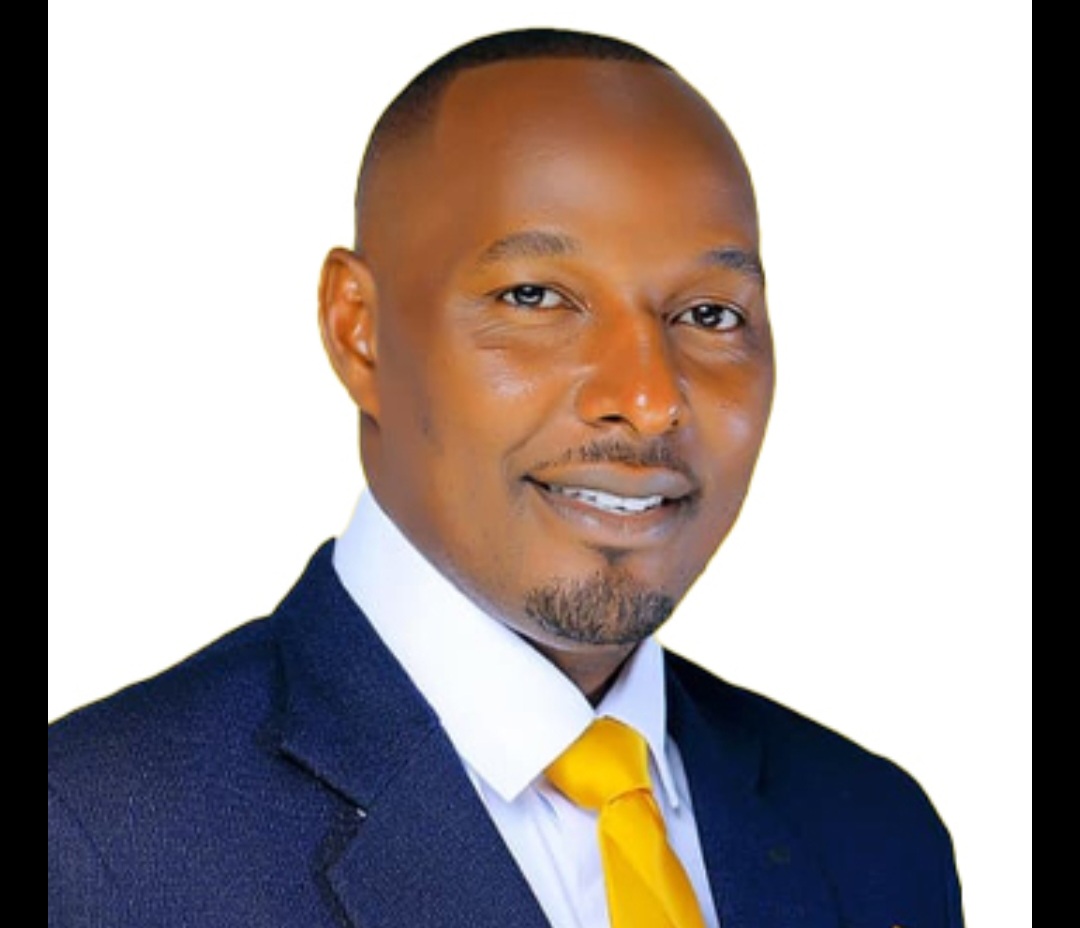
Jonard Asiimwe, Vice Chairperson of the National Resistance Movement (NRM) Western Region and CEO of Jonard Conglomerate Investments Ltd, argues that sustained progress hinges on more than just capital investment. In a recent essay, Asiimwe emphasized the need for precise policy, accountable institutions, and a national ethos centered on performance.
“Transformation is not improvised. It is engineered,” Asiimwe wrote, drawing a parallel between national development and structural design. “A bridge collapses when calculations are careless. An economy falters when systems are weak.”
Uganda’s economic growth has shown positive signs, rebounding to approximately 5.5% in 2023, bolstered by oil-related investments and infrastructure expansion, according to the World Bank. However, the country also faces demographic pressures, with nearly 75% of its population exceeding 45 million under the age of 30. This youthful population presents both an opportunity and a challenge, requiring effective governance to channel energy into productivity.
A key component of Uganda’s strategy centers on its natural resources. The Ugandan constitution vests ownership of minerals and petroleum in the government, acting as a trustee for the people. Legislation, including the Petroleum (Exploration, Development and Production) Act of 2013, aims to establish clear licensing regimes, promote local content, and ensure environmental protection. The Public Finance Management Act of 2015 further seeks to prevent the “resource curse” through careful management of oil revenues.
Asiimwe points to Norway’s sovereign wealth framework as a model for transparent and prudent resource governance, citing the work of economist Paul Collier. Uganda is projected to attract over USD 15 billion in investment linked to oil development, including the East African Crude Oil Pipeline. However, he stresses that value addition, skills transfer, and local enterprise participation are crucial for maximizing the benefits.
Beyond resource management, Asiimwe highlights the importance of a disciplined approach to public finances. Uganda’s public debt, currently around 50% of GDP, remains sustainable, according to the International Monetary Fund, but requires careful management. He argues that borrowing should prioritize productive infrastructure – roads, energy systems, and digital networks – rather than consumption.
The government’s Vision 2040 aims for upper-middle-income status, while the Third National Development Plan (NDP III) prioritizes agro-industrialization, tourism, and science and technology. Uganda is also leveraging the African Continental Free Trade Area (AfCFTA) to expand its market reach.
Asiimwe also underscored the need for a shift in mindset, echoing the observations of philosopher Max Weber on the link between economic progress and a culture of rational organization and ethical commitment. He advocates for decentralizing prosperity through initiatives like the Parish Development Model, while emphasizing the importance of accountability and financial literacy.
Ultimately, Asiimwe argues, Uganda’s success will be measured not by the resources it discovers, but by the systems it builds – systems grounded in law, discipline, and a commitment to implementation. He calls for a national narrative that showcases Uganda as a republic governed by law, managed with prudence, and anchored in stability.
Sur le même sujet