Cameroon Seeks Return of Stolen Artifact, Sparking National Conversation on Restitution
By [Your Name], International Editor
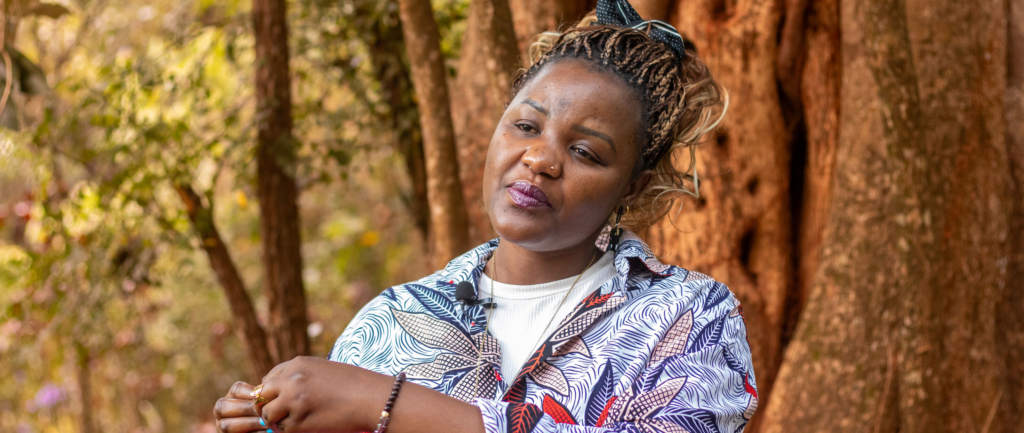
Berlin – A decades-long campaign to reclaim a sacred statue stolen from Cameroon during the colonial era is gaining momentum, fueled by the determination of Sylvie Njobati and a growing national reckoning with the legacy of colonial plunder. The artifact, known as Ngonnso, represents the cultural cornerstone of the Nso people, an ethnic group from the Northwest Region of Cameroon.
The story began in 2018 when Njobati’s grandfather shared with her the history of Ngonnso, taken by German military officer Kurt Von Pavel in 1902 and subsequently donated to Berlin’s Ethnological Museum. Ngonnso, embodying the history and identity of the Nso people, was more than just an object; it was the representation of their founding mother.
“He asked me if I could try and bring it back to Cameroon,” Njobati explained, recalling her grandfather’s wish to see the statue returned during his lifetime. “It was an opportunity to reconnect with my culture, and a history that had been intentionally denied.”
Njobati launched the #BringBackNgonnso campaign, initially focusing on community engagement through talks in churches, schools, and local groups. Recognizing the power of visual storytelling, she filmed a poignant conversation with her grandfather, capturing the emotional weight of the request and the statue’s significance.
“I filmed a piece with my grandfather, granting me this mission, and it captured the essence of the campaign,” Njobati said. “It was very powerful as it helped people understand the importance of objects, especially in the context of Cameroon.”
Her efforts extended to social media, creating a dedicated Facebook page to amplify the call for restitution. She also reached out to German institutions, including the Prussian Cultural Heritage Foundation, the entity believed to currently hold Ngonnso. A meeting with a German contact point for collections of colonial artefacts revealed a key obstacle: restitution requests must come from official channels – the king, local government, president, or embassy – not individual citizens.
A turning point came in 2021 when the Ethnological Museum announced plans to exhibit Ngonnso at the Humboldt Forum in Berlin. Njobati traveled to Germany to protest, presenting an official restitution letter and sharing the video of her grandfather’s plea with the President of the Prussian Cultural Heritage Foundation.
“I played a clip of my grandfather saying how he would love to see Ngonnso returned. The room fell quiet. It was an incredible moment. My request of restitution was finally acknowledged,” Njobati recounted.
Tragically, her grandfather passed away during that same week. “It was a difficult week, as I’d wanted to bring back Ngonnso before he passed,” she said. “But in our culture, when someone passes on, they transcend. The passing of my grandfather reminded me that life is fragile. If you have to do something, then now is the time.”
Following her grandfather’s death, momentum built. A workshop in 2021 and subsequent discussions led to a formal decision in June 2022 confirming Germany’s commitment to return Ngonnso to Cameroon.
However, the statue remains in Berlin, pending negotiations between Germany and the Cameroonian government. Njobati acknowledges the political complexities and the frustration of continued delays, particularly as others involved in the initial push for restitution have since passed away.
The campaign has already had a broader impact, shifting Cameroon’s national stance on restitution. Prior to Njobati’s efforts, the issue was largely ignored. Now, the country has established a commission dedicated to recovering illegally exported goods.
Njobati views the fight for Ngonnso’s return as part of a larger movement for reparatory justice. “Restitution doesn’t just mean the physical return of objects. It also means reclaiming our stories and reshaping our narrative, so we can tell our own stories,” she stated. She hopes to build on this momentum, advocating for broader reparations and increased awareness of the lasting impacts of colonialism.
Njobati remains hopeful that Ngonnso will be returned in 2026, carrying forward her grandfather’s legacy and inspiring a new generation to fight for cultural reclamation.
Pour aller plus loin