Athletes at Winter Olympics Navigate Political Pressure, Trump Criticism
Livigno, Italy – As the 2026 Winter Olympics unfold in Italy, athletes are increasingly finding themselves navigating a complex intersection of sport and politics, spurred by criticism from former U.S. President Donald Trump and broader societal divisions. The situation highlights a long-standing tension between the ideals of Olympic unity and the realities of athletes’ personal convictions.
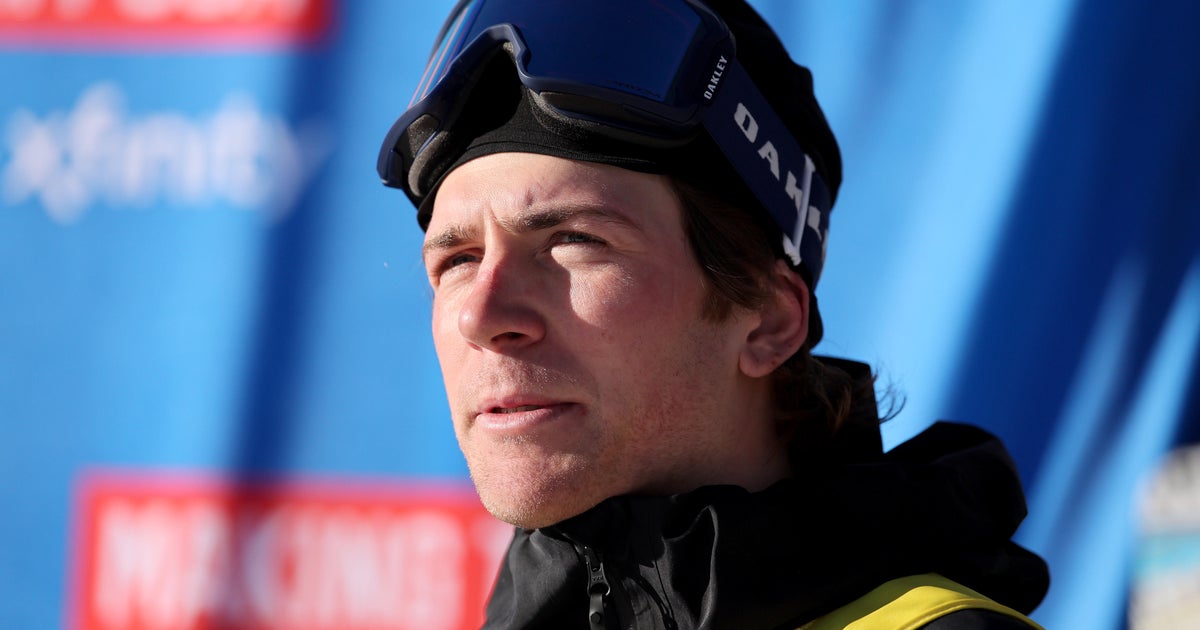
The controversy ignited last week when freestyle skier Hunter Hess, speaking to a journalist, expressed “mixed feelings” about representing the United States, citing ongoing political issues at home. Trump swiftly responded, labeling Hess a “real loser” in a social media post, a remark that drew condemnation and sparked a wider conversation among Team USA athletes.
“There is so much that is great about America, but there are always things that could be better,” Hess said in a subsequent Instagram post on Monday. “One of the many things that makes this country so amazing is that we have the right and the freedom to point that out.”
Hess’s comments resonated with other American athletes competing in Milan and Cortina d’Ampezzo. Snowboarder Bea Kim emphasized the diversity within the U.S. as a source of strength, stating, “I personally am very proud to represent the United States. That being said, I think diversity is what makes us a very strong country and what makes us so special.”
Maddie Mastro, another American snowboarder, acknowledged the difficulty of compartmentalizing the political climate back home. “It’s really tough. I feel like we can’t turn a blind eye to that,” she said. “But at the same time, I represent a country that has the same values as mine, of kindness and compassion.”
Two-time Olympic gold medalist Chloe Kim, whose parents are immigrants, spoke passionately about the need for unity and compassion. “In moments like these, it is really important for us to unite and kind of stand up for one another, for all that’s going on,” Kim said during a press conference. “The U.S. has given my family and I so much opportunity. But I also think that we are allowed to voice our opinions on what’s going on. And I think that we need to lead with love and compassion.”
Getty Images Photo of Chloe Kim
The situation isn’t limited to American athletes. Gus Kenworthy, a skier competing for the United Kingdom after previously representing the U.S., voiced his support for athletes speaking out. He shared a provocative image on social media – a message condemning U.S. Immigration and Customs Enforcement written in urine in the snow – and reiterated his belief that loving one’s country doesn’t preclude criticism.
“I just want to remind everyone that you can love the U.S. and be proud to be an American – I am – and still think it can be better,” Kenworthy said. “And just because you love the U.S. doesn’t mean you stand with this administration and stand behind their politics.”
The International Olympic Committee (IOC) has remained largely silent on the matter. Spokesperson Mark Adams stated Monday that the organization would “not add to the discourse” regarding Trump’s remarks, declining to comment on statements made by heads of state. Adams also sidestepped questions about increased security measures for Hess following the former president’s criticism.
The U.S. and Paralympic Committee acknowledged receiving an increasing number of harmful messages directed at athletes and stated it is working to report credible threats to law enforcement.
Experts note that athlete activism at the Olympics is nothing new. J. Simon Rofe, an associate professor in sports diplomacy at the University of Leeds, pointed to the iconic 1968 protest by American track athletes Tommie Smith and John Carlos as a historical precedent.
“What’s noticeable [in these Winter Games] is athletes’ agency in being political,” Rofe told CBS News. “The platforms of social media provide that opportunity to a far greater degree than we’ve seen in the past. Sport plays that huge role in society and communities of convening people together. It allows for conversations that wouldn’t happen otherwise.”
The ongoing situation underscores the growing expectation for athletes to use their platforms to address social and political issues, even while competing on the world stage. It also highlights the potential for political interference to impact the Olympic experience, raising questions about the balance between athletic performance and personal expression in the modern era.
Sources: CBS News, Getty Images, Instagram
À lire aussi