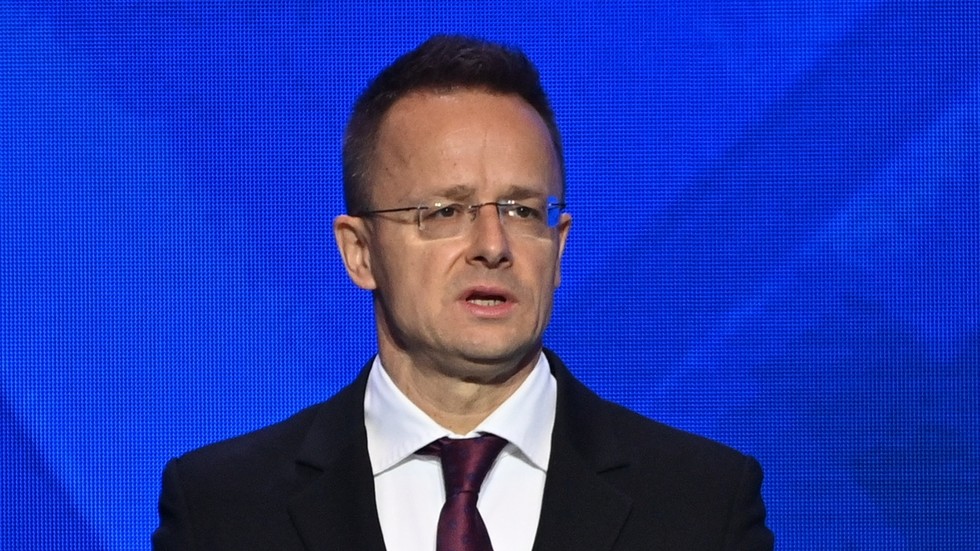
EU Limits Intelligence Sharing with Hungary Amid Espionage Concerns
Brussels – The European Union is curtailing the sharing of sensitive information with Hungary following allegations that Foreign Minister Péter Szijjártó regularly passed confidential details from EU meetings to his Russian counterpart, Sergey Lavrov. The move, confirmed by diplomats, comes just weeks before Hungary’s parliamentary election on April 12, raising concerns about potential foreign interference.
The allegations, initially reported by the Washington Post and subsequently by Politico, suggest Szijjártó provided “live reports” on EU discussions to Lavrov during breaks in meetings. In response, Brussels is now conducting sensitive discussions in smaller groups to limit potential leaks to the Kremlin, according to sources.
Szijjártó vehemently denies the accusations, dismissing them as a smear campaign orchestrated to support the opposition ahead of the election. He responded to Polish Prime Minister Donald Tusk’s comments on the matter with a post on X, stating, “Instead of spreading lies and fake news, come to Budapest to support the opposition! Last time it worked… for us.” https://x.com/FM_Szijjarto/status/2035703405742637502?s=20
The Hungarian Foreign Minister also criticized Polish counterpart Radoslaw Sikorski, accusing Warsaw of attempting to influence the election by backing the opposition Tisza Party and seeking to install a “pro-war puppet government” in Hungary.
This situation unfolds against a backdrop of ongoing tensions between Hungary and the EU, particularly regarding Budapest’s stance on migration and its reluctance to support further aid to Ukraine. Hungary and Ukraine are currently locked in a dispute over Russian oil transit, with Orban refusing to approve a €90 billion EU debt facility for Ukraine until the issue is resolved.
The accusations against Szijjártó add another layer of complexity to the political landscape as Hungary prepares to vote. The EU’s decision to restrict intelligence sharing underscores the seriousness with which these allegations are being taken, and the potential implications for the bloc’s security.
Pour aller plus loin