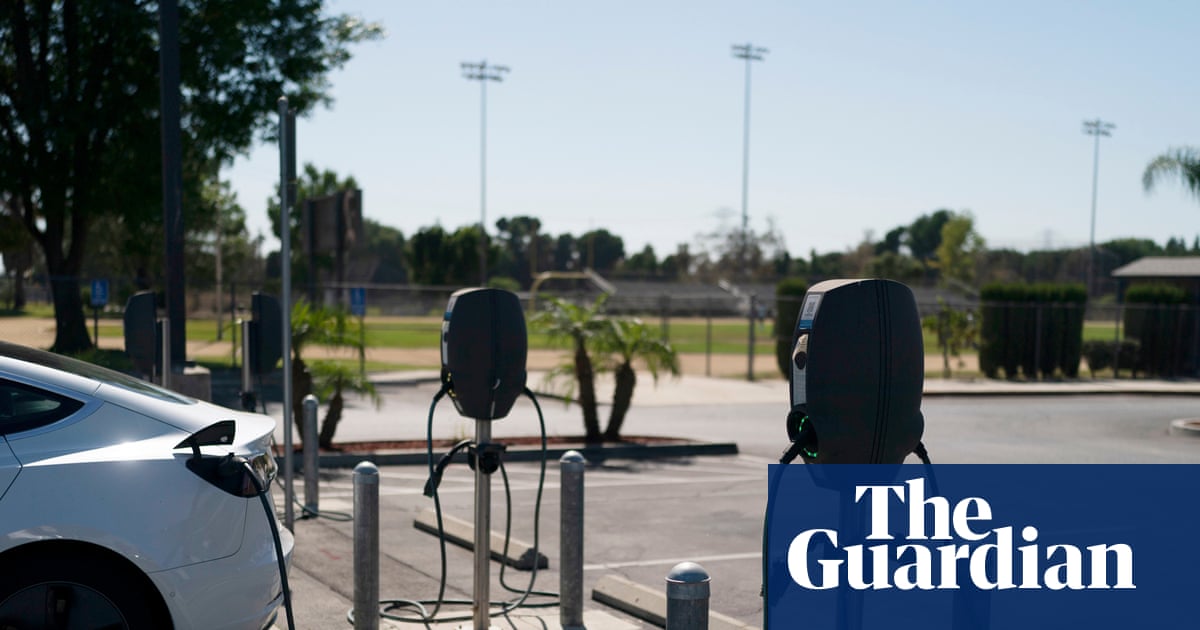
Gasoline Price Surge Drives Renewed Interest in Electric Vehicles in U.S.
WASHINGTON – A spike in gasoline prices following recent U.S. and Israeli military action in Iran is prompting American consumers to reconsider electric vehicles, according to automotive analysts and industry data. The average national price of gas stood at $3.90 a gallon on Friday, the highest level in nearly three years.
The increase stems from disruptions to global oil supplies, exacerbated by the closure of the Strait of Hormuz, a critical waterway for oil transport, by Iran. This has led to a 20% increase in online searches for electric car models in the three weeks since the conflict began, according to car-buying platform CarEdge.
“You saw that within 48 hours of the war starting a spike started – it is directly connected to that news,” said Justin Fischer, an automotive analyst at CarEdge. He anticipates further increases in EV interest if high gas prices persist.
Jessica Caldwell, head of insights at Edmunds, noted a similar trend, with buyers increasingly focused on avoiding fuel price volatility. “Gas isn’t something you can hide from, it’s right in your face,” Caldwell said. “It’s a conversational point for a lot of people.”
However, the shift towards EVs in the U.S. faces headwinds. The country lags behind many other wealthy nations in both EV sales and charging infrastructure. Last year, sales were negatively impacted by a Republican spending bill that eliminated Joe Biden-era incentives for purchasing non-polluting cars. The Trump administration has also rolled back fuel efficiency and pollution emission regulations, encouraging automakers to prioritize gas-guzzling SUVs and pick-up trucks. Several manufacturers, including Ford, Nissan, and Honda, have recently scaled back their EV offerings in the U.S.
Despite these challenges, used EVs are becoming more accessible to budget-conscious consumers. Used Teslas, Chevy Equinoxes, and Nissan Leafs are now available for under $25,000, according to Edmunds. Hybrid vehicles, like Toyota’s Camry and Rav4, are also expected to see increased demand as a bridge for consumers hesitant to fully commit to electric.
New EVs remain comparatively expensive, and their ownership is currently concentrated among wealthier Americans, representing just 7.8% of all car sales last year – a slight decrease from 2024. The Trump administration is also challenging California’s fuel efficiency standards, with U.S. Attorney General Pam Bondi recently announcing a lawsuit against the state over “oppressive, expensive electric vehicle mandates.”
Globally, however, the trend towards EVs is accelerating. EVs account for one in five new car sales worldwide, with some countries, like Norway, nearing a complete transition away from gasoline-powered vehicles. In January, only seven petrol cars were sold in Norway.
Analysts suggest that American automakers recognize the long-term potential of EVs but are currently benefiting from strong sales of traditional vehicles. The inconsistent policy environment in the U.S., with regulations changing with each administration, also hinders long-term planning for manufacturers.
Don Francis, president of the EV Club of the South, acknowledged that range anxiety remains a concern for many potential buyers, but believes a sustained period of high gas prices could be a tipping point. He also expressed concern about U.S. energy independence and the potential for conflicts related to oil, while stating he still supports former President Trump. “Do I like everything (Trump’s) done? No. Do I like most of what he’s done? Yes.”
The Guardian reported on the surge in interest, highlighting the direct connection between the conflict in Iran and consumer behavior.
À ne pas manquer