Strait of Hormuz Shipping at a Near Standstill as Iran Conflict Escalates
DUBAI, United Arab Emirates – The vital Strait of Hormuz, a chokepoint for global oil supplies, is experiencing a near-total disruption of shipping traffic following joint military actions by the United States and Israel against Iran on February 28th. The conflict, which included the killing of Iran’s supreme leader Ali Khamenei, has prompted retaliatory attacks from Iran and raised fears of a wider regional war.
Traffic through the strait has plummeted from a pre-war average of 100 to 35 ships daily to just 89 vessels – including only 16 oil tankers – between March 1st and 15th, according to data from Lloyd’s List Intelligence. Last Saturday, ship passage dropped to zero for the first time on record.
The disruption is already impacting global energy markets, with oil prices surging above $100 a barrel. The strait carries approximately 20% of the world’s oil supply, making its closure a significant threat to the global economy.
Chinese analysts suggest that while U.S. airstrikes may have weakened Iran’s ability to fully blockade the strait, providing a military escort for oil tankers remains too risky in the short term due to the threat posed by drones and mines.
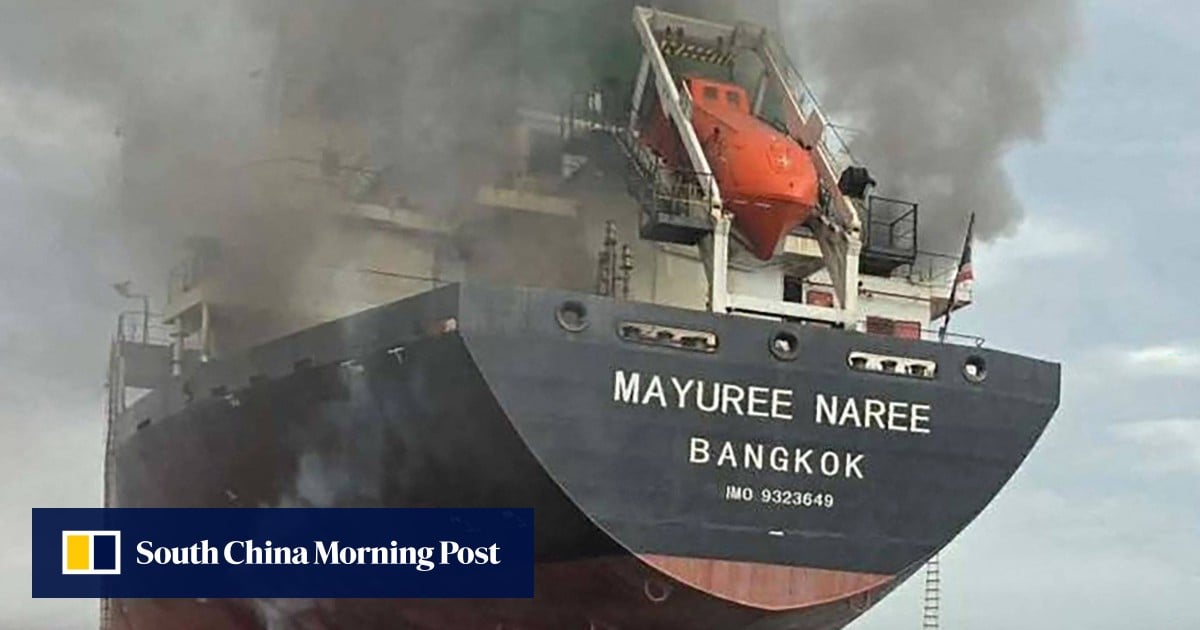
Multiple reports indicate the U.S. considered deploying ground troops to reopen the waterway, but military observers believe this would be insufficient without further, prolonged fighting. Around 20 ships in the region have been attacked since the conflict began, with Iran controlling the northern shore of the strait.
European nations and Japan have signaled their intention to join “appropriate efforts” to open the strait, according to reports from Al Jazeera. The situation remains volatile, and the long-term impact on global trade and energy security remains uncertain.
Sur le même sujet