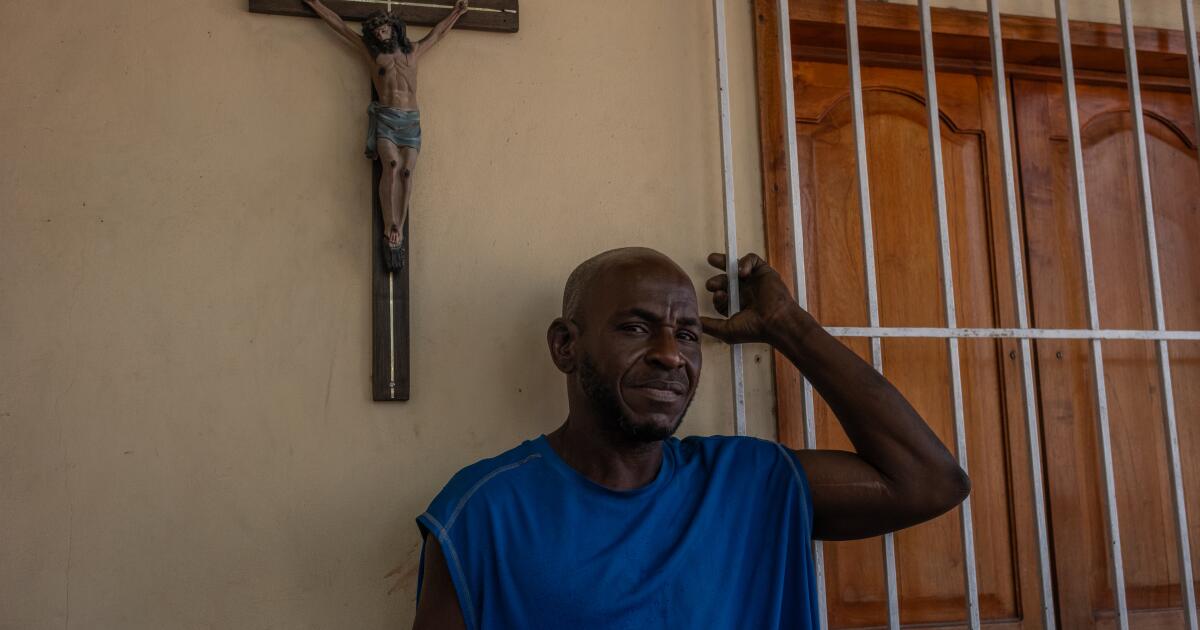
Deported to Uncertainty: U.S. Sends Migrants to Mexico, Leaving Them Stranded and Vulnerable
VILLAHERMOSA, Mexico (AP) – At 2 a.m., a bus carrying dozens of deportees from the United States arrived in this sweltering city in southern Mexico. The Mexican immigration agents who accompanied them delivered a stark reality: they were free to go, deposited in a country many had never known, with little to no support.
Alberto Rodríguez, 73, a Cuban national who spent nearly 50 years in the U.S., limped off the bus, disoriented. “Where am I?” he asked, a question echoing the plight of a growing number of migrants caught in a complex web of U.S. immigration policy and Mexican realities.
The situation highlights a broadening, and increasingly criticized, tactic by the Trump administration: deporting individuals not to their countries of origin, but to nations they merely transited through, or have no connection to. Mexico has become the primary recipient of these “third-country deportees,” receiving nearly 13,000 non-Mexicans during the first 11 months of Trump’s second term, according to Mexican government data. The largest group originates from Cuba, often due to the Cuban government’s reluctance to accept those with criminal records.
This practice has left many in a “quasi-stateless limbo,” according to a recent report by Refugees International. Deportees are often left with limited resources, facing uncertainty about legal status, and vulnerable to violence in cities like Villahermosa, where nine out of ten residents report feeling unsafe.
“They’re dumping people in a dangerous place who are extremely vulnerable,” said Gretchen Kuhner, director of the Institute for Women in Migration.
The deportees arriving in Villahermosa often have long histories in the U.S., many having entered the country years ago, some legally. Some had even been granted protection from deportation due to potential persecution in their home countries. The shift in policy under the Trump administration reversed those protections.
Ricardo del Pino, 67, arrived at a local shelter last summer severely ill. He died of cancer a few months later, his ashes now kept in a niche in the shelter’s chapel, a somber symbol of the human cost of the policy.
The Oasis de Paz del Espíritu Santo Amparito shelter, one of the few resources available, is overwhelmed. Aid workers describe a surge in elderly Cubans with health problems being deported. One resident, an 83-year-old, was reportedly dropped off in a wheelchair.
The situation is further complicated by cuts to U.S. foreign aid, which have reduced Mexico’s capacity to provide assistance. Last year, the Trump administration slashed $2 billion in aid to Latin America and the Caribbean, impacting non-profits and refugee agencies.
Mexican President Claudia Sheinbaum has stated her country accepted these individuals for “humanitarian” reasons, but critics argue Mexico isn’t doing enough to protect them. Andrés Ramírez, a former director of the Mexican Commission for Refugee Assistance, believes Mexico is under pressure to comply with U.S. demands on immigration.
Human rights advocates also claim Mexican officials often fail to inform deportees about their right to seek asylum within Mexico, and that the practice of sending them to potentially dangerous locations violates the principle of “non-refoulement” – the prohibition of returning individuals to places where they face persecution.
Stories of hardship abound. Lázara Santana, 57, who migrated to the U.S. from Cuba at age 11, was deported after decades of annual check-ins with Immigration and Customs Enforcement. She was given a choice of deportation destinations: “You can go to Congo or Mexico.” Now, she lives in a shared room, relying on money sent from her partner in the U.S., and fears leaving her home. “I go to sleep crying, I wake up crying,” she said. “This feels like a nightmare, and I can’t wake up.”
The practice of deporting individuals to third countries has faced legal challenges, but an appeals court recently allowed the Trump administration to continue the policy. The situation leaves a growing number of individuals stranded in Mexico, grappling with an uncertain future and a desperate search for stability.
À ne pas manquer