US Move to Ease Russian Oil Sanctions Draws Criticism as Ukraine War Enters Fifth Year
PARIS (AP) — A temporary easing of US sanctions on Russian oil sales is sparking concern among key allies, including Ukraine and France, who fear it could provide Moscow with a significant financial boost as the war in Ukraine enters its fifth year. Ukrainian President Volodymyr Zelenskyy warned Friday the move could hand Russia approximately $10 billion for its war effort.
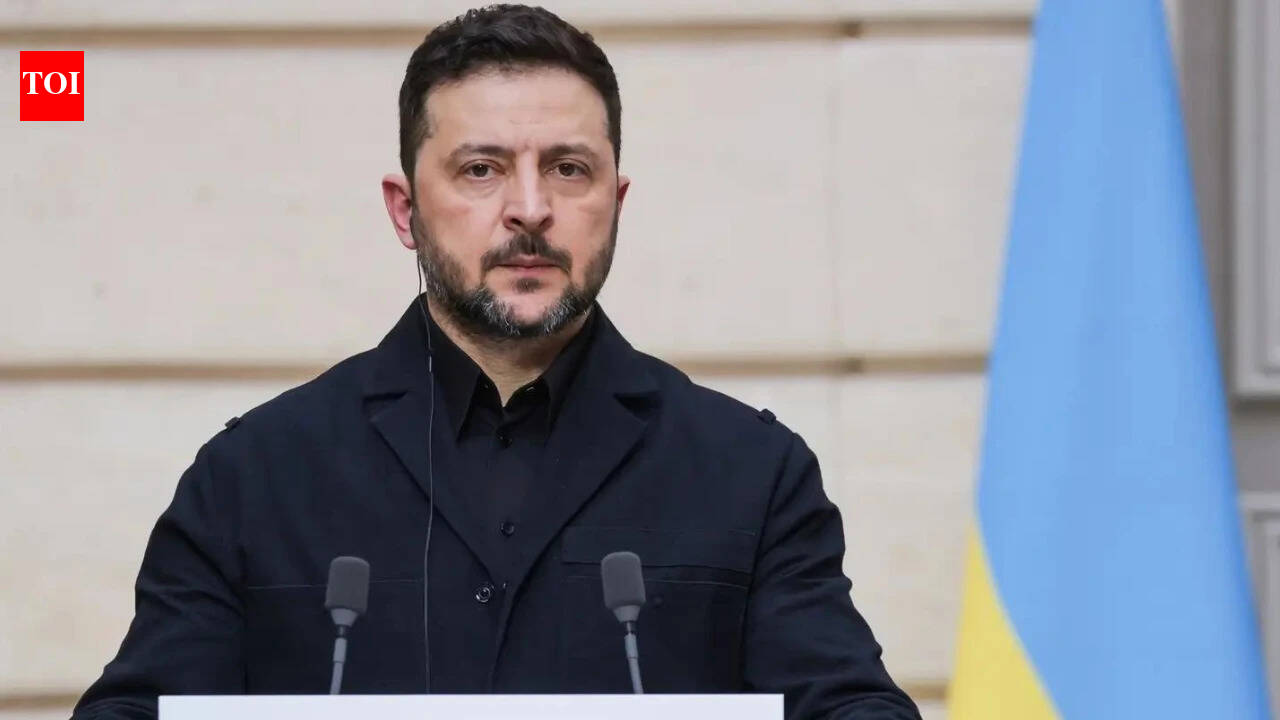
Zelenskyy voiced his concerns during a press conference in Paris alongside French President Emmanuel Macron, stating, “This one concession alone by the United States could give Russia about $10 billion for the war. This certainly does not help peace.”
The US Treasury Department issued a 30-day license, valid through April 11, allowing the purchase of Russian crude oil and petroleum products already loaded on vessels as of March 12. US officials maintain the measure is intended to stabilize global energy markets following price spikes. Washington has stated the move won’t significantly benefit the Russian government. A previous waiver was issued March 5 for India to allow purchases of already-stranded Russian oil.
However, the decision has drawn criticism from European leaders. Macron echoed Zelenskyy’s concerns, stating Russia is “mistaken” if it believes the conflict in the Middle East will lessen international pressure. He added that G7 leaders agreed earlier this week that rising oil prices “must under no circumstances lead us to reconsider our sanctions policy towards Russia.”
German Chancellor Friedrich Merz also criticized the US move, calling it “wrong” regardless of the reasoning.
The debate over sanctions comes as fighting intensifies in Ukraine, with a recent Russian strike near Kupiansk killing three people on a bus. Zelenskyy’s visit to France, his twelfth since Russia’s full-scale invasion in 2022, aimed to increase pressure on Russia, particularly regarding its “shadow fleet” of tankers used to circumvent sanctions.
The situation is further complicated by political friction within Europe, with Hungary blocking a key €90 billion EU loan package for Ukraine and a new round of sanctions against Russia. This dispute is linked to damage to the Druzhba pipeline, which supplies Russian oil to Hungary and Slovakia.
The Kremlin, for its part, argued the Paris meeting would obstruct the peace process and that attempting to pressure Russia is “absurd.”
The US and the International Energy Agency are also releasing emergency oil stocks to try and contain soaring prices. The temporary sanctions relief, announced amid disruptions in the Strait of Hormuz, has created a rift between Washington and its European allies, even as Kyiv warns it risks prolonging the conflict.
À lire aussi