Trump Downplays Economic Fallout as Iran Conflict Escalates
TEHRAN, Iran (AP) – As global oil prices surge past $100 a barrel for the first time since 2022, U.S. President Donald Trump has asserted that any economic repercussions stemming from the ongoing conflict with Iran represent “a very small price to pay” for achieving “world peace.” The statement comes amid continued heavy explosions in the Iranian capital, Tehran, following the naming of Mojtaba Khamenei as the nation’s new supreme leader.
The conflict, which began with “major combat operations” launched by the U.S. and Israel on February 28, has targeted both military and government sites within Iran, according to officials. Iranian state television confirmed the death of Ayatollah Ali Khamenei during the initial strikes.
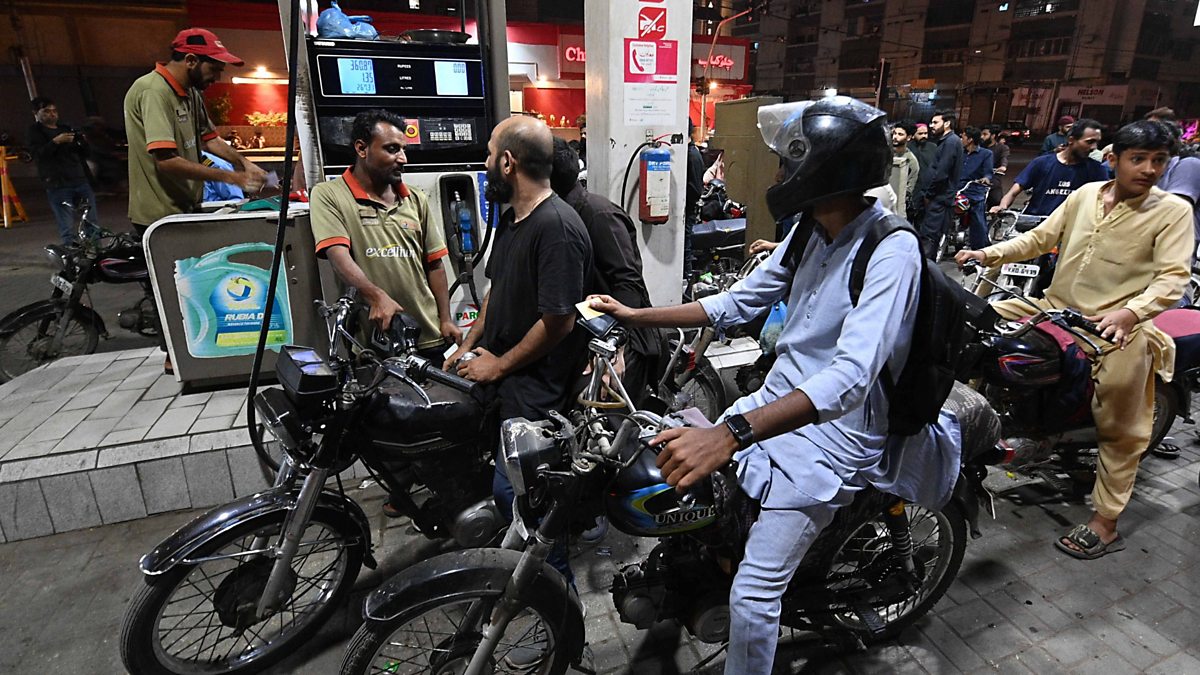
The rising cost of oil is impacting consumers and businesses worldwide, but the administration appears resolute in its approach. Trump’s comments echo a willingness to absorb economic strain in pursuit of broader geopolitical objectives.
Beyond the immediate conflict, regional tensions are further complicated by reports of Ukrainian drone experts being dispatched to the Middle East, at the request of President Volodymyr Zelensky, to assist Gulf states facing attacks from Iran.
Meanwhile, concerns are growing regarding the safety of the Iranian women’s football team after a reported refusal to sing their national anthem during a recent Asian Cup match in Australia – a potential sign of internal dissent.
Elsewhere, in Istanbul, Turkish opposition leader Ekrem Imamoğlu has begun a trial for corruption, a case he claims is politically motivated. And in South Sudan, the world’s youngest nation continues to grapple with instability and the looming threat of renewed civil war.
A recent archaeological discovery offers a lighter note: scientists have unearthed an ancient Egyptian equivalent of correction fluid, providing a glimpse into the practical concerns of scribes from millennia past.
Sur le même sujet
- Aleksandar Vučić visite des cliniques mobiles et salue la croissance économique
- Donald Trump Annonce un Accord pour le Désarmement Total du Hamas à Gaza
- EN DIRECT, guerre en Ukraine : Donald Trump affirme ne pas avoir décidé d’autoriser la production de missiles Patriot en Ukraine (lederniereheure.com)