Trump Sparks Outrage with Pearl Harbor Comparison Amidst Iran Tensions
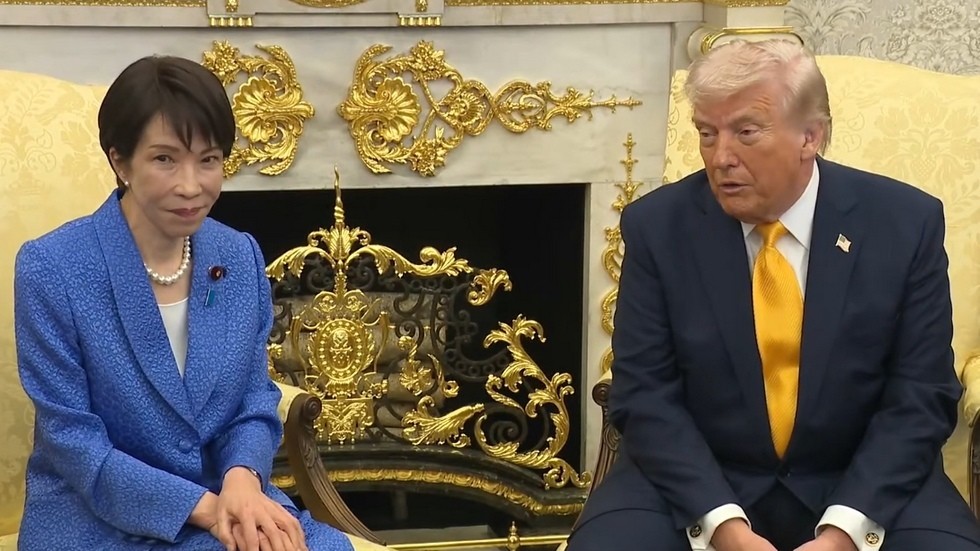
WASHINGTON – U.S. President Donald Trump ignited controversy Thursday, drawing a parallel between the U.S. strikes on Iran and the 1941 attack on Pearl Harbor, in a moment that visibly unsettled Japanese Prime Minister Sanae Takaichi. The remarks came as Trump defended his administration’s decision to not inform allies prior to the military action against Iran, a move that has strained international relations.
Speaking to reporters in the Oval Office, Trump justified the lack of advance notice to Washington’s partners, stating, “We didn’t tell anybody about it because we wanted surprise.” He then turned to Prime Minister Takaichi and asked, “Who knows better about surprise than Japan? Why didn’t you tell me about Pearl Harbor?”
Takaichi did not respond to the comment, appearing taken aback by the President’s remarks.
The comparison to Pearl Harbor, which resulted in the deaths of over 2,400 Americans and propelled the U.S. into World War II, drew immediate criticism. The Wall Street Journal reported that the lack of prior notification to allies was particularly frustrating for Gulf nations who subsequently faced retaliatory strikes from Iran.
Trump’s comments underscore a growing rift between the U.S. and its NATO allies regarding the Iran conflict. He has warned European counterparts that NATO could face a “very bad future” if they do not increase efforts to secure the Strait of Hormuz.
However, European leaders have expressed resistance. German Defense Minister Boris Pistorius stated, “this is not our war,” while EU foreign policy chief Kaja Kallas noted a lack of “appetite” among member states for direct involvement in the conflict.
Trump responded by asserting that NATO is “making a very foolish mistake,” framing the situation as a “great test” of the alliance’s commitment to the U.S.
The incident highlights the Trump administration’s increasingly unilateral approach to foreign policy and its willingness to challenge established alliances. The remarks are likely to further complicate diplomatic efforts to de-escalate tensions in the Middle East.
À lire aussi