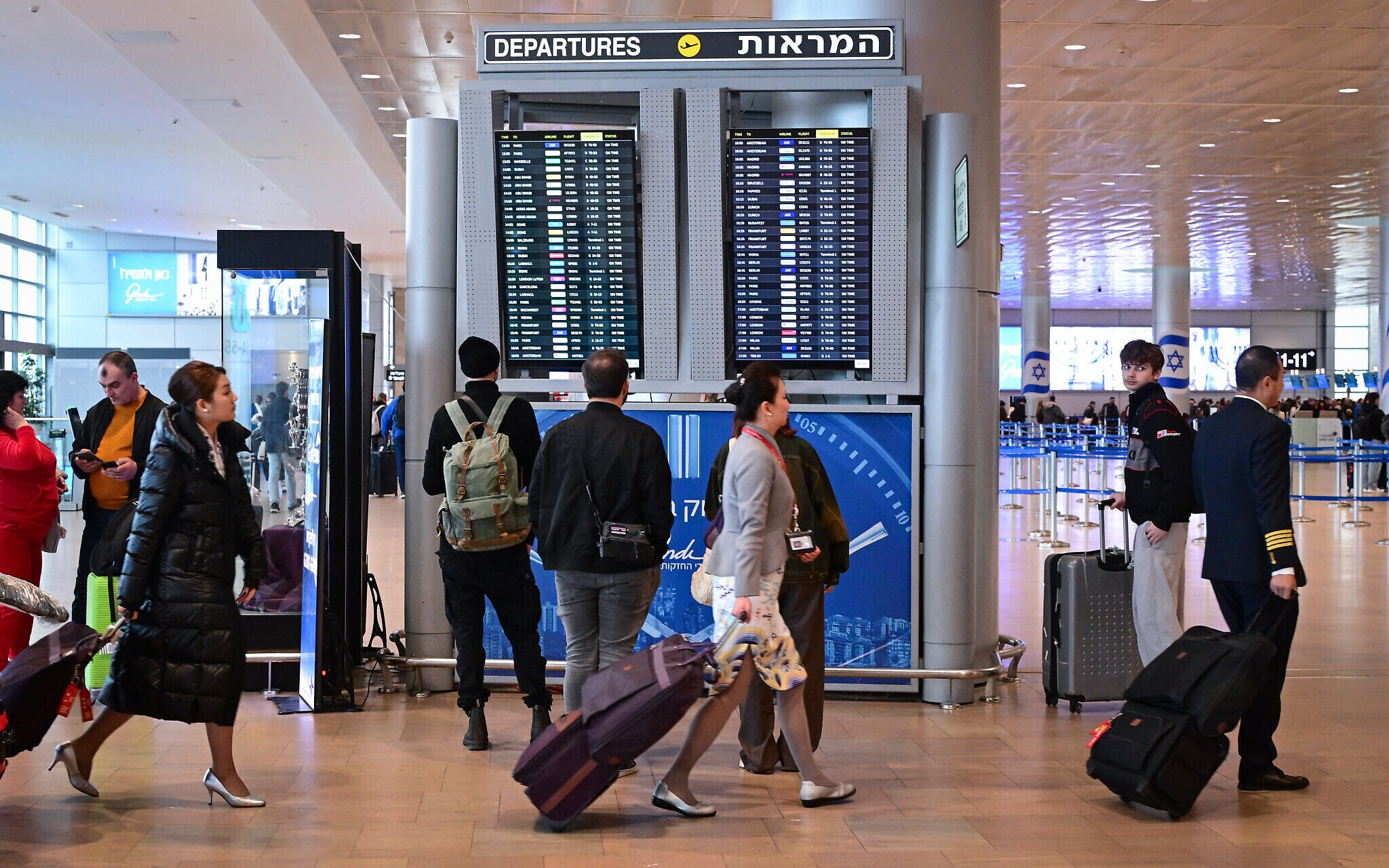
Several Nations Urge Citizens to Avoid Travel to Israel, Iran Amid Rising Tensions
TEL AVIV, Israel – Amid escalating tensions with Iran, the United Kingdom, France, Germany, and Poland have all cautioned their citizens against non-essential travel to Israel and the West Bank. The advisories join similar warnings already issued by the United States and China, reflecting a growing international concern over regional instability.
The UK Foreign Office announced Friday the temporary withdrawal of some embassy staff from Iran, with the embassy continuing to operate remotely. In Israel, diplomatic staff and their families have been relocated from Tel Aviv to an undisclosed location within the country, though the embassy remains operational. The Foreign Office stated the situation “could escalate quickly and poses significant risks.”
France’s foreign ministry reiterated its advice against travel to Israel and the West Bank, urging French citizens already in the region to remain vigilant, identify shelters, and avoid public gatherings. Germany’s foreign ministry strongly discouraged travel to Israel and East Jerusalem, building on existing warnings against travel to Iran.
Poland took the most drastic step, calling on its citizens to immediately leave Israel, Iran, and Lebanon, citing a volatile security situation and the potential for airspace closures that could hinder departures. Italy’s foreign ministry echoed these concerns, urging its citizens to leave Iran and exercising extreme caution throughout the Middle East, particularly in Iraq and Lebanon, both home to Iranian proxy groups.
These warnings come as the region braces for potential retaliation from Iran following a recent exchange of hostilities. US Ambassador to Israel, Mike Huckabee, reportedly advised embassy staff who wished to depart the country to do so “TODAY,” following the conclusion of indirect US-Iran nuclear talks that US President Donald Trump deemed unsatisfactory.
Trump has repeatedly threatened military action against Iran, initially in response to the government’s crackdown on protesters last month and more recently over its nuclear program. The US has increased its military presence in the region, deploying fighter jets to an Israeli air base and positioning the USS Gerald R. Ford aircraft carrier off Israel’s northern coast.
Israel is preparing for the possibility of a direct Iranian attack and potential joint military operations with the United States.
The current tensions recall the 12-day conflict between Israel and Iran in June, during which Iran launched over 500 ballistic missiles and 1,100 drones at Israel, resulting in 32 deaths and over 3,000 injuries. The attacks caused damage to over 240 buildings, including homes, universities, and a hospital, displacing over 13,000 Israelis.
Sur le même sujet