New York’s 1741 Panic: When Fear and Slavery Fueled a Mass Legal Crisis
NEW YORK – In the spring of 1741, a series of fires in New York City ignited not only buildings, but also a wave of fear and accusations that led to a sprawling legal crisis and the executions of dozens, primarily enslaved Africans and poor whites. The events, rooted in societal tensions and wartime anxieties, offer a stark reminder of how easily panic can override justice.
Manhattan in 1741 was a city of roughly 10,000 residents, with nearly one in five being enslaved. This significant African population, coupled with economic hardship and a climate of international conflict, created a volatile atmosphere. Enslaved people worked in urban trades, workshops, and domestic service, while free laborers faced low wages. A particularly harsh winter in 1740, marked by intense cold and food shortages, further exacerbated the strain.
The fires began in the spring, with one notably reaching the home of Governor George Clarke. While fires were not uncommon in a city largely constructed of wood, the context of the time – Great Britain was at war with Spain – fueled suspicions of sabotage. Authorities feared that rival powers might be attempting to incite unrest within the colonies.
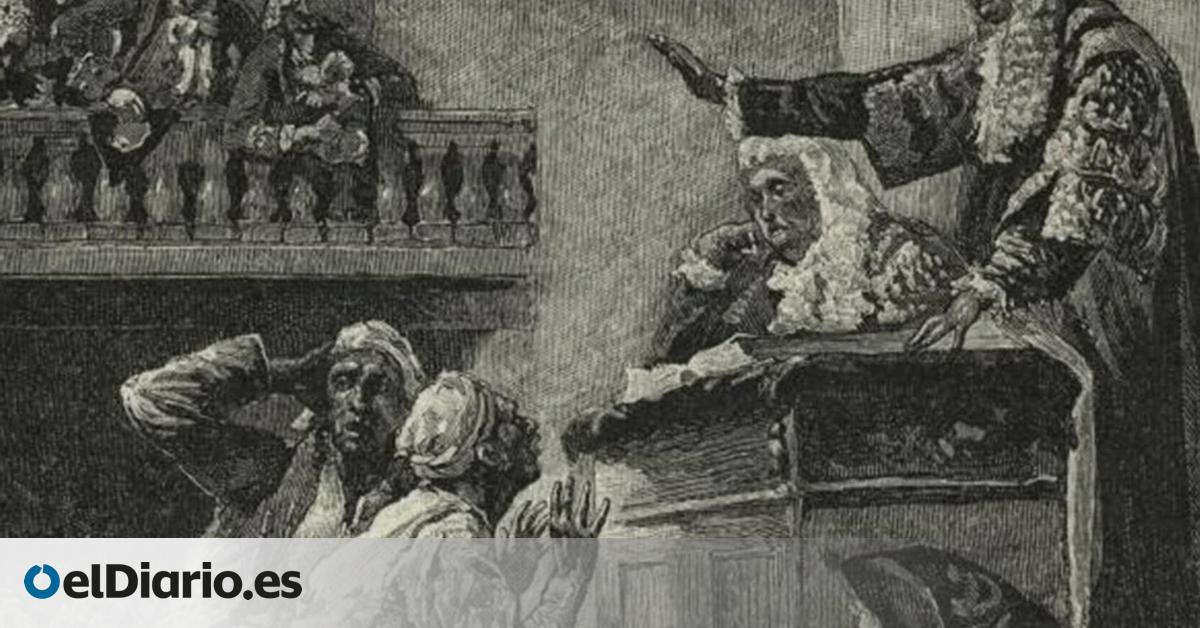
The investigation fell to colonial Judge Daniel Horsmanden, who focused his attention on a tavern owned by John Hughson, a gathering place for enslaved people, soldiers, and the impoverished. A sixteen-year-old serving girl named Mary Burton became a key witness, claiming a conspiracy existed within the tavern to burn buildings and kill colonists.
To encourage testimony, authorities offered rewards: 100 pounds for white witnesses and freedom for enslaved individuals who provided information. This incentive led to a cascade of accusations, many obtained through coercion or threats. Confessions piled up, painting a picture of a widespread plot.
The result was a mass arrest of 152 enslaved people and 20 white individuals. Ultimately, 34 people were executed, including Hughson, with 17 African Americans hanged and 13 burned at the stake. Another 70 enslaved individuals were deported to colonies in the South or the West Indies. Burton herself received her reward and then disappeared.
John Ury, a schoolteacher accused of being a Catholic priest and a spy for Spain, was also caught in the net. He maintained his innocence, claiming to be an Anglican clergyman and a teacher of classical languages. He received no legal counsel and was executed.
Horsmanden later published a defense of the proceedings in 1744, titled A Journal of the Proceedings in the Detection of the Conspiracy. However, many modern historians question whether a genuine conspiracy ever existed, suggesting the events were driven by fear, social tensions, and the prevailing wartime anxieties.
The case remains a chilling example of how easily mass hysteria can lead to injustice, particularly when fueled by existing societal prejudices and political anxieties. The events of 1741 in New York serve as a potent reminder of the fragility of due process and the importance of safeguarding against the dangers of unchecked fear.