Renewable Energy Surpasses Fossil Fuels in EU Electricity Generation for First Time
BRUSSELS – In a landmark shift, renewable energy sources – primarily wind and solar – generated more electricity than fossil fuels within the European Union in 2025, according to a new report by the British think tank Ember. The annual “European Electricity Review” paints a picture of a rapidly evolving European power system, signaling a potential turning point in the fight against climate change.
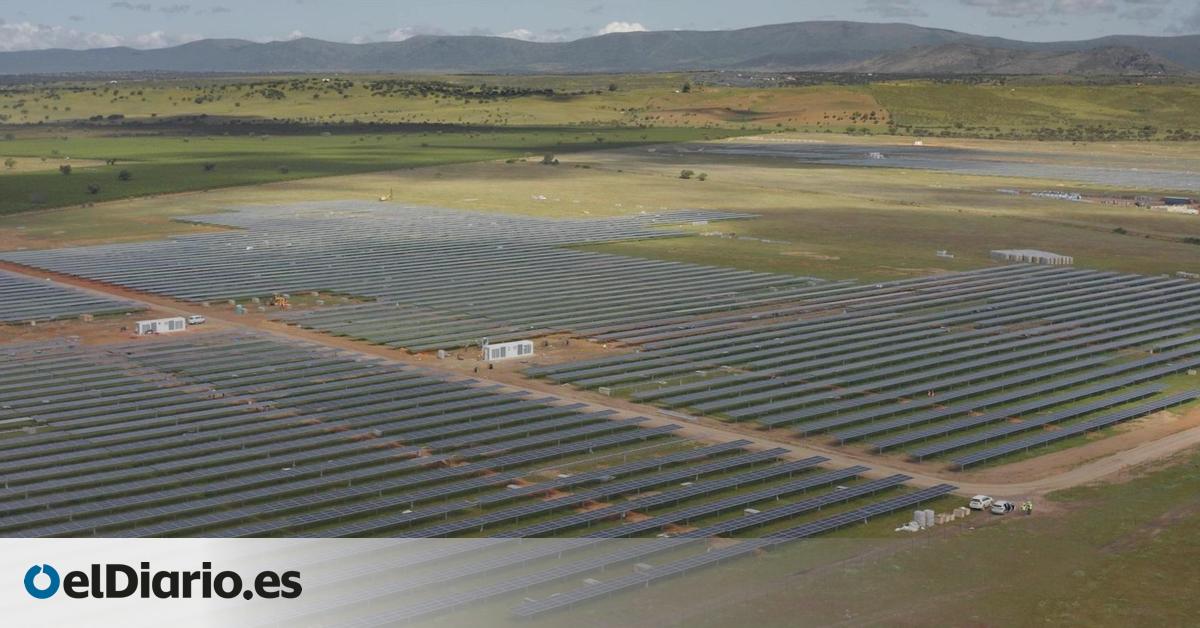
The report reveals that wind and solar combined reached a record 30.1% of the EU’s electricity generation. Solar power spearheaded this growth, experiencing a 20% surge compared to the previous year, reaching 369 terawatt-hours (TWh) – representing 13% of the total European electricity mix. This growth underscores the increasing affordability and accessibility of solar technology.
“2025 represents a massive step towards a clean energy system in the EU, driven by wind and solar,” said Ember analysts. “However, these advances don’t eliminate the risks of energy blackmail from fossil fuel exporters.”
The trend is particularly significant given the geopolitical context. The EU has been striving to reduce its reliance on Russian fossil fuels following the invasion of Ukraine, and the rise of renewables offers a pathway to greater energy independence. The EU reached a political agreement in December 2025 to ban imports of Russian gas by December 2027, a move Ember highlights as crucial.
Across the EU, 14 of 27 member states now generate more electricity from wind and solar than from all fossil fuels combined. The overall share of renewables – including hydro, biomass, and other sources – reached 47.7% in 2025, a slight dip from 2024 primarily due to reduced hydropower output. Nuclear power remained the largest single source, contributing 23.4% with a 3% production increase.
However, the transition isn’t without challenges. Gas-fired power generation increased by 8% to 466 TWh, accounting for 15.7% of the electricity mix, largely due to lower hydropower availability. This increase drove up import costs for the fuel by 16% to €32 billion, the first annual rise since the 2022 energy crisis. Price spikes were also observed during periods of high gas usage, with average prices 11% higher than in 2024.
Spain Leads the Way
Spain is emerging as a frontrunner in the renewable energy transition. Wind and solar accounted for 42% of the country’s electricity generation in 2025, with solar reaching a record 22% share. Spain is one of five EU countries – alongside Hungary, Cyprus, Greece, and the Netherlands – where solar power contributed over 20% of electricity.
Despite progress, Ember notes that Spain’s battery storage capacity remains low relative to its installed wind and solar capacity, though project portfolios are reaching record levels.
The report also points to a recent incident – an Iberian power outage – as a catalyst for regulatory changes. The need for grid flexibility and the ability of renewables to provide grid services, as already implemented in Portugal, are now being addressed in Spain.
Geopolitical Concerns and Future Outlook
The report underscores the EU’s growing dependence on Liquefied Natural Gas (LNG) from the United States, a situation recently criticized by former U.S. President Donald Trump during the World Economic Forum in Davos. Trump questioned European energy policies and accused the EU of pursuing a “climate scam.”
Ember warns that reliance on a single supplier poses risks to EU energy security and weakens its negotiating position. The think tank emphasizes the importance of expanding battery storage, improving grid infrastructure, and increasing demand-side flexibility to unlock further potential for wind and solar power.
“Investing in indigenous renewables is a key strategy to reduce that risk, while geopolitics continues to destabilize,” the report concludes. The findings align with recent calls from European military and energy experts to recognize renewable energy investments as contributing to national defense spending.
Datawrapper Chart: La eólica y solar superan por primera vez a los fósiles en Europa
Datawrapper Chart: Así ha cambiado la generación eléctrica en Europa en 35 años