Land Rights Key to Combating Global Food Insecurity, Experts Say
ROME – Secure land tenure is crucial to reversing widespread land degradation and bolstering global food security, according to a recent analysis by Inter Press Service. The issue, highlighted in a report published Wednesday, underscores a fundamental link between a farmer’s ability to own and invest in land, and the long-term health of agricultural ecosystems.
The analysis points to a warning from nearly a century ago, when Pearl S. Buck, in her novel The Good Earth, observed that the ability to “hold your land” was essential for survival. That principle remains strikingly relevant today, experts say. When farmers are confident in their long-term access to land, they are more likely to invest in sustainable practices. Conversely, insecurity leads to short-sighted exploitation of resources.
Globally, land degradation currently affects areas inhabited by 1.7 billion people, reflecting a systemic lack of investment in land management. However, reforming and enforcing land tenure rights offers a powerful, and potentially transformative, solution.
“When farmers own land, they invest in it. When they don’t, they extract what they can today without thinking of tomorrow,” explained Máximo Torero, author of the IPS report.
The problem is particularly acute in sub-Saharan Africa, where customary land systems often lack formal recognition, leaving communities vulnerable to encroachment, disputes, and limited access to financial services. More than 1.1 billion people worldwide currently fear losing their land rights in the next five years, a concern exacerbated by economic pressures and displacement.
Evidence from Ghana and Malawi demonstrates a clear correlation between secure land tenure and investment in land restoration, water management, and other productivity-enhancing practices. Farmers with insecure tenure are significantly less likely to make these long-term investments, fearing they may not reap the benefits. Without land as collateral, accessing credit and insurance also becomes significantly more difficult.
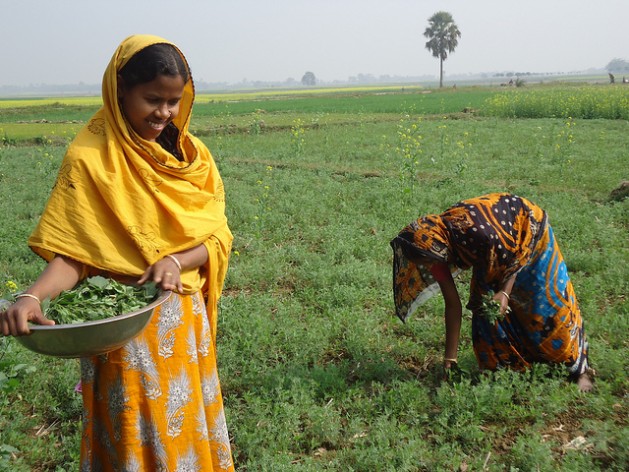
The report also highlights the disproportionate impact of insecure land rights on women, who comprise half of the world’s smallholder producers. Globally, women hold only 15% of agricultural land and are vulnerable to losing their rights in cases of divorce or the death of a spouse. This lack of secure access reinforces cycles of poverty and vulnerability.
The issue extends beyond individual livelihoods, contributing to broader instability. In Colombia, unresolved land claims following the country’s conflict have fueled tensions over agricultural expansion into forested areas. Similar disputes are emerging in parts of Africa, where weak legal frameworks and insecure claims create vulnerabilities, particularly during large-scale land acquisitions.
Recognizing the urgency of the situation, approximately 70 countries have initiated land policy reforms since 2012, following UN endorsement of principles protecting legitimate tenure rights, including customary ones. However, translating these legislative changes into tangible improvements on the ground remains a challenge. Dispute resolution systems often remain weak, and the rights of women, Indigenous Peoples, and those operating under customary land systems are inconsistently recognized.
Reversing even 10% of degraded cropland could feed an additional 154 million people annually, according to the analysis. Without intervention, the world could face a farmland deficit twice the size of India by 2050.
While secure land tenure is a critical step, it is not a panacea. The largest 1% of producers control half of global farmland, and many operate intensive production models that can accelerate land degradation if not accompanied by robust environmental safeguards. Effective regulation, targeted incentives, access to finance, and strong institutional capacity are all essential components of a sustainable solution.