Germany Withdraws Legal Support for Israel in ICJ Genocide Case
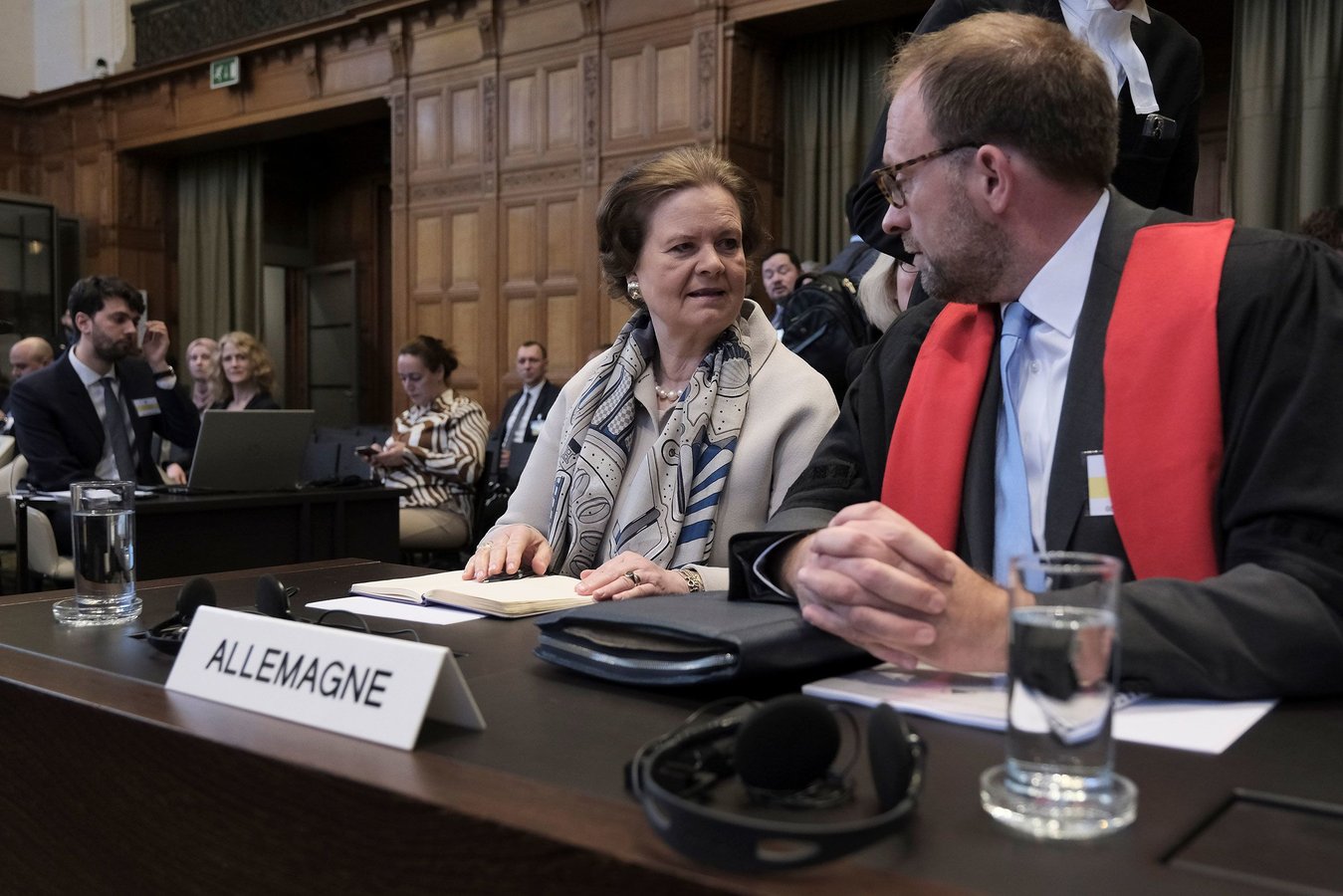
Berlin – In a significant shift, Germany has withdrawn its legal backing for Israel at the International Court of Justice (ICJ) as the court hears arguments in a case alleging genocide related to Israel’s military campaign in Gaza. The move comes as Germany itself faces legal scrutiny for allegedly aiding actions that could constitute genocide.
For months, Germany was a staunch defender of Israel against accusations of genocide at the ICJ, brought forth by South Africa. However, Berlin’s position has evolved as it navigates its own legal challenges. Nicaragua has accused Germany of complicity in potential genocide by continuing arms exports and political support to Israel.
The ICJ acknowledged the seriousness of the allegations made by South Africa, noting the risk of irreparable harm to Palestinians and ordering preventative action. While Germany maintains its actions comply with international law, and that many of its arms exports are defensive, the legal defense is facing increasing scrutiny.
This shift reflects a broader fracturing of Western unity regarding Israel, fueled by legal challenges, public protests, and growing evidence of a humanitarian catastrophe in Gaza. The situation is further complicated by restrictions on worship at Al-Aqsa Mosque during Eid, amplifying tensions across the Muslim world.
Analysts suggest Germany is grappling with a dilemma between its historical commitment to Israel’s security and its obligations under international law. Continuing support for Israel risks undermining its credibility as a defender of human rights, while distancing itself could have domestic and geopolitical repercussions.
The case has resonated particularly strongly with countries in the Global South, who view it as a test of whether international law applies equally to all nations. The situation has become a rallying point for calls to reform what critics describe as a Western-dominated system of global governance.
The integration of artificial intelligence into warfare is also adding a layer of complexity. Experts warn that AI-driven targeting systems are accelerating conflict and raising ethical concerns about accountability.
While the ICJ has not yet issued a final ruling, the very fact that genocide claims have been deemed plausible marks a turning point. The outcome of the case will likely shape not only the future of the conflict but also the integrity of the global legal order.
The narrative has changed, with the term “Gaza genocide” now firmly embedded in the legal discourse at the world’s highest court, reflecting both the gravity of the allegations and the growing influence of nations outside the traditional Western sphere.