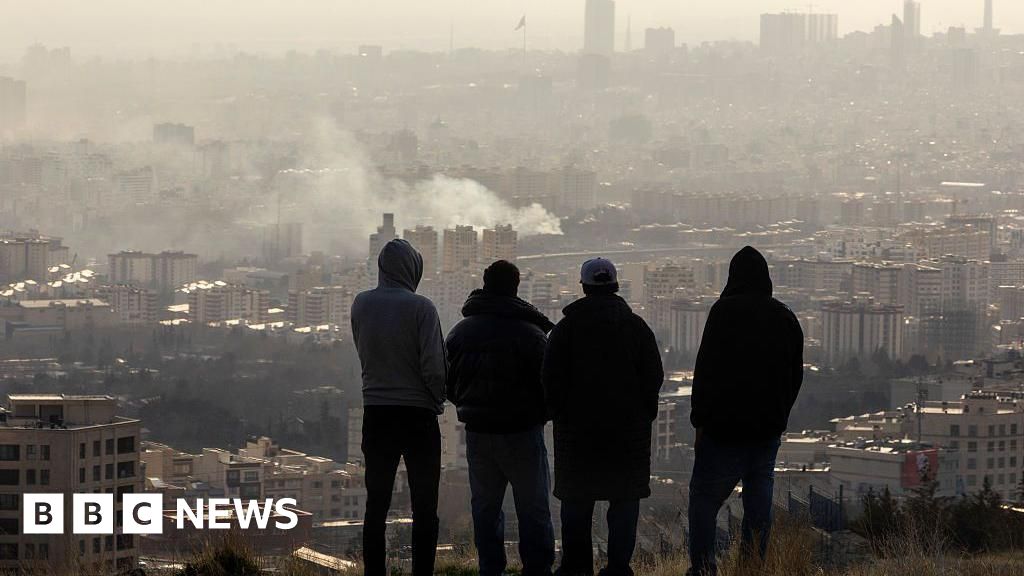
Iran Grapples with Uncertainty as Conflict Enters its Second Week
TEHRAN, Iran – As the war with Israel and the United States enters its second week, ordinary Iranians are reflecting on a rapidly changing reality and an increasingly uncertain future. The conflict, which began with joint air strikes on February 28, 2026, aimed at regime change, has brought a new level of anxiety and disruption to daily life across the country.
The initial strikes targeted key infrastructure, but the conflict has since broadened, impacting civilian areas and prompting widespread concern. President Donald Trump has taken a hard line, stating there will be no deal with Iran until “surrender,” according to reports from Al Jazeera.
The mood on the streets is a mix of fear, resignation, and defiance. While official government statements project strength and resolve, conversations with residents reveal a growing sense of vulnerability. Many express frustration with the ongoing political tensions and the economic hardship that has long plagued the nation, now exacerbated by the war.
The conflict’s impact is being felt acutely by families. Disruptions to supply chains are leading to shortages and rising prices for essential goods. The war’s progression has prompted international concern, with observers noting the potential for wider regional instability.
The United States, according to reports from ABC News, was operating in the area of a school prior to a recent strike, a detail that has fueled further scrutiny of the military operations. This has raised questions about the targeting protocols and the potential for civilian casualties.
The future remains deeply unclear. With Trump’s uncompromising stance and the ongoing military actions, many Iranians are bracing for a prolonged conflict. The question on everyone’s mind is not just how the war will end, but what kind of Iran will emerge from the ashes.
À ne pas manquer