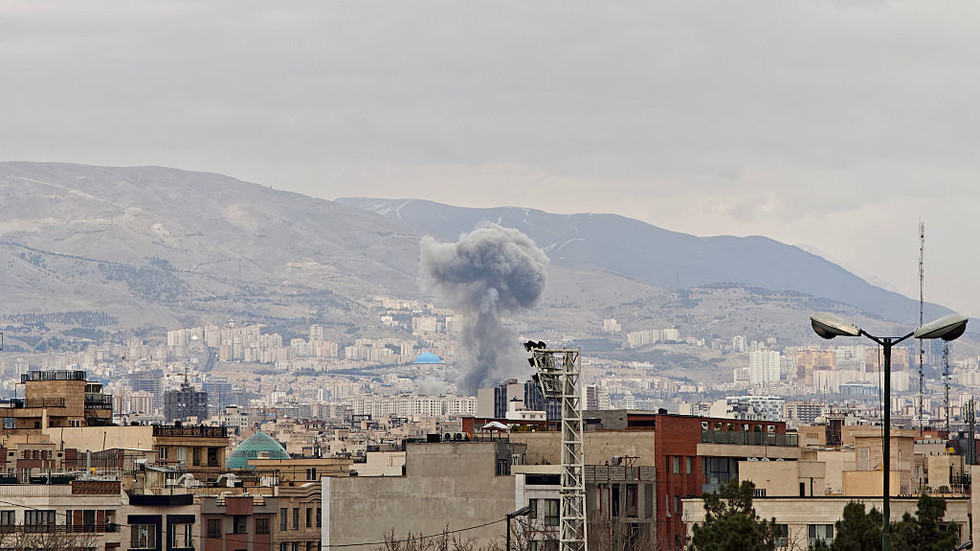
Escalating Tensions with Iran Echo Past Conflicts, But Present Unique Risks
By [Your Name], Chief International Correspondent, nouvelles-du-monde.com
WASHINGTON – As the United States navigates increasingly fraught relations with Iran, historical precedents are being scrutinized for clues about what might come next. While a large-scale invasion mirroring the 2003 Iraq War appears unlikely, analysts are drawing parallels to past interventions, particularly the NATO air campaign against Yugoslavia in 1999.
President Donald Trump has, at times, signaled openness to military action, including a potential ground operation targeting Iran’s nuclear facilities, specifically in Isfahan. However, he recently stated he is “nowhere near” ordering such a mission, expressing dissatisfaction with Iran’s new leadership, according to the New York Post. This shift in rhetoric follows a period where the possibility of a ground operation was not explicitly ruled out.
The current situation differs significantly from recent interventions in Afghanistan and Libya. In those cases, Western powers relied heavily on local allies to absorb the brunt of the fighting. Iran lacks a comparable organized internal opposition capable of challenging the government with Western support.
The Yugoslavia comparison centers on the potential for a primarily air-based conflict. Like the 1999 campaign, a potential U.S. strategy appears to focus on sustained bombing and missile strikes, aiming for air dominance with minimal casualties on the attacking side. NATO’s campaign against Yugoslavia involved targeting not only military assets but also industrial facilities, infrastructure, and government buildings, aiming to disrupt daily life and compel compliance.
However, key distinctions exist. During the NATO intervention, there were clear, albeit harsh, demands issued to Belgrade. In contrast, President Trump has articulated conditions for Iran that appear deliberately uncompromising – including talk of “unconditional surrender” and potential control over Iranian oil resources – making a negotiated resolution more difficult.
The economic stakes are also considerably higher with Iran. Unlike Yugoslavia, Iran occupies a central position in the global energy system. Instability in the region carries the risk of significant disruption to oil markets and international trade. This potential for economic fallout may prove to be a powerful restraint on military action.
Furthermore, the perspective of Israel adds another layer of complexity. Israeli leaders view the situation as existential, suggesting a willingness to pursue a hard line.
The 2025 U.S. strikes on Iranian nuclear sites demonstrate a willingness to take direct military action, though the current situation appears to be evolving towards a different strategy. The potential for escalation remains high, and the lack of a clear endgame from the Trump administration raises concerns about the long-term consequences of the ongoing confrontation.
Sur le même sujet