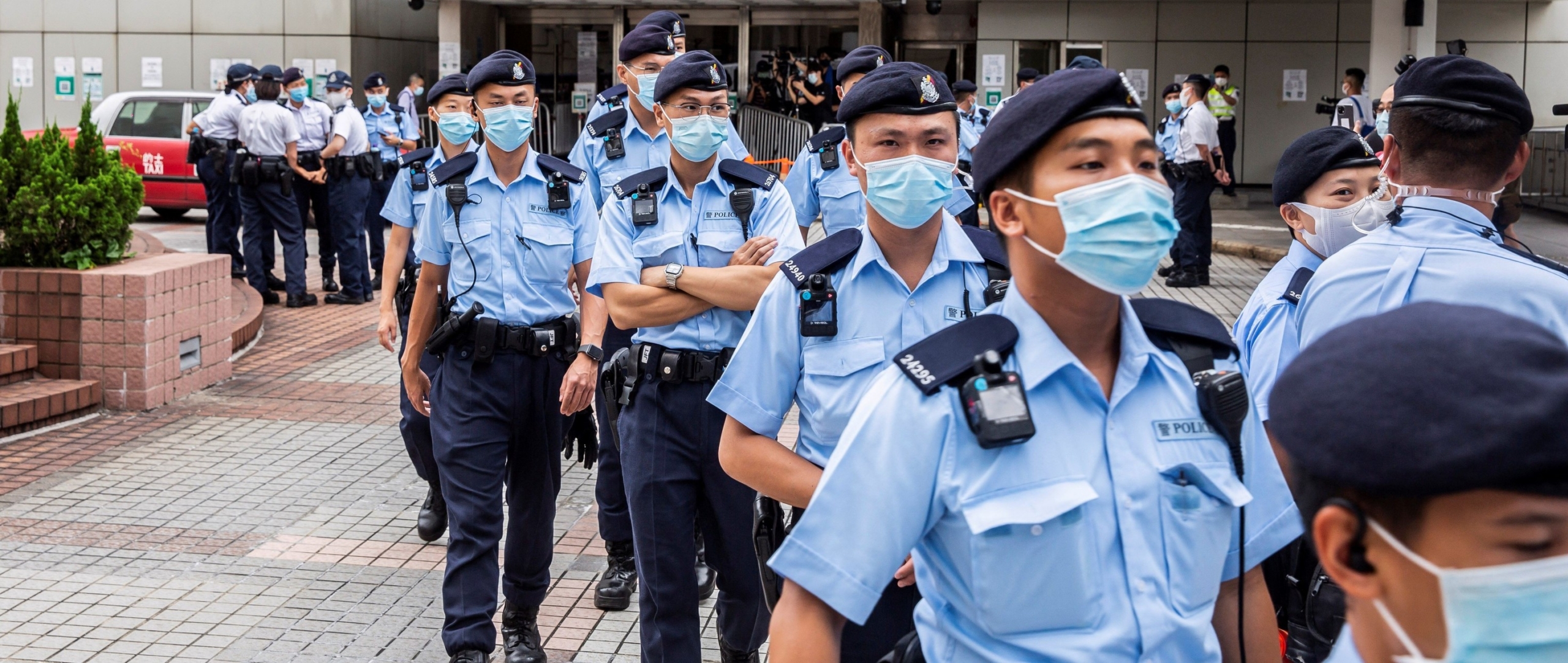
HONG KONG (AP) — Hong Kong’s Court of Appeal on Monday rejected the appeals of 12 defendants in the “Hong Kong 47” case, a mass prosecution stemming from pro-democracy primaries held in 2020, prompting condemnation from Amnesty International. The ruling underscores a deepening crackdown on dissent in the city, activists say, particularly since the introduction of a sweeping national security law and subsequent legislation.
The “Hong Kong 47” refers to 47 opposition figures initially charged with “conspiracy to commit subversion” under the Beijing-imposed National Security Law, enacted in June 2020. Thirty-one pleaded guilty, while 16 pleaded not guilty, with two ultimately acquitted. The charges relate to the organization and participation in unofficial “primaries” intended to select candidates for the 2020 Legislative Council elections, which were later postponed citing COVID-19 concerns. Authorities subsequently implemented a new electoral system with strict vetting procedures for candidates.
Amnesty International’s Hong Kong Overseas spokesperson, Fernando Cheung, called the court’s decision “a missed opportunity to correct this mass injustice.” He argued that none of the defendants committed an internationally recognized crime, stating they were being punished for exercising fundamental rights to freedom of expression, association, and political participation.
“The court’s dismissal of these appeals underlines the grave state of human rights in Hong Kong and once again demonstrates the politically motivated nature of the Hong Kong 47 case,” Cheung said in a statement.
Concerns are growing over the application of Hong Kong’s Safeguarding National Security Ordinance, often referred to as “Article 23,” introduced in March 2024. Amnesty International reports that at least eight defendants in the “Hong Kong 47” case have been denied early release, despite previously demonstrating good conduct, based on newly invoked “national security” justifications. Prior to the law’s enactment, prisoners were generally eligible for early release after serving two-thirds of their sentences.
The use of “Article 23,” like the National Security Law, is being “weaponized to impose additional punitive and retroactive measures against dissidents,” Cheung added, effectively silencing opposition even within prison walls.
The case highlights the erosion of freedoms in Hong Kong following the imposition of the National Security Law, which critics argue has been used to suppress dissent and curtail political opposition. The 2014 Hong Kong protests, also known as the Umbrella Revolution, demonstrated earlier calls for greater democracy in the region.
À ne pas manquer