Gaza’s Tunnels: A Glimpse into Hamas’s Infrastructure and a Bleak Future for Residents
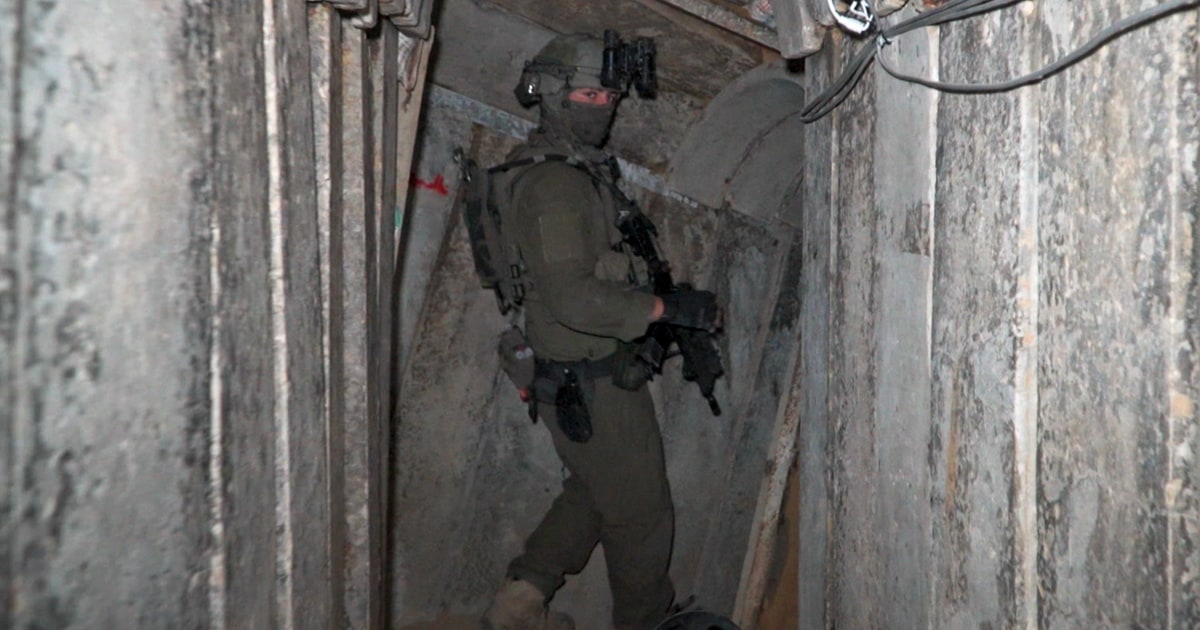
GAZA/JERUSALEM – Crossing into northern Gaza reveals a stark contrast to the Israeli border region: paved roads give way to destruction and dirt tracks, a visual testament to the ongoing conflict. Israeli forces are meticulously uncovering a vast network of tunnels beneath the enclave, a subterranean infrastructure Hamas has used to maintain a foothold despite intense military pressure.
According to Lt. Col. Nadav Shoshani, a spokesperson for the Israel Defense Forces (IDF), the tunnels are extensive, potentially stretching between 300 and 600 miles. “The more you search, the more you find things you didn’t know about,” Shoshani stated, adding that dismantling these tunnels is a prerequisite for any reconstruction efforts, linking the operation to President Donald Trump’s peace plan for Gaza.
The discovery of amenities within the tunnels, including bathrooms, raises questions about priorities. Shoshani alleged that Hamas fighters sheltered their families within the tunnels, a privilege not extended to the general Gazan population above ground. NBC News has not independently verified this claim.
The conflict began on October 7, 2023, when Hamas launched a surprise attack on Israel, resulting in the deaths of approximately 1,200 Israelis and foreign nationals and the abduction of over 240 hostages. Israel’s subsequent military campaign has resulted in over 72,000 Palestinian deaths, according to health officials in Gaza.
A temporary boundary, dubbed the “yellow line” – demarcated by concrete blocks – now divides the enclave, with just over half of the territory still under IDF control. This line, intended as a temporary measure, has become a point of contention, with reports of Palestinians being shot by Israeli forces after approaching it. The IDF denies accusations of repeatedly crossing and moving the blocks inward.
The human cost of the conflict is immense. Iman Khzeiq, 70, displaced from her home in Shujaiya, now cares for her six orphaned grandchildren in a tent in Gaza City. “Their father was killed,” Khzeiq said, adding that the children now spend their days searching for basic necessities instead of attending school. Despite the hardship, she remains determined to stay near their former home, “even if we live on the rubble.”
Hamas remains present in Gaza, and its fighters have not yet disarmed, a key requirement of Trump’s peace plan, Shoshani confirmed. The IDF maintains its commitment to defending Israel until Hamas relinquishes its weapons. The situation underscores the complex challenges facing Gaza and the long road to recovery for its residents.
À ne pas manquer