Southeast Asia faces a growing, if subtle, increase in nuclear risk despite maintaining a decades-old commitment to being a nuclear-weapon-free zone, experts say. The shifting dynamics aren’t necessarily about nations openly pursuing bombs, but rather a confluence of factors – expanding military capabilities, interest in civilian nuclear power, and the intensifying rivalry between the United States and China – that are eroding the region’s insulation from nuclear dynamics.
The 1995 Bangkok Treaty established the Southeast Asia Nuclear Weapon-Free Zone, prohibiting the development, possession, and deployment of nuclear weapons by member states. However, the treaty’s effectiveness is being tested by evolving geopolitical realities.
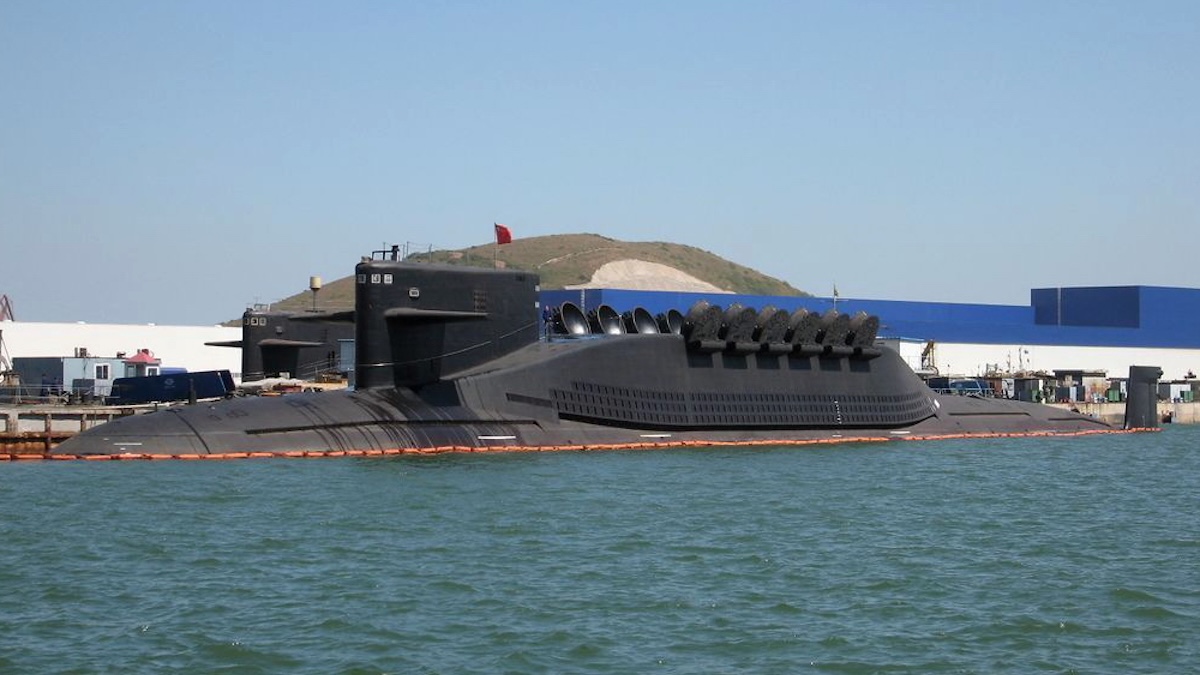
A key concern is the increasing presence of nuclear-powered naval assets in the South China Sea. China’s reported deployment of ballistic missile nuclear submarines, coupled with sustained U.S. naval presence and freedom of navigation operations, are transforming the region into a theater of “nuclear-adjacent competition,” according to a recent analysis by the Stimson Center.
“The consequence is a region that must navigate nuclear-powered deployments not of its own making, amid transparency gaps and uneven political consent,” notes Hely Desai, a visiting research fellow at the Henry L. Stimson Center, in a report published by War on the Rocks.
The situation is further complicated by developments in Northeast Asia. Concerns over the credibility of extended deterrence commitments from the U.S. are prompting allies like South Korea and Japan to consider hedging strategies, including expanding their own fuel-cycle capabilities. The recent U.S. approval for South Korea to develop nuclear-powered submarines, alongside support for uranium enrichment and reprocessing, has raised proliferation anxieties. While these actions are technically compliant with the Nuclear Non-Proliferation Treaty, they blur the line between civilian and military applications of nuclear technology.
Southeast Asian nations are also reassessing their stance on civilian nuclear power. Driven by energy security concerns and decarbonization commitments, countries like Indonesia, Vietnam, and the Philippines are exploring nuclear energy and related technologies. While proponents tout the benefits of small modular reactors, concerns remain about regulatory capacity, safeguards, and potential strategic dependencies.
The convergence of these trends – naval deployments, evolving capabilities in Northeast Asia, and renewed interest in civilian nuclear power – creates a structural risk. It’s less about an immediate threat of proliferation and more about a gradual erosion of the norms and barriers that have long kept Southeast Asia insulated from nuclear dynamics.
Desai argues that the region needs to modernize its approach to non-nuclear commitments, prioritizing strong domestic regulation, rigorous safeguards, and regional crisis mechanisms to address external nuclear activity. The challenge lies in adapting a decades-old non-proliferation regime to a rapidly changing strategic environment.
The Southeast Asian Nuclear Weapon-Free Zone treaty, while still relevant, faces challenges related to Article 2 of its protocol, which requires nuclear-weapon states to refrain from using or threatening to use nuclear weapons within the zone. Nuclear-weapon states have often hesitated to fully endorse these provisions, citing concerns about their deterrence operations and naval flexibility.
À ne pas manquer