
Campus Protests and the New Battlefield for Free Speech: How Trump’s Crackdown Is Reshaping Universities Worldwide
Two years after October 7, 2023, transformed college campuses into battlegrounds for free speech and academic freedom, the Trump administration’s aggressive targeting of student activists—especially noncitizens—has reached a tipping point. A landmark lawsuit by the Middle East Studies Association (MESA), the American Association of University Professors (AAUP), and the Knight First Amendment Institute exposes a pattern of repression that threatens to silence dissent on campuses across the United States and beyond. As federal agents detain students like Rümeysa Öztürk without evidence of wrongdoing, scholars and activists warn of a dangerous escalation in the weaponization of civil rights laws to suppress pro-Palestinian speech.
From Protests to Repression: The Campus Uprising and the Government Response
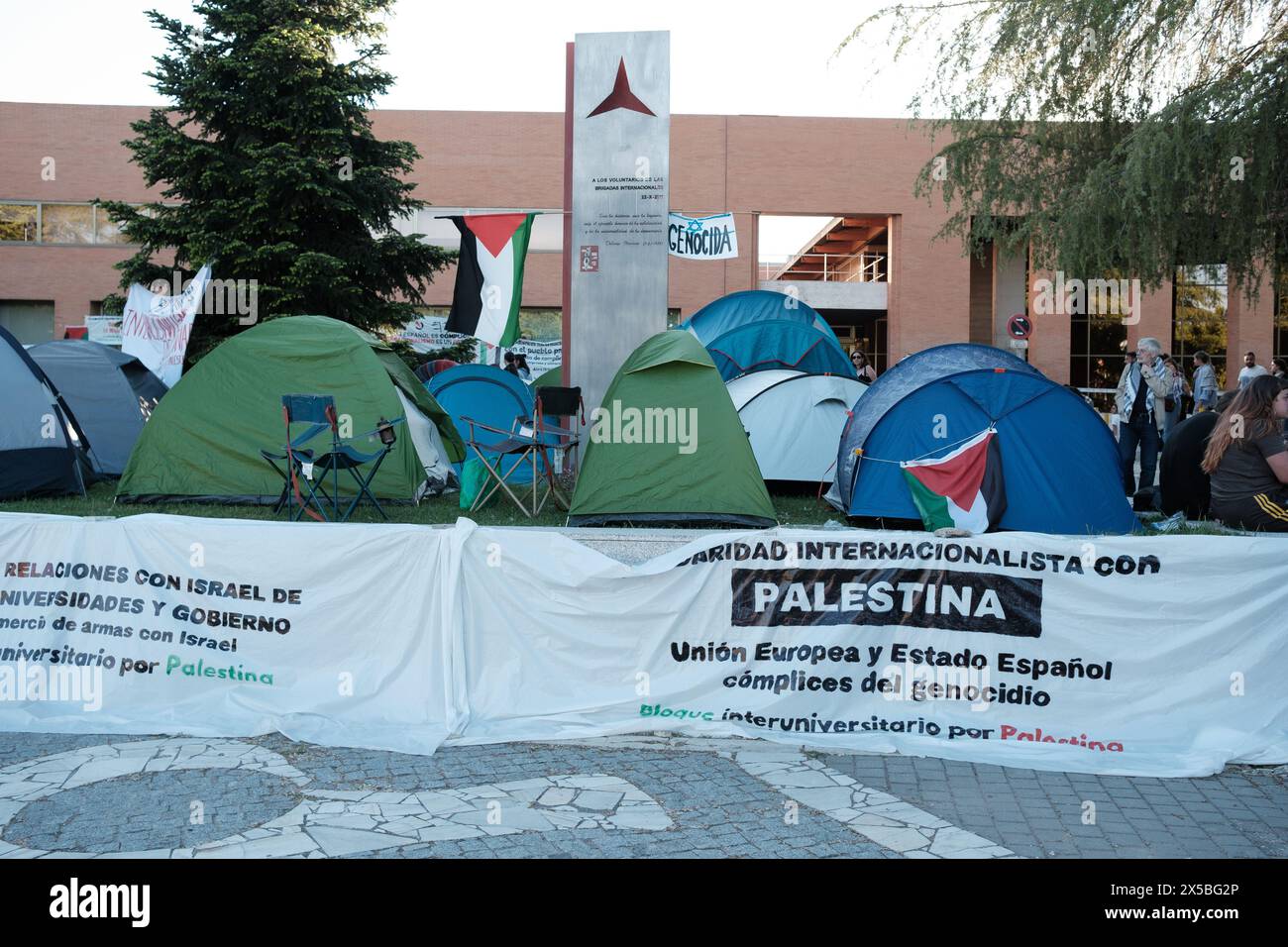
The mass mobilizations of 2023–2024, sparked by Israel’s military actions in Gaza, saw students across the United States and Europe establish encampments, demand divestment from companies linked to the Israeli occupation, and challenge university policies perceived as complicit in human rights abuses. According to a Washington Post analysis, over 2,000 arrests were made in the first two weeks of campus protests alone—a scale not seen in decades. The movement quickly expanded beyond the U.S., with similar demonstrations erupting in Europe and the Middle East.

But the response from government officials, university administrators, and pro-Israel lobbies has been swift and coordinated. In the U.S., the Trump administration has increasingly targeted noncitizen students and faculty, using immigration laws to silence critics of Israel. The case of Rümeysa Öztürk, a PhD student and Fulbright scholar, is emblematic. On March 25, 2025, Öztürk was arrested and detained by federal immigration agents while breaking her Ramadan fast with friends. Despite the lack of evidence linking her to antisemitism or terrorism, the administration publicly branded her a national security threat. Newly unsealed court documents reveal that officials admitted they could not substantiate these claims, yet proceeded with her detention anyway.
MESA’s Lawsuit: A Fight for Free Speech on Campus
In response to this crackdown, MESA, the largest scholarly association devoted to the study of the Middle East and North Africa, joined forces with AAUP and the Knight First Amendment Institute to sue the Trump administration. The lawsuit challenges the government’s policy of targeting noncitizen students and scholars for their pro-Palestinian speech, arguing that it violates the First Amendment and due process rights. Aslı Bâli, the Howard M. Holtzmann Professor of Law at Yale Law School and former president of MESA, explains in the Spring 2026 issue of Middle East Report, the lawsuit is a direct response to the administration’s weaponization of civil rights law to repress campus speech.
A federal judge ruled in September 2025 that the Trump administration had violated the Constitution by targeting non-U.S. citizens for deportation solely for supporting Palestinians and criticizing Israel. The ruling described the administration’s actions as a “serious” and “unconstitutional” overreach, setting a precedent that could limit future government attempts to silence dissent on campus.
Beyond the U.S.: The Global Repercussions of Campus Repression
The repression of pro-Palestinian activism is not confined to the U.S. Universities in Europe and the Middle East have also seen increased surveillance, censorship, and disciplinary actions against students and faculty. According to Palestine Legal’s 2023 report, universities worldwide have imposed bans on student groups like Students for Justice in Palestine (SJP), used aggressive student conduct charges, and doxed activists on social media. These actions have created a climate of fear, stifling academic debate and undermining the university’s role as a space for free inquiry.
The roundtable discussion in Middle East Report titled “The University Is a Site of Struggle”, featuring scholars like Darryl Li and Lisa Hajjar, underscores the global stakes of this battle. Faculty organizers describe how repression has intensified under Trump, with administrators increasingly aligning with government narratives to justify crackdowns. Meanwhile, activists continue to resist, using legal challenges, public campaigns, and grassroots organizing to push back against the erosion of academic freedom.
Resistance on Campus: Faculty, Students, and the Fight for Justice
Despite the challenges, resistance is growing. The MESA Academic Freedom Initiative, along with organizations like PEN America and the Knight Institute, has documented widespread violations of free speech and academic freedom. PEN America’s 2025 report, “Expanding the Web of Control”, highlights how universities and governments are collaborating to suppress dissent, creating a “web of control” that extends from campus security to federal law enforcement.
Faculty organizers are also taking a stand. In a joint statement released in November 2025, MESA and AAUP warned of the dangers of using civil rights laws to silence pro-Palestinian voices. The statement calls for greater solidarity among academics, students, and activists to protect free speech and academic freedom in the face of increasing repression.
What’s Next? The Future of Campus Activism and Academic Freedom
As the Trump administration continues to escalate its attacks on campus dissent, the stakes could not be higher. The lawsuit against the government, the resistance of faculty and students, and the global solidarity movement offer hope—but the battle for free speech and academic freedom is far from over. The fight for justice on campus is not just about Palestine; it is about the future of higher education itself.
For those who wish to support these efforts, organizations like MESA, AAUP, and Palestine Legal provide resources, legal support, and opportunities to get involved. The time to act is now, before the university as a site of struggle becomes a site of silence.
Sur le même sujet