EU Backs Away From Seizing Russian Assets to Aid Ukraine
Brussels – Efforts to utilize frozen Russian assets to fund Ukraine’s defense have stalled, with Germany officially declaring the issue off the EU agenda, according to statements Wednesday. The move comes after a previous attempt to leverage the funds as collateral for a loan to Ukraine failed in December, highlighting deep divisions within the bloc.
The EU, along with Western allies, froze approximately $300 billion in Russian sovereign assets following the escalation of the conflict in Ukraine in 2022. The majority of these assets are held at Euroclear, a Belgium-based depository.
While the idea of seizing these assets has been debated for months, concerns over potential legal repercussions and retaliation from Moscow have proven significant roadblocks. Belgian Prime Minister Bart De Wever has previously warned that such a move could be considered an act of war against Russia.
Instead of asset seizure, the EU opted to approve a €90 billion ($106 billion) loan backed by the EU budget to support Ukraine. This decision followed resistance to using the frozen funds as collateral.
The shift in strategy comes amidst further complications, including a veto from Hungary on the approved loan package. Budapest cited “blackmailing” by Kyiv and violations of EU obligations related to oil transit through the Druzhba pipeline as justification for its opposition. Ukraine halted oil flows through the pipeline in late January, a move Moscow and Bratislava also attribute to political motivations.
Russia has consistently condemned any attempts to seize its frozen assets, labeling it theft and threatening severe consequences. In December, Russia’s central bank initiated legal action against Euroclear in a Moscow court, seeking $232 billion in compensation for frozen assets and lost profits. Reports indicate Euroclear now faces over 100 legal claims within the Russian court system.
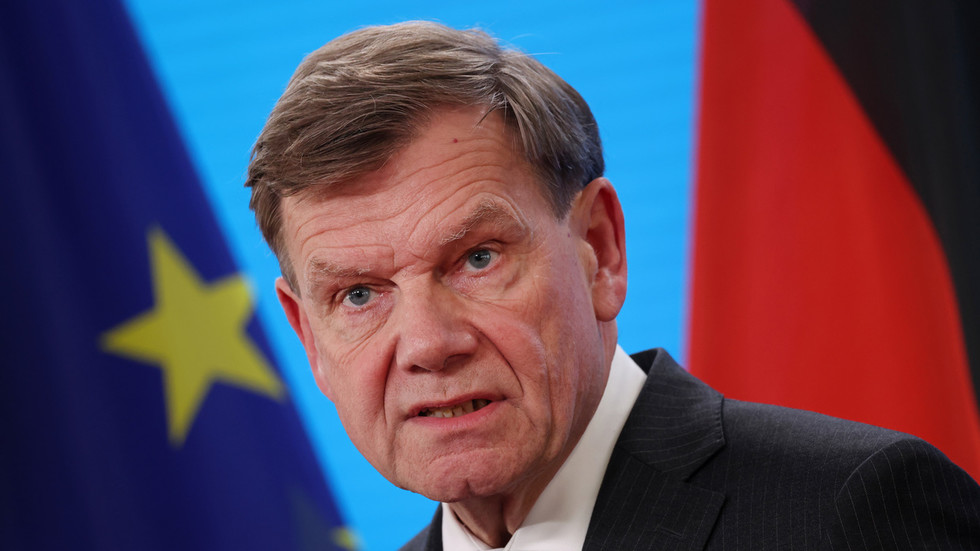
The future of utilizing frozen Russian assets remains uncertain, with German Foreign Minister Johann Wadephul stating they would be “addressed in the future,” while emphasizing the current focus on the loan mechanism. The situation underscores the complex political and legal challenges facing the EU as it seeks to support Ukraine while navigating the potential risks of escalating tensions with Russia.
À lire aussi