Hezbollah’s Retaliation for Khamenei Killing Drags Lebanon Back Into Conflict
Beirut, Lebanon – A recent escalation in hostilities between Israel and Hezbollah has plunged Lebanon back into a state of conflict, despite widespread reluctance for war within the country, including from within the Iran-backed militia itself. The renewed fighting follows the assassination of Iran’s Supreme Leader, Ali Khamenei, prompting Hezbollah to launch rockets and drones towards a missile facility in northern Israel, claiming the attack was in “retaliation.”
The flare-up has sparked frustration and anger amongst ordinary Lebanese citizens, many of whom remember the devastating 13-month conflict that officially ended in late 2024. “Nobody wants this, but it’s happening,” one Lebanese businesswoman told Sky News, echoing a sentiment felt across the country.
While Hezbollah supporters mourned Khamenei, a revered religious figure who inspired deep devotion, the decision to strike Israel has been met with internal dissent. Members of the Lebanese government, including Prime Minister Nawaf Salam, have publicly condemned the attack as a violation of cabinet decisions, calling for a ban on Hezbollah’s military activities and a reduction of its political influence.
The current escalation comes despite a formal ceasefire signed at the end of 2024. Since then, Israel has continued military operations within Lebanon, including airstrikes and ground incursions, on a near-daily basis, and maintains a presence at several strategic hilltop sites in southern Lebanon.
Israeli officials, including Lt. Gen. Eyal Zamir, have accused Hezbollah of “reopening” the war, but the reality, according to sources on the ground, is that the conflict never truly ceased.
Hezbollah justified its recent actions by stating that Israel “could not continue its aggression… without receiving a deterrent response.” However, analysts point to a deeper weakness within the organization, citing infiltration by Israeli intelligence and the assassination of senior leaders during the previous conflict.
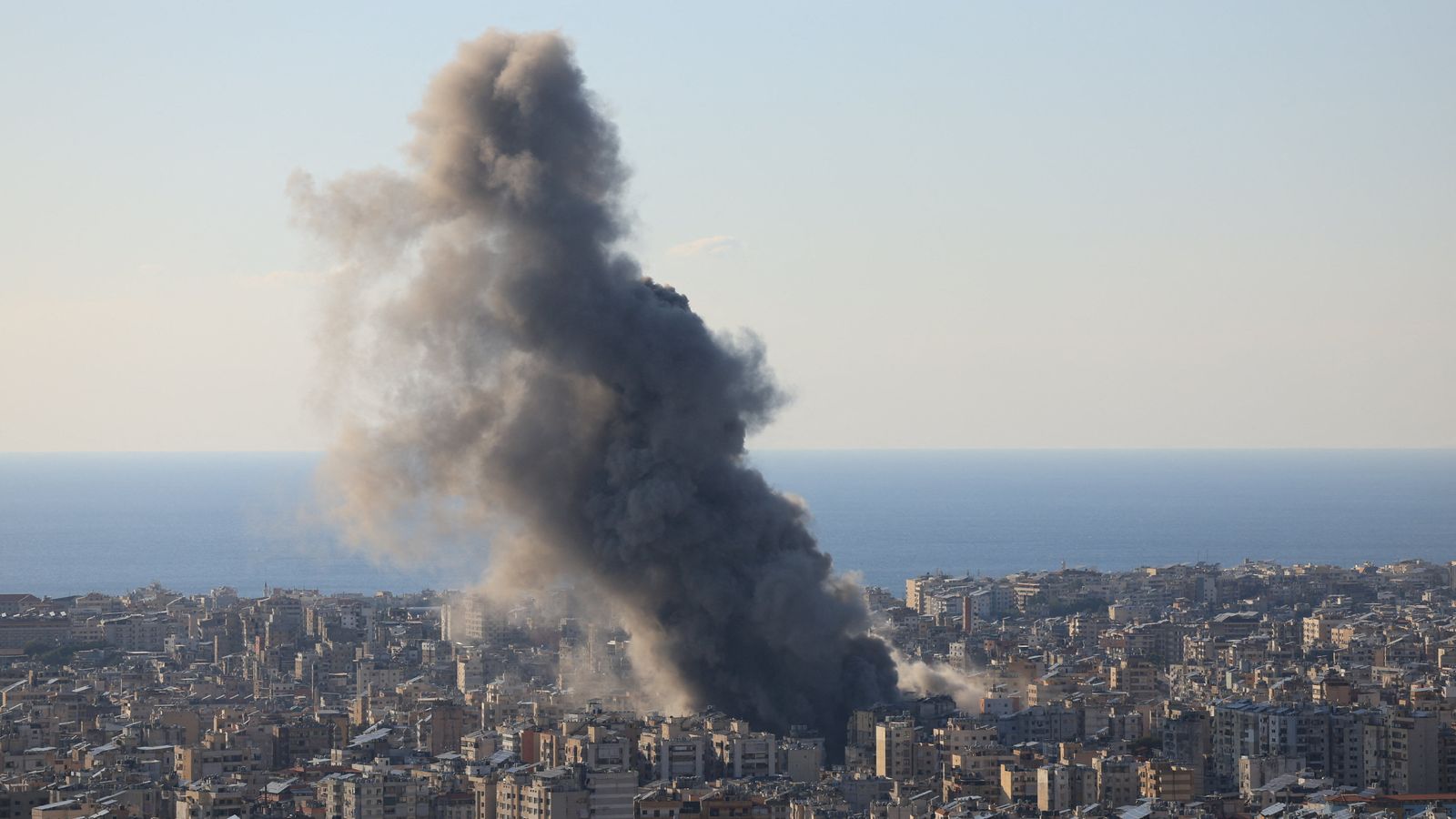
The situation remains volatile, with Israel responding to Hezbollah’s attack by striking targets in Beirut’s Dahieh section and the Bekaa Valley, while also ordering the evacuation of residents from 55 towns and villages. The renewed conflict raises concerns about regional stability and the potential for further escalation.
À lire aussi