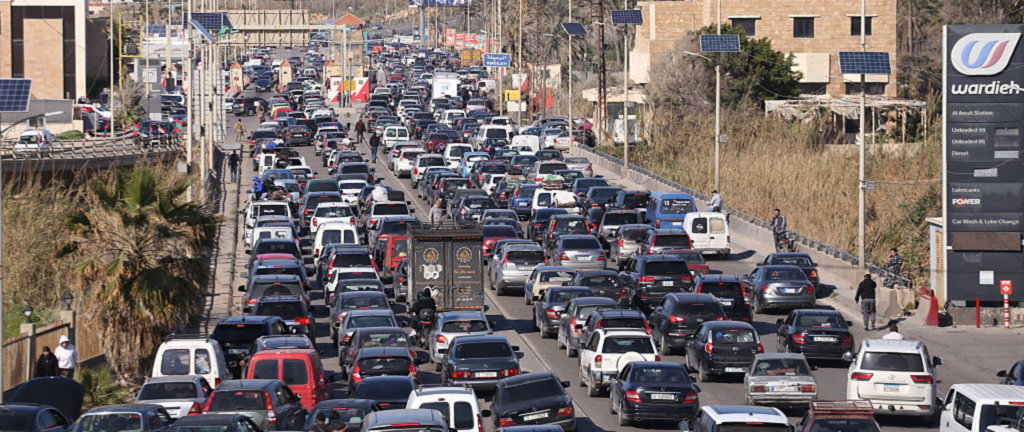
Lebanon Faces Humanitarian Crisis as Israeli Evacuation Orders Displace Hundreds of Thousands
BEIRUT, Lebanon (AP) — Hundreds of thousands of Lebanese civilians have been displaced in recent days following sweeping evacuation orders issued by the Israeli military, prompting fears of a deepening humanitarian crisis. The orders, affecting over 100 villages and towns in southern and eastern Lebanon, as well as the entirety of Beirut’s southern suburbs, have ignited panic and terror amongst the population, already struggling with multiple ongoing crises.
The escalating situation follows a recent surge in cross-border hostilities between Hezbollah and Israel, triggered by the killing of Iranian Supreme Leader Ali Khamenei following a US-Israeli attack on Iran on March 2nd. This latest conflict builds upon existing tensions stemming from the outbreak of hostilities between Israel and Hamas in the Gaza Strip last October.
Amnesty International has condemned the breadth of the evacuation orders, stating they do not constitute effective guarantees of protection. “The sweeping evacuation orders have sown panic and terror, displaced hundreds of thousands of people and fuelled yet another humanitarian catastrophe for a population already exhausted and reeling from multiple crises,” said Kristine Beckerle, Deputy Regional Director for the Middle East and North Africa at Amnesty International.
The organization further criticized the lack of specific information provided with the warnings, leaving civilians unsure of potential strike locations or safe evacuation routes. Many, including the elderly, children, and people with disabilities, are unable to evacuate or lack safe destinations.
As of March 6th, Lebanon’s Public Health Emergency Operations Centre reports 217 people have been killed and 798 injured since fighting escalated on March 2nd. Over 110,000 displaced individuals are currently sheltering in collective facilities, according to the same source. The Norwegian Refugee Council estimates over 300,000 people have been displaced across the country in less than 100 hours.
Amnesty International also expressed concern over repeated Israeli airstrikes carried out in the 24 hours following the evacuation order for Beirut’s southern suburbs, often without prior warning. The organization highlighted previous documentation of unlawful attacks on civilians and civilian objects, the use of white phosphorus, and extensive destruction of civilian property in border villages, even during ceasefire periods.
“Issuing mass evacuation orders does not grant the Israeli military the right to treat these areas as open-fire zones,” Beckerle emphasized. “Israel remains obligated under international humanitarian law to protect civilians and minimize harm.”
The organization raised concerns that the broad evacuation orders may be intended to forcibly displace civilians, a practice prohibited under international law. Amnesty International also pointed to a pattern of impunity following previous rounds of fighting, which it believes has emboldened recurring violations of international law.
The current situation underscores the urgent need for all parties to uphold their obligations under international humanitarian law, protect civilians, and refrain from unlawful attacks.
À ne pas manquer