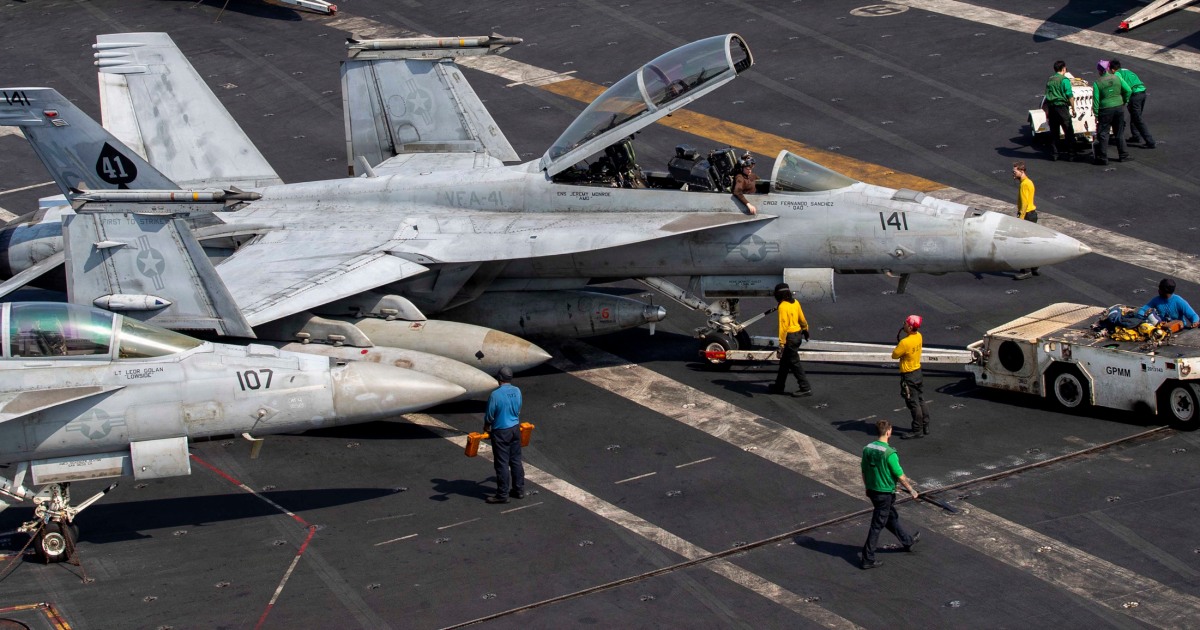
War in Iran Sparks Criticism of Trump, Raises Fears of Wider Conflict
WASHINGTON – The war in Iran is increasingly becoming a political liability for President Donald Trump, drawing criticism from both international allies and his own supporters as the conflict threatens to destabilize the region and impact global energy markets. The situation is prompting difficult decisions for Gulf state allies and raising questions about the administration’s rationale for military intervention.
The conflict began with escalating tensions following a series of incidents in the Persian Gulf, culminating in U.S. strikes against Iranian military targets. While the Trump administration initially framed the war as a narrowly defined mission to dismantle Iran’s ballistic missile, naval, and drone programs, the objectives have appeared fluid, leading to further scrutiny.
“That was my bad,” said Amanda Robbins, a three-time Trump voter from Pennsylvania, expressing regret over her support for the president due to rising gas prices linked to the war. Her sentiment reflects a broader trend: a recent NBC News poll shows 54% of voters disapprove of Trump’s handling of the conflict.
The economic fallout is a major concern. Gulf state allies are anxious about the potential for a prolonged conflict and the possibility of the U.S. leaving a hard-line regime in power, NBC News reported. The war has already disrupted shipping lanes, particularly through the Strait of Hormuz, a critical waterway for global oil transport.
“So we are in a problematic spot, where putting troops on the ground might be necessary to ensure access through Hormuz, which is far more dangerous for us,” explained former Pentagon advisor Costa, highlighting the strategic importance of the strait and the potential need for a ground operation.
The possibility of a ground operation is being actively considered, with U.S. Central Command reportedly having existing plans for various scenarios. These include securing Iranian oil facilities on Kharg Island – which accounts for 90% of Iran’s oil production – to cripple the regime’s economy and create leverage for negotiations. Another, more perilous option involves attempting to locate and secure Iran’s highly enriched uranium stockpile, currently estimated at 440 kilograms, with roughly half located in Isfahan.
Adding to the internal dissent, Joe Kent, Trump’s former director of the National Counterterrorism Center, resigned in protest, arguing that the war was launched without sufficient justification of an “imminent threat.” Even within the administration, questions are being raised about the rationale for the conflict. Director of National Intelligence Tulsi Gabbard declined to confirm during congressional testimony that Iran’s nuclear program posed an immediate danger.
Despite U.S. strikes targeting over 120 Iranian ships, the Iranian Navy and the Islamic Revolutionary Guard Corps maintain a substantial “mosquito fleet” of over 1,000 fast boats, posing a continued threat to shipping. The situation remains volatile, with the potential for further escalation and a widening of the conflict.
Sur le même sujet