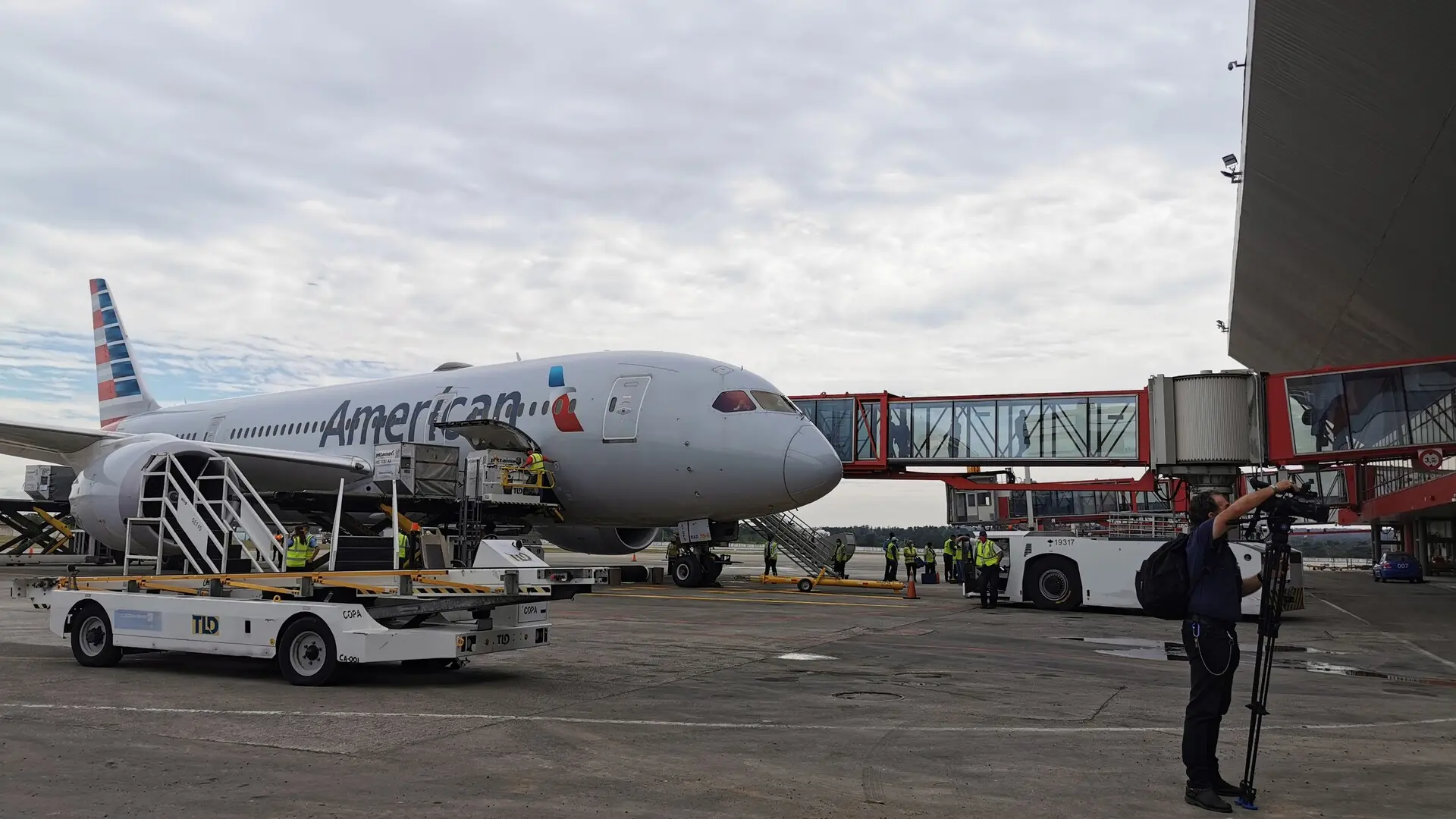
Cuba Extends Jet Fuel Shortage Notice as U.S. Pressure Mounts, Tourism Suffers
HAVANA – Cuban authorities have extended a notice advising pilots of a jet fuel shortage at all Cuban airports until April 10, a situation stemming from what they describe as a U.S. economic blockade. The initial notice, issued February 10, has now been prolonged for another month, impacting international travel to the island nation.
The official notice to air missions (NOTAM) specifies a deficit of Jet A-1 fuel at all international airports in Cuba, including José Martí in Havana, Juan Gualberto Gómez in Varadero, and others across the country. The message, codified for the U.S. Federal Aviation Administration’s database, simply states: “JET A1 FUEL NOT AVBL.”
The fuel shortage is a direct consequence of escalating pressure from the United States. In late January, President Donald Trump signed an executive order threatening tariffs on countries supplying oil to Cuba, citing national security concerns. This followed the cessation of Venezuelan oil shipments to Cuba after a change in leadership in Venezuela. Trump has called on Havana to negotiate, but the Cuban government maintains its openness to dialogue while denying current negotiations are underway.
The crisis is already impacting airlines. Canadian and Russian carriers have temporarily suspended service to Cuba, while Spanish, Mexican, and Panamanian airlines have implemented technical stops or reduced flight frequencies.
Cuba relies heavily on imported fuel, producing only about a third of its energy needs. Venezuela previously supplied around 30% of Cuba’s fuel, with smaller contributions from Mexico and Russia. The tourism sector, a key economic driver for Cuba, is particularly vulnerable, especially given that Canada and Russia are two of its largest sources of international visitors.
Economic Reforms Amidst Crisis
Amidst the fuel crisis, the Cuban government has moved to allow the creation of mixed-capital companies – partnerships between state-owned enterprises and Cuban private businesses. These new entities will have “autonomy” and the ability to directly import and export.
Decree-Law 114, published this week, establishes the “Sociedad de Responsabilidad Limitada mixta” (mixed limited liability company). The law requires these companies to be self-financing and profitable, operating within the country’s existing foreign exchange controls. The Ministry of Economy and Planning has the authority to approve or deny the creation of these companies within ten days.
The legislation permits a wide range of lawful activities, excluding health and education services, and activities related to the armed forces. Recently, the government also authorized the private sector to open assisted living facilities for the elderly and people with disabilities, requiring compliance with public health standards.
Economists view these reforms as a necessary step following the 2021 decree that allowed for the creation of private small and medium-sized enterprises (SMEs), and anticipated the possibility of state-private partnerships.
À lire aussi