Iran Vows to Continue Fighting, Dismisses Trump’s Claims of Imminent End to Conflict
TEHRAN, Iran – Iranian officials on Tuesday signaled their determination to continue fighting, rejecting U.S. President Donald Trump’s assertion that the conflict would soon be over. The escalating tensions come as Tehran launches new attacks against U.S.-allied Gulf nations and as concerns mount over the vital Strait of Hormuz.
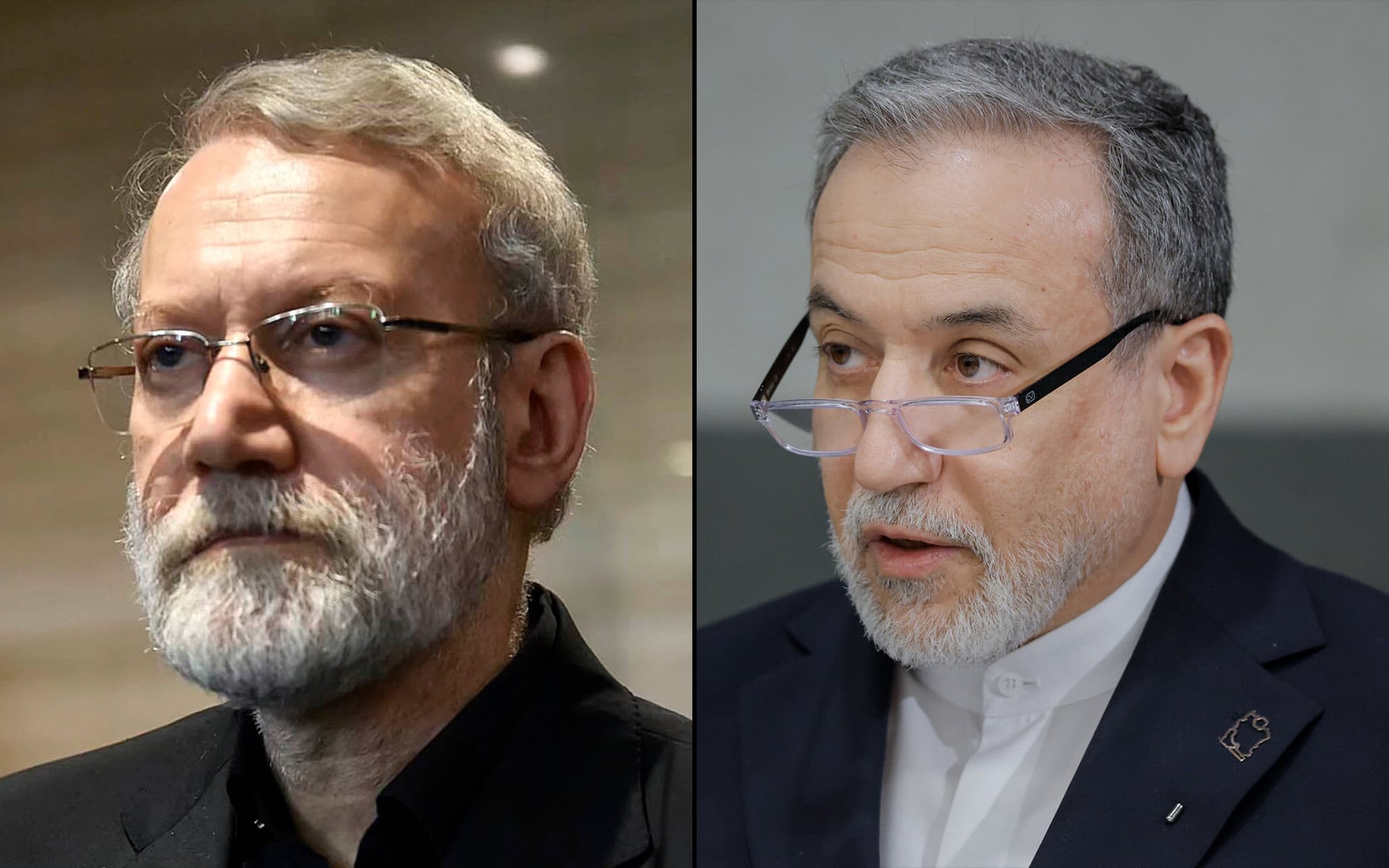
Foreign Minister Abbas Araghchi stated Tuesday that Iran is “prepared…to continue attacking them with our missiles as long as needed and as long as it takes,” according to reports. He also ruled out any possibility of negotiations with Washington, citing a “very bitter experience of talking with Americans.”
Security chief Ali Larijani directly challenged Trump, dismissing his threats as “empty” and warning, “Even those greater than you could not eliminate the Iranian nation.” In a post on X, Larijani added a stark warning to Trump himself: “Watch out for yourself — lest you be eliminated.”
The firm stance from Iranian officials followed Trump’s Monday claim that the conflict was nearing a resolution. He had told reporters that the campaign would be a “short-term excursion” and threatened a devastating response should Iran disrupt oil supplies. “We will hit them so hard that it will not be possible for them or anybody else helping them to ever recover that section of the world, if they do anything,” Trump said.
However, Iran’s Islamic Revolutionary Guard Corps responded by stating they would “determine the end of the war” and reiterated their threat to block oil shipments through the Strait of Hormuz, a critical waterway for global energy supplies. Attacks near the strait have already resulted in the deaths of at least seven sailors, according to the International Maritime Organization.
The situation has already impacted global markets. While Trump’s comments briefly reversed stock market declines and oil price surges, Saudi Aramco CEO Amin Nasser reported that tankers are being rerouted to avoid the Strait of Hormuz, and the East-West pipeline is being brought to full capacity. Nasser warned that prolonged disruption could have a “serious impact on the global economy” and drive up fuel costs.
Iranian parliament speaker Mohammad Baqer Qalibaf further emphasized Tehran’s resolve, stating they are “absolutely not looking for a ceasefire.” His Israeli counterpart, Amir Ohana, responded by saying no ceasefire offer was on the table, stating bluntly, “The only thing proposed to you was unconditional surrender.”
The current conflict follows a previous period of war between Israel and Iran in June 2025, which briefly involved the United States in strikes against Iranian nuclear sites, occurring after a round of negotiations with Washington. This history, according to Araghchi, reinforces Iran’s reluctance to engage in further talks with the U.S.
Sur le même sujet