Uganda Immigration Shakeup Raises Concerns Over Political Influence
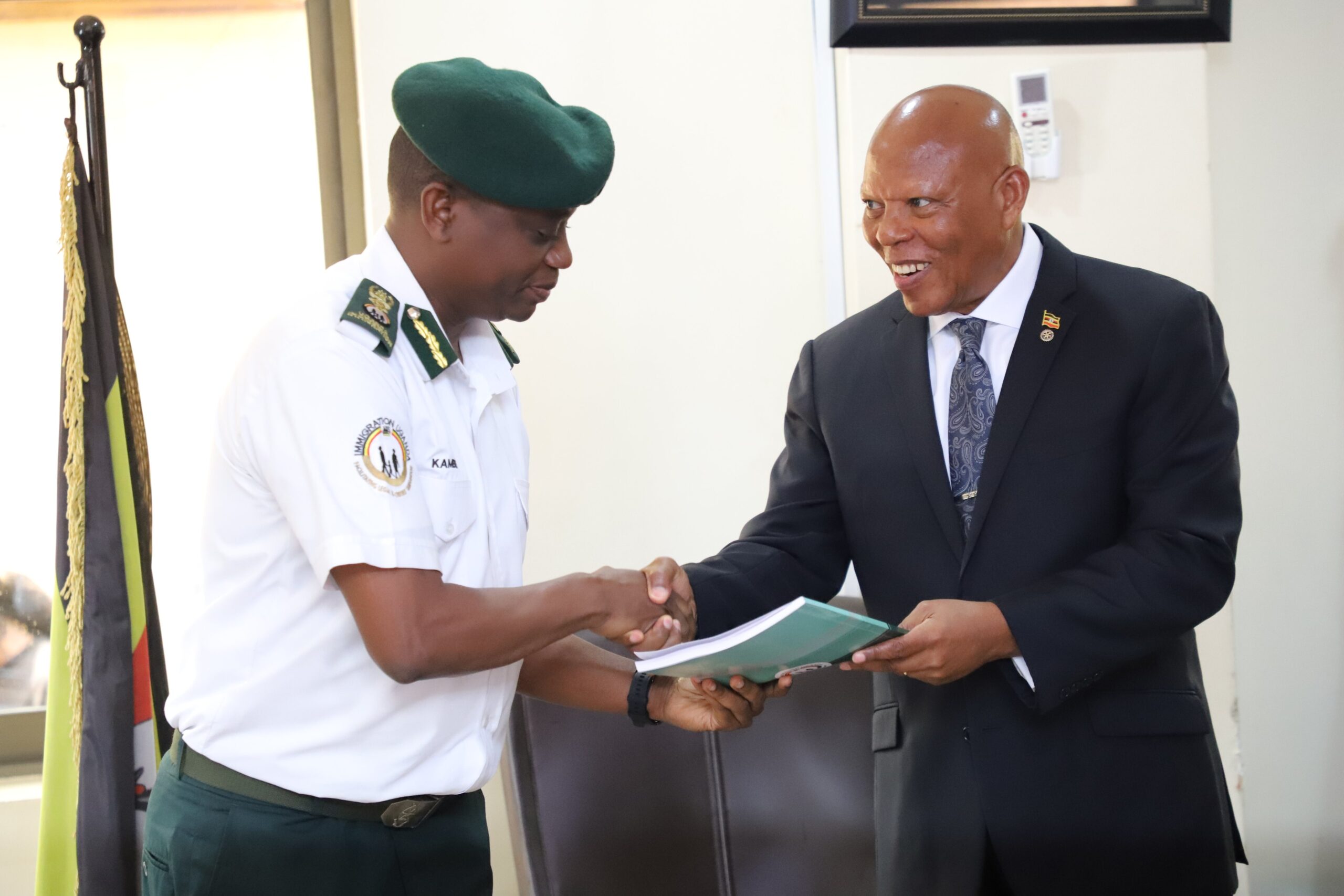
KAMPALA, Uganda (AP) – A recent leadership overhaul at Uganda’s Directorate of Citizenship and Immigration Control (DCIC) has sparked debate over potential political interference and its impact on the East African nation’s immigration system. The changes, announced on March 5, 2026, saw several key officials replaced with interim appointees, presided over by Permanent Secretary of the Ministry of Internal Affairs, Lt. Gen. Joseph Musanyufu.
While government officials maintain the transitions are part of routine administrative procedures following the completion of tours of duty for officers seconded to the directorate in 2018, critics allege the shakeup may be linked to concerns regarding the issuance of national identification documents, particularly to individuals of Rwandan descent.
Maj. Gen. Apollo Kasiita-Gowa was replaced as Chief of Citizenship and Immigration Control by Col. Geoffrey Kambere in an acting capacity. Brig. Johnson Namanya handed over as Commissioner for Citizenship and Passports Management to Assistant Commissioner Murari Moses, and Assistant Commissioner Marcelino Bwesigye now leads as Acting Commissioner for Borders and Foreign Nationals Management.
The outgoing leadership is credited with significant improvements to Uganda’s immigration processes. Reforms implemented in recent years streamlined passport applications and visa processing, reducing wait times and enhancing service delivery – changes widely praised by the public on social media platforms. Users highlighted the clearer online systems and reduced queues as key benefits.
However, the timing of the changes has raised eyebrows, particularly following remarks made in February 2026 by Chief of Defence Forces, Gen. Muhoozi Kainerugaba, expressing his intention to remove officers he accused of hindering Ugandan-Banyarwanda access to national identification. This statement fueled speculation about military influence over immigration administration.
The situation unfolds against a backdrop of historically complex relations between Uganda and Rwanda. Despite recent improvements in diplomatic ties, underlying tensions remain stemming from past disputes involving border closures, security accusations, and deportation claims.
Observers emphasize the importance of maintaining professionalism and transparency within Uganda’s immigration institutions to safeguard public confidence and ensure equitable treatment for all citizens. Human rights advocates and governance analysts have called for clear communication from the government regarding the rationale behind the leadership changes.
The DCIC overhaul comes as Uganda navigates a sensitive regional environment. The new interim leadership will be closely watched to determine whether the recent reforms will be sustained and whether the directorate can continue to improve service delivery for Ugandans. Maintaining progress will be crucial in balancing national security interests with administrative independence.
Sur le même sujet