Iran Braces for Potential Civil War as Bombing Campaign Intensifies
Manchester, United Kingdom – A growing sense of dread hangs over the future of Iran, with analysts warning that a descent into civil war is increasingly inevitable following a recent bombing campaign by the United States and Israel. Demonstrations, like one held in Manchester this week, highlight the fractured opposition and the desperate search for an alternative to the current theocratic regime.
The streets of Manchester were filled with Iranian flags alongside those of the US and Israel, and portraits of Reza Pahlavi, the son of the king overthrown in 1979, signaling a surge in support for a return to monarchy. Nazanin, an Iranian woman born and raised in England, expressed a sentiment echoed by many: “The regime will not last much longer and Reza Pahlavi is the only one who can steer a transition and keep the country united.” She, like others fearing retribution against family still in Iran, requested her full name not be used.
The current crisis follows years of mounting discontent. Human Rights Watch reported in February a “tsunami of arbitrary arrests and enforced disappearances” following protests in January, with estimates of deaths ranging from 3,000 according to government sources to “tens of thousands” according to internal reports from doctors and journalists. Prior to the recent escalation, protests in 2017 and 2019 focused on economic hardship, while the 2022-2023 “Woman, Life, Freedom” movement, sparked by the death of a young Kurdish woman in police custody for not wearing a veil, shook the nation for months.
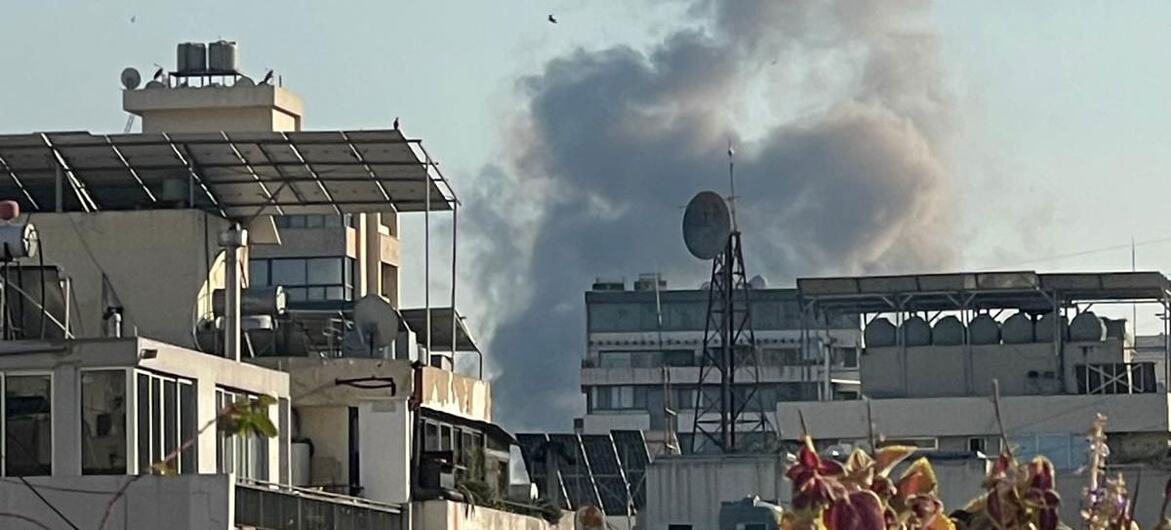
The US-Israeli bombing campaign, launched February 28th, has already claimed over 1,000 lives, including Supreme Leader Ali Khamenei. The succession of his son to the role underscores the regime’s determination to cling to power. Military targets and critical infrastructure supporting Iran’s 90 million citizens have been struck.
However, the path forward remains deeply uncertain. The Iranian opposition is fragmented, divided between monarchists, republicans, federalists, and reformists, struggling to present a united front. While Pahlavi has gained prominence, particularly with backing from Israel, some question his ability to garner widespread support within Iran.
“There are several self-proclaimed leaders in exile, but they have no real roots in the country,” noted Mehrab Sarjov, an analyst originally from Iran’s Baluch southeast. He also pointed to the People’s Mojahedin Organization of Iran (MEK), a group with a history of both opposition and involvement in the 1979 revolution, but one that appears to have been sidelined by Washington and Tel Aviv.
Adding to the complexity is Iran’s diverse ethnic makeup, including Azerbaijani Turks, Kurds, Baloch, and Arabs. Sarjov highlighted the potential for conflict along ethnic lines, with calls for decentralization and a federal model gaining traction, a prospect resisted by both the current regime and many opposition leaders.
“The regime will die killing; then we will face a Libyan-style scenario in which everyone tries to extend as much control as possible over the territory. Civil war will be inevitable,” Sarjov warned.
The current strategy of the US and Israel appears focused on toppling the regime through military action, a tactic that has historically proven ineffective. Reports suggest the CIA may be considering arming Kurdish guerrillas for a potential ground offensive, while the Coalition of Political Forces of Iranian Kurdistan, representing five clandestine political parties, has expressed willingness to cooperate with other actors.
Dünya Başol, a researcher specializing in Iranian Kurds, expressed pessimism about the prospects for a peaceful resolution. He cautioned that ethnic tensions, fueled by nationalist sentiments and historical disputes, could easily escalate into widespread conflict, mirroring the aftermath of the 1979 revolution.
“If the regime collapses, only a strong government in Tehran will be able to avoid chaos. For now, nothing suggests that either Pahlavi or any of the other options will be capable of achieving that,” Başol said.