Amazon Tribe’s Future Brightens with Unexpected Birth
VILHENA, Brazil (AP) – For years, the Akuntsu people of the Amazon rainforest teetered on the brink of oblivion. Reduced to just three women – Pugapia, Aiga, and Babawru – following decades of violent clashes with ranchers and developers, their future looked bleak. But a December birth has ignited a spark of hope for the survival of this Indigenous group and underscored the critical importance of protecting the Amazon, a vital regulator of the global climate.
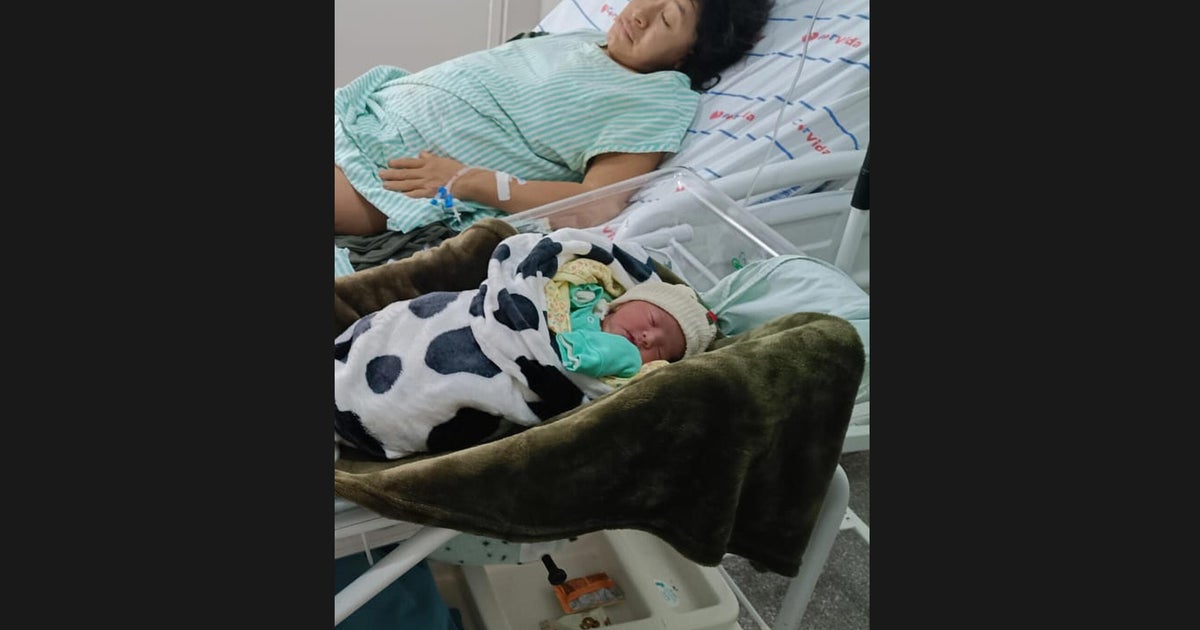
Babawru, in her 40s, gave birth to a boy, named Akyp, offering a lifeline to a culture facing extinction. The arrival of Akyp is not merely a personal triumph for the Akuntsu, but a potent symbol of resilience, according to Joenia Wapichana, president of Brazil’s Indigenous protection agency, Funai. “He represents how recognition, protection and the management of this land are extremely necessary,” Wapichana said.
The Akuntsu’s story is a tragic illustration of the devastating impact of Brazil’s push to develop the Amazon during its military regime in the 1970s. A government-backed program encouraged migration to the region, often at the expense of Indigenous communities. Ranchers, seeking to claim land for agriculture, violently attacked the Akuntsu, decimating their population. Funai first made contact with the remaining Akuntsu in 1995, finding just seven survivors, some still bearing gunshot wounds. The last Akuntsu man died in 2017, leaving the future of the tribe solely in the hands of the three women.
Protecting Indigenous territories is increasingly recognized as a crucial strategy in curbing deforestation. A 2022 analysis by MapBiomas, a network tracking land use, revealed that Indigenous territories in Brazil have lost only 1% of native vegetation over three decades, compared to 20% on private land nationwide. In Rondonia state, where the Akuntsu reside, approximately 40% of the native forest has been cleared, with the remaining untouched areas largely confined to conservation and Indigenous lands. The Akuntsu’s land stands out in satellite imagery as a small pocket of forest surrounded by cattle pasture and agricultural fields.
The women, who have largely chosen to remain isolated from the outside world, had resigned themselves to the possibility of their culture’s end. They had even decided against having children, believing the world was too unstable and unsafe to raise a new generation. However, Babawru became pregnant by a man from the neighboring Kanoe people, with whom the Akuntsu have cautiously begun to build a relationship.
The pregnancy came as a shock to Babawru, who, according to linguist Carolina Aragon, who has spent years documenting the Akuntsu language and working with Funai, initially questioned how it was possible. Aragon provided remote support during the pregnancy and was present for an ultrasound confirming the birth.
The Akuntsu women rely on Kanoe men for traditionally “masculine” tasks like hunting and farming. The two groups are also sharing spiritual knowledge, with the current Kanoe spiritual leader having learned from the late Akuntsu patriarch.
The birth of Akyp underscores the urgency of protecting not only the Akuntsu people but also the uncontacted Indigenous groups facing similar threats. A recent report by Survival International highlighted that nearly 65% of the 196 uncontacted Indigenous groups it tracks face threats from logging, mining, and agribusiness, warning that half could be wiped out within a decade without intervention.
Funai’s efforts to secure territorial protection for the Akuntsu and foster ties with the Kanoe have been instrumental in creating a safe environment for Babawru to bring new life into the world. The agency is also providing spiritual support, recognizing the deep emotional connection the Akuntsu have with the forest and its wildlife.
“What kind of relationship will this boy have with his own territory?” Aragon pondered. “I hope it will be the best possible, because he has everything he needs there.”